
Space Requirements

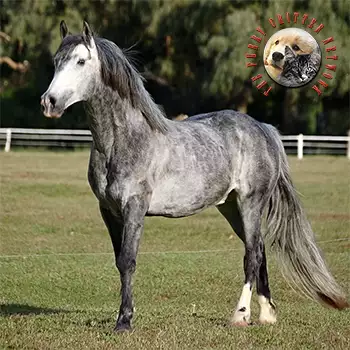
The Paso Fino is a moderately sized horse, typically standing between 13.2 and 15.2 hands, but its spirited temperament and active nature mean it benefits from generous living space. A stall measuring 12 by 12 feet is the standard minimum for a horse of this size, though a 12 by 14 stall is preferable for horses that spend extended time indoors during weather events or recovery periods.

Turnout space is where the Paso Fino truly thrives. These horses are social, curious, and naturally active, and confining them to small paddocks for extended periods often leads to restlessness and unwanted behaviors. A minimum of one to two acres per horse is a reasonable starting point for regular turnout. Larger acreage allows for better pasture rotation, which benefits both the land and the horse's foraging behavior.

The layout of the turnout area matters as much as its size. Long, narrow paddocks encourage movement and mimic the natural roaming patterns that keep joints and hooves healthy. Square paddocks tend to promote standing in one area. If space is limited, designing the turnout with the water source at one end and a shelter or hay station at the other encourages the horse to move throughout the day.

For owners in boarding situations where space is dictated by the facility, supplementing limited turnout with regular exercise, hand-walking, or arena time helps offset the restrictions. The key principle is that the Paso Fino is not a horse suited to standing in a stall for 20 or more hours a day. Movement is foundational to its physical and behavioral health.

Stalls & Barn Design

Stall construction for the Paso Fino should prioritize ventilation, safety, and ease of cleaning. The breed originated in tropical climates and can be sensitive to the respiratory irritants that accumulate in poorly ventilated barns. High ceilings, open eaves, ridge vents, and strategically placed windows or fans all contribute to healthy airflow. A minimum ceiling height of 10 feet is standard; 12 feet is better for air quality and reduces the risk of head injuries in taller individuals.

Wall materials range from hardwood planking to steel-lined panels with rubber bumpers. Whatever the material, the interior surfaces should be smooth, free of protruding hardware, and able to withstand kicking without splintering. Paso Finos are generally not aggressive stall kickers, but any horse may strike a wall when startled, and wall integrity is a safety fundamental.

Flooring options include compacted clay, rubber mats over concrete, and interlocking rubber pavers. Concrete alone is too hard on joints and too slippery when wet, so a rubber overlay is essential if concrete is the base. Compacted clay with proper drainage offers a forgiving surface but requires more frequent leveling and maintenance. Rubber mats reduce bedding costs, provide cushion, and are easy to sanitize.

Stall doors should be at least four feet wide to allow the horse to pass through comfortably without banging hips or shoulders. Sliding doors are generally safer than swinging doors in aisle configurations, as they eliminate the risk of a door catching a horse or handler. Dutch doors — split horizontally — allow the top half to remain open for socialization and ventilation while keeping the horse contained.

Run-In Sheds & Field Shelters

For Paso Finos kept primarily on pasture, a well-designed run-in shed is often more appropriate than a traditional stall. Run-in shelters give horses the freedom to seek cover from rain, wind, and sun on their own terms, which aligns well with the breed's independent yet social nature. The open-front design allows multiple horses to enter and exit freely, reducing the territorial conflicts that can arise with enclosed spaces.

Sizing for a run-in shed depends on the number of horses sharing it. A general guideline is 100 to 150 square feet per horse, with a minimum depth of 12 feet to provide meaningful weather protection. The opening should face away from prevailing winds and storms. In regions with wind patterns that shift seasonally, an L-shaped or three-sided design with an offset opening provides more versatile protection.

Roofing material should be durable and reflect heat in warm climates. Metal roofing with a reflective coating is popular for its longevity and cost-effectiveness. The roof pitch should be steep enough to shed rain and snow cleanly without pooling. Gutters and downspouts directed away from the shelter entrance prevent mud accumulation at the doorway, which is one of the most common maintenance headaches with field shelters.

The floor of a run-in shed benefits from a gravel base topped with compacted stone dust or rubber mats. Bare soil floors turn to mud quickly in wet weather and become breeding grounds for thrush-causing bacteria. Proper grading around the shelter to divert runoff is critical. A slight slope away from the interior keeps the floor dry and reduces the frequency of bedding replacement.

Fencing & Containment

Safe, visible fencing is non-negotiable for any horse property, and the Paso Fino's alert, sometimes reactive temperament makes fence choice particularly important. Board fencing — three or four horizontal rails on wooden or composite posts — remains the gold standard for horse properties. It is highly visible, relatively forgiving on impact, and can be maintained in sections without replacing entire runs.

Mesh wire fencing designed specifically for horses is a cost-effective alternative for larger acreages. The key distinction is that horse-safe mesh uses a tight, small-opening pattern that prevents hooves from passing through. Standard agricultural field fencing with wide rectangular openings is dangerous for horses and should be avoided entirely. If wire fencing is used, a top rail of wood or vinyl improves visibility and defines the fence line.

Electric fencing works well as a secondary barrier or for rotational grazing setups. Single-strand or tape-style electric fencing is not sufficient as a sole perimeter fence for Paso Finos, but it is effective as an interior divider or as a hot wire offset inside a primary fence to keep horses from leaning on or chewing the main structure. Solar-powered chargers make electric fencing practical even in remote pasture areas without grid power.

Fence height should be a minimum of four and a half to five feet. While the Paso Fino is not typically a fence jumper, startled horses or those separated from herd mates can attempt to go over low barriers. Corner posts and gate posts should be set deep and braced, as these are the high-stress points where fence lines meet and horses tend to congregate.

Climate Considerations

The Paso Fino's origins in the Caribbean and Latin America mean the breed is naturally adapted to warm, humid climates. Horses from tropical bloodlines may lack the dense winter coat that cold-climate breeds develop, making them more vulnerable to harsh winters. In northern regions, owners should be prepared with appropriate blankets, windbreaks, and potentially heated water systems to keep their Paso Finos comfortable through cold months.

Heat management is important even for a warm-weather breed. Paso Finos in hot southern climates still need shade, adequate water, and good ventilation in their housing. Barn fans, misting systems, and strategic tree planting around turnout areas all contribute to heat management. Stalls that trap heat in summer can push internal temperatures well above ambient levels, so airflow design should be a priority during construction or renovation.

Mud management is a universal challenge regardless of climate zone. Chronic exposure to wet, muddy footing is one of the leading causes of thrush, scratches, and other hoof and skin conditions. High-traffic areas around gates, water troughs, and shelter entrances benefit from geotextile fabric overlaid with gravel to create a stable, well-drained surface. These sacrifice areas prevent the entire pasture from being churned into mud during wet seasons.

Insect control intersects with housing design in meaningful ways. Screened stall openings, fly spray systems, and fans that create airflow too strong for insects to navigate all help reduce the fly and mosquito burden. Paso Finos can be particularly reactive to insect bites, and some develop hypersensitivity conditions that make robust insect management a welfare necessity rather than a convenience.

Multi-Horse Setups

Paso Finos are herd-oriented horses that generally do well in group housing arrangements, but introductions and space planning require thought. When adding a new Paso Fino to an existing group, a gradual introduction through shared fence lines — where horses can see and smell each other without direct contact — reduces the risk of injury during the establishment of social hierarchy.

Feeding stations in multi-horse turnouts should be spaced well apart and should exceed the number of horses by at least one. This prevents dominant individuals from guarding resources and ensures that lower-ranking horses can eat without stress. Hay placed in multiple locations across the field encourages natural movement and reduces conflict at feeding time.

Shared run-in shelters need multiple entry and exit points, or openings wide enough that a dominant horse cannot block access. A common mistake is building a shelter with a single narrow opening, which allows one horse to claim the entire structure. An open-front design spanning most of the shelter's width solves this problem. For groups with known aggressive dynamics, separate smaller shelters may be more practical than one large shared structure.

Water access in multi-horse environments should also be distributed. A single water trough in a corner invites guarding behavior. Two or more watering points, ideally with automatic refill capability, ensure that all horses can drink freely. Monitoring water consumption is harder in group settings, so owners should watch for signs of dehydration — reduced manure output, dry gums, skin tenting — particularly in horses lower in the social order.

Always consult a qualified professional before making any health-related decisions. This content is provided for informational reference only and should not replace professional guidance specific to your animal.