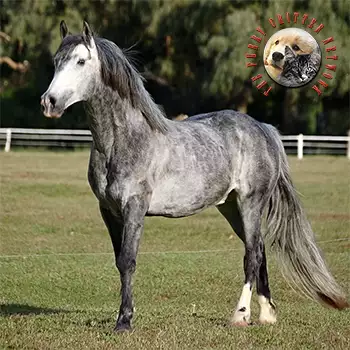

Nutritional Needs

The Paso Fino is a compact, naturally gaited breed with a metabolism that tends toward efficiency. Unlike larger sport horses that burn through calories at a rapid rate, the Paso Fino typically maintains condition on moderate feed volumes. This easy-keeping tendency means overfeeding is a more common problem than underfeeding, and owners should be deliberate about calorie management from the start.

A Paso Fino in light to moderate work generally does well on a forage-first diet. High-quality grass hay or pasture should form the foundation, accounting for roughly 1.5 to 2 percent of body weight per day. Horses in heavier work, such as show competition or sustained trail riding in hilly terrain, may need a modest increase in caloric density, but the baseline should always be built around forage rather than concentrate feeds.

Protein requirements for the Paso Fino align with most light riding breeds. Adult horses in maintenance or light work typically need feed with 8 to 10 percent crude protein, while those in regular training may benefit from 10 to 12 percent. Growing foals and lactating mares have higher demands, and their rations should be adjusted accordingly with veterinary guidance.

Mineral balance is worth close attention in this breed. Paso Finos originated in tropical climates where soil mineral profiles differ significantly from those found in much of North America. Horses kept in regions with low selenium, copper, or zinc in the soil may benefit from targeted mineral supplementation. A forage analysis is one of the most cost-effective investments an owner can make, as it reveals exactly what the hay provides and what needs to be added.

What to Look For in Feed

When selecting a commercial feed for a Paso Fino, the first thing to evaluate is whether a concentrate is even necessary. Many Paso Finos in light work thrive on quality forage and a ration balancer alone. Ration balancers deliver essential vitamins and minerals without the excess calories that come with traditional grain mixes, making them an ideal choice for easy keepers.

For horses that do need a concentrate, look for feeds with controlled starch and sugar levels. The Paso Fino's efficient metabolism can make it prone to weight gain and, in some cases, metabolic concerns when fed high-starch diets. Feeds based on beet pulp, soy hulls, or other fermentable fibers offer caloric energy without the glycemic spikes associated with corn or oat-heavy formulations.

Ingredient transparency matters. A quality feed will list specific ingredients rather than vague collective terms. Look for named fat sources, identifiable protein meals, and chelated or organic trace minerals, which tend to have better bioavailability than their inorganic counterparts. The guaranteed analysis panel should clearly state crude protein, fat, fiber, and major mineral ratios.

Consider the feed format as well. Pelleted feeds reduce sorting behavior and ensure each bite delivers a consistent nutrient profile. Textured feeds with visible grains can be palatable but allow picky eaters to pick through and leave behind key ingredients. For Paso Finos prone to bolting their feed, pellets or extruded feeds may also encourage slower consumption.

Forage Selection

Forage is the single most important component of any Paso Fino's diet, and choosing the right type has a direct impact on weight management, digestive health, and overall well-being. Grass hays such as timothy, orchard grass, and Bermuda are generally the best fit for this breed. They provide adequate fiber and moderate calorie levels without the protein and caloric density of legume hays like alfalfa.

Alfalfa is not off-limits, but it should be used strategically. Blending a small percentage of alfalfa into the hay ration can improve palatability and bump up protein and calcium for horses that need it, such as lactating mares or hard-working show horses. Feeding straight alfalfa to a Paso Fino in light work, however, often leads to unwanted weight gain and can contribute to enterolith risk in some regions.

Hay quality varies enormously by cutting, region, and storage. Early-cut hay tends to be higher in sugar and protein, while later cuttings are often more stemmy with higher fiber content. For metabolically sensitive Paso Finos, having hay tested for non-structural carbohydrates is a smart move. Hay with NSC levels above 10 to 12 percent may need to be soaked before feeding to reduce sugar content.

Pasture management is equally important. Paso Finos on lush spring pasture can gain weight rapidly, and unlimited turnout on rich grass carries a real risk of laminitis. Grazing muzzles, strip grazing, or restricted turnout hours during peak sugar times — typically late morning through afternoon — are practical tools for managing intake without eliminating the behavioral and digestive benefits of grazing.

Wet Feed & Mash Options

Wet feeds and mashes serve a useful role in the Paso Fino's diet, particularly for hydration support, senior horses, and those recovering from illness. Soaked beet pulp is one of the most versatile wet feed options. It absorbs several times its weight in water, making it an effective vehicle for increasing fluid intake during hot weather or travel. It also adds fermentable fiber to the diet without excessive starch.

Commercial mash products designed for horses typically combine beet pulp, wheat bran, flaxseed, and assorted vitamins into a formula that softens quickly when mixed with warm water. These can be useful as an occasional meal replacement or as a carrier for medications and supplements. When choosing a mash product, check the sugar and starch content, as some formulations include molasses or grain byproducts that inflate the caloric load.

For older Paso Finos with dental issues, a complete soaked feed may become a dietary necessity. Senior feeds formulated for soaking are designed to deliver full nutrition in a soft, easily chewed format. These feeds should still be evaluated for starch and sugar levels, as aging horses can be particularly susceptible to metabolic imbalances.

Homemade mashes offer more control over ingredients. A simple combination of soaked beet pulp, a tablespoon of salt, and a splash of oil provides hydration and calories without unnecessary additives. Adding soaked hay cubes or chopped forage to the mash can help maintain fiber intake for horses that struggle with long-stem hay.

Treats & Supplements

Treats are a natural part of horse-human interaction, but for the easy-keeping Paso Fino, moderation is essential. Carrots and small apple pieces are classic, low-calorie options that most horses enjoy. Commercial horse treats vary widely in sugar content, so reading labels is important. Look for treats that rely on fiber-based ingredients rather than molasses and grain as primary components.

Joint supplements are among the most commonly used additions for Paso Finos, especially those in regular work. Glucosamine, chondroitin, and hyaluronic acid are the most widely available active ingredients in oral joint support products. The evidence base for oral joint supplements in horses is mixed, but many owners report subjective improvement in comfort and movement quality. Choosing products with research backing and transparent dosing is preferable to those making broad claims without supporting data.

Hoof supplements containing biotin, methionine, and zinc can benefit Paso Finos with slow hoof growth or brittle hoof walls. Biotin has the strongest research support among hoof supplement ingredients, with studies indicating that daily doses of 15 to 25 milligrams can improve hoof quality over several months of consistent use. Results are not immediate, so patience is required.

Electrolyte supplements are valuable during hot weather, heavy work, or travel. Horses lose significant sodium, chloride, and potassium through sweat, and the Paso Fino's energetic gait style can produce substantial sweat output during extended rides. A plain loose salt supplement offered free-choice covers baseline sodium needs, while a balanced electrolyte product is appropriate for horses sweating heavily during work or competition.

Foods to Avoid

Certain feeds and ingredients should be kept away from Paso Finos entirely. Feeds high in starch and sugar, including sweet feeds loaded with molasses, are a poor match for a breed prone to metabolic efficiency. Chronic overfeeding of high-glycemic concentrates can contribute to insulin dysregulation, obesity, and an elevated risk of laminitis.

Lawn clippings should never be fed to horses. They ferment rapidly, can cause severe colic or choke, and may contain herbicide or pesticide residues. Similarly, garden waste including plants from the nightshade family — tomatoes, potatoes, peppers — are toxic to horses and must be kept out of reach.

Common pasture and landscape plants pose additional risks. Red maple leaves, black walnut shavings, yew, oleander, and wild cherry are all well-documented equine toxins. Paso Fino owners should survey their pastures and fence lines regularly to identify and remove hazardous plants. Even small quantities of some of these plants can cause life-threatening reactions.

Feeding excessive amounts of bran as a standalone supplement is an outdated practice that can disrupt the calcium-to-phosphorus ratio in the diet. While bran mashes are a tradition in some barns, routine heavy bran feeding without balancing calcium intake can contribute to bone demineralization over time. If bran is used, it should be occasional and accompanied by adequate calcium.

Feeding Schedule

Horses are trickle feeders by nature, and the Paso Fino is no exception. The equine digestive system is designed for near-continuous forage intake, and long gaps between meals increase the risk of gastric ulcers and stereotypic behaviors such as cribbing or wood chewing. Dividing the daily hay ration into at least two feedings, ideally three or more, helps maintain gut health and keeps the horse mentally settled.

Slow feeder nets and hay bags are practical tools for extending the time a Paso Fino spends eating without increasing the total amount of forage provided. Small-hole nets force the horse to pull hay out in small tufts, mimicking natural grazing behavior and reducing waste. For easy keepers, this approach is especially valuable because it allows owners to limit total hay volume while still keeping the horse occupied and chewing for longer periods.

Concentrate meals, if needed, should be kept small and split across multiple feedings. The equine stomach is relatively small for the animal's body size, and large grain meals overwhelm its digestive capacity, pushing undigested starch into the hindgut where it disrupts microbial balance. For most Paso Finos, concentrate portions of one to two pounds per feeding are sufficient.

Water should be available at all times, and intake should be monitored particularly during seasonal transitions and travel. A Paso Fino in moderate work may drink 8 to 12 gallons per day, with significantly higher intake during hot weather. Automatic waterers are convenient but make it harder to track consumption, so periodic manual checks or supplemental bucket watering can help owners stay aware of changes in drinking habits.

Always consult a qualified professional before making any health-related decisions. This content is provided for informational reference only and should not replace professional guidance specific to your animal.