
Nutritional Needs

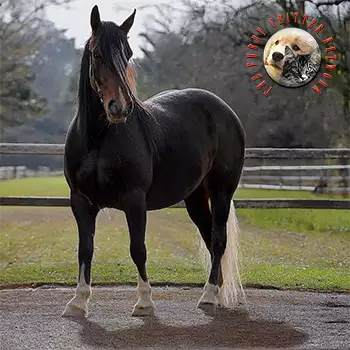
The Oldenburg is a large-framed warmblood originally developed in northern Germany for carriage work and later refined into one of the most successful sport horse breeds in the world. Adults typically stand between 16 and 17.2 hands and can weigh anywhere from 1,200 to 1,700 pounds, placing them firmly in the category of horses that require carefully managed caloric intake to maintain both condition and performance. Their metabolic demands shift substantially depending on whether they are in active competition training, light schooling, or turnout rest.

Because the Oldenburg is bred for athletic disciplines like dressage, show jumping, and eventing, its nutritional profile must support sustained muscular effort, joint health, and cardiovascular endurance. Protein requirements are moderate to high during periods of intense work, and the amino acid profile of the feed matters as much as the crude protein percentage. Lysine, methionine, and threonine are particularly important for muscle repair and topline development in sport horses working at upper levels.

Forage should form the foundation of the Oldenburg's diet, ideally comprising at least 1.5 to 2 percent of body weight per day in quality grass or mixed hay. Oldenburgs that maintain weight easily may do well on a forage-first program with minimal concentrates, while those in heavy work often need a carefully balanced grain ration to meet energy demands without triggering digestive upset. Owners should also pay close attention to the calcium-to-phosphorus ratio in the total diet, keeping it in the range of two-to-one to support skeletal integrity.

Hydration is another critical component of Oldenburg nutrition that is often underestimated. A horse of this size can drink ten to fifteen gallons of water per day under normal conditions, and significantly more in hot weather or during intense training. Electrolyte supplementation becomes important during summer months and competition seasons, particularly for horses that sweat heavily. Salt blocks or loose salt should always be available, and an electrolyte paste or powder can be added to feed or water as needed.

What to Look For

When selecting feed products for an Oldenburg, the guaranteed analysis panel on the bag is the most important place to start. Look for feeds that list a recognizable whole grain or processed grain product as the first ingredient rather than fillers like soybean hulls or excessive molasses. A quality sport horse feed should deliver somewhere between 12 and 14 percent crude protein and offer a fat content of at least 6 percent for sustained energy without the sugar spikes associated with high-starch formulations.

Fiber quality matters enormously for a breed this size. The digestive tract of the horse is designed to process forage continuously, and any concentrate feed that disrupts that process can lead to colic, ulcers, or hindgut acidosis. Beet pulp-based feeds and those incorporating fermentable fibers tend to be gentler on the gut than straight cereal grain mixes. For Oldenburgs prone to excitability, a high-fat, low-starch formula can provide the calories needed for performance without the behavioral side effects.

Look for feeds that include chelated or organic trace minerals rather than inorganic oxide forms. Chelated minerals like zinc methionine and copper lysine are more bioavailable, meaning the horse absorbs and utilizes a greater proportion of what it consumes. This distinction becomes especially relevant for hoof quality, coat condition, and immune function. Oldenburgs with dark coats may show copper deficiency as a reddish tinge in the hair, which often responds well to improved mineral supplementation.

Avoid feeds that rely heavily on molasses or corn syrup as palatability enhancers. While horses certainly find sweet feeds appealing, the insulin response triggered by high sugar content can contribute to metabolic issues over time, particularly in horses that are easy keepers or carry more weight than their frame requires. A clean ingredient list with transparent sourcing is always preferable to a flashy label.

Recommended Dry Feed

Pelleted and extruded feeds designed for sport horses are generally the best fit for Oldenburgs in regular work. Pelleted feeds offer consistency from bite to bite, eliminating the sorting behavior that horses sometimes exhibit with textured mixes. Extruded feeds go a step further by cooking the ingredients under pressure, which improves starch digestibility and reduces the risk of undigested starch reaching the hindgut where it can cause fermentation problems.

For Oldenburgs in moderate work, a ration balancer pellet paired with quality forage can be an efficient and economical approach. Ration balancers are concentrated sources of protein, vitamins, and minerals designed to be fed in small amounts, typically one to two pounds per day. This approach keeps total caloric intake in check while ensuring that micronutrient requirements are fully met. It works particularly well for Oldenburgs that hold weight easily and do not need the energy density of a full performance feed.

Horses in heavy competition training may benefit from a higher-calorie performance feed with added fat from sources like rice bran, flaxseed, or stabilized vegetable oil. Fat delivers roughly 2.25 times more energy per gram than carbohydrates, making it an efficient way to increase caloric density without increasing meal volume. Performance feeds formulated with 8 to 12 percent fat are available for horses at the upper end of energy demand, though these should be introduced gradually to allow the digestive system to adapt.

Senior Oldenburgs or those with dental issues may require a complete feed that can be soaked into a mash. These products are designed to replace hay entirely if necessary, providing the fiber, protein, and micronutrients that would normally come from forage. While not ideal as a long-term solution for horses with functional teeth, complete feeds can be a valuable bridge during periods of dental recovery or for aging horses that can no longer process long-stem hay effectively.

Wet & Fresh Options

Soaked hay cubes and chopped forage products offer an excellent alternative to traditional baled hay for Oldenburgs with respiratory sensitivities or dental challenges. Soaking hay cubes for twenty to thirty minutes before feeding softens them into a mash-like consistency that is easy to chew and virtually dust-free. Timothy and orchard grass cubes are widely available and provide a nutritional profile comparable to good-quality mid-maturity hay.

Beet pulp is another versatile wet feed option that deserves a place in many Oldenburg feeding programs. When soaked, it expands to several times its dry volume and provides a highly digestible source of fermentable fiber. Beet pulp is low in sugar, moderate in calories, and acts as a useful carrier for supplements, medications, or added oils. It can be fed plain or mixed with a small amount of grain to create a palatable, gut-friendly meal.

Fresh pasture remains one of the best nutritional resources available to any horse, and Oldenburgs generally thrive on well-managed grazing. However, pasture quality varies enormously by season, region, and management practices. Spring grass can be dangerously high in fructans and simple sugars, particularly during cool nights followed by sunny days. Owners should consider using a grazing muzzle or limiting turnout hours during peak sugar periods to prevent laminitis risk, especially in Oldenburgs that tend toward easy keeping.

Fermented forage products like haylage and silage are common in European feeding programs and are increasingly available in North American markets. These products retain more of the plant's natural moisture and nutrients compared to dry hay, and they are essentially dust-free. However, they must be stored and handled carefully to prevent spoilage, as improperly fermented forage can harbor harmful bacteria. If using haylage, ensure that the product smells pleasantly sweet and shows no signs of mold or heating.

Treats & Supplements

Treats are a useful training tool for Oldenburgs, which tend to be food-motivated and responsive to positive reinforcement. Simple, whole-food treats like sliced carrots, apple pieces, and plain hay cubes are the safest and most nutritious options. Commercial horse treats vary widely in quality, and many are essentially sugar-laden biscuits with minimal nutritional value. If purchasing packaged treats, choose those with short ingredient lists and minimal added sweeteners.

Joint supplements are among the most commonly used products for Oldenburg sport horses, and for good reason. The repetitive concussive forces of dressage and jumping place significant stress on joints, tendons, and ligaments over time. Glucosamine, chondroitin sulfate, and hyaluronic acid are the most widely researched ingredients in equine joint support formulas. While the scientific evidence for oral joint supplements is mixed, many owners and veterinarians report positive results when these products are used consistently over extended periods.

Omega-3 fatty acid supplements derived from flaxseed or marine sources can support anti-inflammatory processes, coat quality, and overall immune function. Horses on hay-only diets are often deficient in omega-3s relative to omega-6s, and supplementation can help restore a healthier ratio. Ground flaxseed is an economical option, though it should be freshly ground or purchased in a stabilized form to prevent rancidity.

Hoof supplements containing biotin, zinc, and methionine are worth considering for Oldenburgs with slow hoof growth or brittle hoof walls. Research supports biotin supplementation at a dose of 20 milligrams per day for horses with documented hoof quality issues, though results typically take six to nine months to become visible as the hoof wall grows out. These supplements work best as part of a comprehensive approach that also includes proper trimming, appropriate moisture management, and a balanced base diet.

Foods to Avoid

Certain feeds and substances are genuinely dangerous to horses and should never be offered to an Oldenburg under any circumstances. Cattle feed is one of the most common accidental toxicity risks on mixed-species farms, as many cattle feeds contain ionophores like monensin or lasalocid that are lethal to horses even in small doses. Feed storage areas should be clearly separated and labeled, and anyone responsible for feeding should understand this critical distinction.

Lawn clippings are another frequently offered but potentially hazardous food source. While grass itself is obviously fine for horses, clippings ferment rapidly after cutting and can cause severe colic or laminitis if consumed in quantity. The rapid fermentation produces gases and acids that the equine hindgut is not designed to handle in concentrated form. Fresh grass should only be consumed in its growing state, either through direct grazing or as properly dried hay.

Fruits from the nightshade family, including tomatoes and their plant parts, as well as avocados, onions, and garlic in large quantities, are toxic to horses. Acorns and red maple leaves are also dangerous, with red maple being potentially fatal even in relatively small amounts. Owners with Oldenburgs on properties containing these trees should fence off access during leaf-drop seasons and regularly inspect pastures for fallen branches.

Moldy hay and grain represent a serious and sometimes underestimated hazard. Mycotoxins produced by various mold species can cause respiratory distress, liver damage, neurological symptoms, and reproductive problems. Hay should always be inspected visually and by smell before feeding. Any bale that shows visible mold, smells musty or sour, or feels unusually warm should be discarded. Grain storage should be maintained in dry, sealed containers to prevent moisture infiltration and insect contamination.

Feeding Schedule

Oldenburgs, like all horses, are trickle feeders designed to consume small amounts of forage almost continuously throughout the day. The equine stomach is relatively small for the animal's body size and produces acid constantly, whether or not food is present. Allowing an Oldenburg to go more than four to six hours without access to forage increases the risk of gastric ulcers, a condition that is already prevalent in sport horses due to training-related stress.

A practical feeding schedule for an Oldenburg in moderate to heavy work might include two to three concentrate meals per day, each no larger than five pounds, with free-choice or timed hay access in between. Morning and evening grain meals are standard, with an optional midday feeding for horses in intense training that require additional calories. Spreading the concentrate ration across multiple small meals improves digestive efficiency and reduces the risk of starch overload in the hindgut.

Slow-feed hay nets are one of the most effective tools for extending forage consumption time and mimicking natural grazing behavior. A net with small openings can make a standard hay ration last several times longer than feeding loose hay on the ground, reducing boredom and keeping the digestive system engaged. This is particularly valuable for stall-kept Oldenburgs that do not have continuous pasture access.

Timing of feeding relative to exercise is another consideration for performance Oldenburgs. Ideally, horses should not be worked intensely for at least one hour after a grain meal, and two hours is preferable. A small amount of hay before work is acceptable and may actually help buffer stomach acid during exercise. Post-exercise feeding should begin with hay and water, with concentrates offered after the horse has cooled down and its heart rate has returned to resting levels. This sequence supports proper digestion and reduces the risk of exercise-associated colic.

Always consult a qualified professional before making any health-related decisions. This content is provided for informational reference only and should not replace professional guidance specific to your animal.