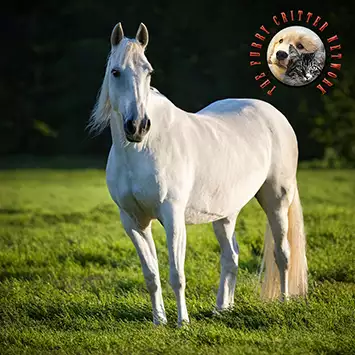

Lipizzans are among the most intelligent and trainable horse breeds in the world, a trait cultivated over centuries of selection for the complex movements of classical dressage. This intelligence is a tremendous asset under saddle, but it also means that Lipizzans left without adequate mental stimulation can develop unwanted behaviors born out of sheer boredom. Stall vices such as weaving, cribbing, and wood chewing are often indicators that a horse's environment is not providing enough engagement.
Understanding how your Lipizzan plays is the first step toward choosing appropriate enrichment. Some horses are naturally curious and investigative, preferring toys they can manipulate, push, or explore. Others are more food-motivated and respond best to puzzle feeders or treat-dispensing products. Observing your horse's natural tendencies during turnout provides valuable clues about which enrichment strategies will hold their interest.
The social nature of the Lipizzan also plays a role in enrichment planning. These horses are herd animals that draw comfort and stimulation from the presence of companions. A Lipizzan kept in isolation without visual or physical contact with other horses will often benefit more from a companion animal than from any commercial toy. If a second horse is not feasible, goats, donkeys, and even barn cats can provide meaningful social interaction.
Rotation is key to maintaining interest in any enrichment program. A toy that captivates a horse during the first week may be completely ignored by the third. Keeping a small inventory of different enrichment items and cycling them in and out of the stall or paddock every few days prevents habituation and keeps the horse engaged.