
Nutritional Needs

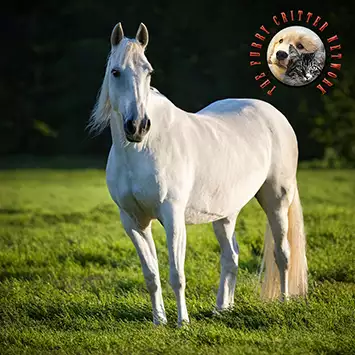
The Lipizzan is a compact, muscular baroque-type horse that was developed over centuries for the demanding movements of classical dressage. This athletic background means their nutritional requirements lean toward sustained energy and joint support rather than the explosive caloric needs of a thoroughbred racehorse. Most Lipizzans in moderate work require roughly two percent of their body weight in total daily feed, with the majority coming from quality forage.

Lipizzans are often described as easy keepers, meaning they tend to maintain or gain weight readily on relatively modest rations. This metabolic efficiency is a blessing and a potential concern, as overfeeding concentrates or rich pasture grasses can quickly lead to obesity and related complications like laminitis. Owners should prioritize forage-first feeding strategies and use concentrates only as needed to fill nutritional gaps.

Because these horses frequently perform collected work that places significant stress on hind-end joints and the spine, their diet should include adequate levels of omega-3 fatty acids, vitamin E, and biotin. Calcium-to-phosphorus ratios deserve particular attention, especially in growing Lipizzans, as baroque breeds can be prone to developmental orthopedic issues if mineral balance is neglected during the first few years of life.

Hydration is another critical factor. Lipizzans performing regular arena work can lose substantial electrolytes through sweat, particularly in warmer climates. A well-formulated electrolyte supplement during periods of heavy work can help maintain hydration balance, but should never replace access to clean, fresh water at all times.

What to Look For in Feed

When selecting commercial feeds for a Lipizzan, the ingredient panel matters more than marketing claims on the front of the bag. Look for feeds that list a recognizable forage or grain source as the first ingredient, such as timothy hay, beet pulp, or oats. Avoid products that rely heavily on molasses, corn syrup, or other simple sugars as primary palatability enhancers, as these can spike blood glucose and contribute to metabolic stress in easy keepers.

Protein content should generally fall between ten and fourteen percent for adult Lipizzans in moderate work. Higher-protein rations may be appropriate for lactating mares or growing foals, but most mature Lipizzans do not need the sixteen-plus percent protein levels marketed toward performance horses. Excess protein is simply excreted and can increase ammonia levels in stall environments.

Fat content is a useful indicator of energy density. Feeds with six to ten percent fat provide slow-release energy that suits the Lipizzan's work profile without the sugar-related risks of high-starch formulas. Rice bran and flaxseed-based fat supplements are popular choices for adding calories without adding bulk.

Finally, consider the form factor. Pelleted feeds offer consistency in every bite, while textured or sweet feeds can allow horses to sort through and pick out preferred ingredients. For Lipizzans with dental issues, senior formulations that soften when soaked can make a significant difference in digestibility and comfort.

Forage & Hay Selection

Forage should form the backbone of every Lipizzan's diet, typically comprising sixty to one hundred percent of their total intake depending on workload. Grass hays like timothy, orchard grass, and Bermuda are generally the safest choices for this breed, offering moderate calorie density and lower sugar content than legume hays. Alfalfa can be fed in limited quantities to boost protein and calcium, but should rarely serve as the sole forage source for an adult Lipizzan at maintenance.

Hay quality varies enormously between cuttings, regions, and storage conditions. A hay analysis from an agricultural extension lab is the single most useful investment a Lipizzan owner can make. For a modest fee, these tests reveal exact protein, sugar, starch, and mineral levels, removing the guesswork from ration balancing. This is especially important for Lipizzans with metabolic concerns, where non-structural carbohydrate levels in hay should ideally stay below twelve percent.

For horses that struggle with respiratory sensitivity or dust allergies, hay steamers and soaking methods can dramatically reduce airborne particulates. Steaming is generally preferred over soaking because it preserves more nutritional value while still eliminating most mold spores and dust. Hay nets with small openings also slow consumption rate and extend foraging time, mimicking natural grazing behavior.

Hay cubes and chopped forage products offer a useful alternative for Lipizzans with poor dentition or for travel situations where long-stem hay is impractical. These products should be soaked before feeding to reduce choke risk, and owners should verify that the cube or chop product has not been heavily supplemented with molasses or other sweeteners.

Wet & Fresh Feed Options

Beyond traditional dry hay and grain, many Lipizzan owners incorporate wet or fresh feed options to add variety, moisture, and additional nutrients. Beet pulp is one of the most versatile options, functioning as a digestible fiber source that can be soaked to add water content to the diet. It is low in sugar when purchased without added molasses, and its soft texture makes it suitable for horses of all ages.

Complete feed products designed to be mixed with water offer another approach, particularly for senior Lipizzans or those recovering from dental procedures. These mash-style feeds typically include a balanced vitamin and mineral profile alongside highly digestible fiber sources, and they can serve as a full meal replacement or a supplement to existing forage.

Fresh pasture is the most natural feed source, but it demands careful management for Lipizzans. Lush spring grass can contain dangerously high levels of fructan and simple sugars, particularly during cool nights followed by sunny days. Grazing muzzles, strip grazing, and timed turnout are all practical tools for allowing pasture access while controlling intake. Dry lots with hay provided separately give owners the most control during high-risk periods.

Fermented forage products like haylage and baleage are common in some regions and can offer excellent nutritional value with reduced dust. However, these require careful inspection for proper fermentation and should be discarded if any signs of spoilage, off-odors, or mold are present, as improperly fermented forage can cause serious digestive illness.

Treats & Supplements

Treats serve a real purpose in training and bonding, but they should be managed thoughtfully for a breed prone to easy weight gain. Carrot and apple pieces are classic choices that most Lipizzans enjoy, and their natural sugar content is modest enough to be safe in small quantities. Commercial horse treats vary widely in sugar and starch content, so reading labels is essential. Treats marketed as low-sugar or low-starch are increasingly available and worth seeking out.

Joint supplements are among the most commonly used products for Lipizzans, given the physical demands of collected work and the airs above the ground that the breed is famous for. Glucosamine, chondroitin, and hyaluronic acid are the most widely researched active ingredients. Look for supplements that disclose milligram amounts per serving rather than hiding behind proprietary blends, as dosing matters for efficacy.

Hoof supplements containing biotin, methionine, and zinc can support hoof wall integrity, which is particularly relevant for Lipizzans that work regularly on hard arena surfaces. Results from hoof supplements typically take six to twelve months to become visible, as the hoof wall grows slowly from the coronary band down.

Digestive support products, including prebiotics and probiotics, have gained popularity for maintaining hindgut health. Lipizzans transitioning between feed types, traveling frequently, or undergoing antibiotic treatment may benefit most from these products. A veterinarian or equine nutritionist can help determine whether a digestive supplement is warranted based on the individual horse's history and current condition.

Foods to Avoid

Certain foods and feed practices pose genuine risks to Lipizzans and should be avoided entirely. Lawn clippings are one of the most common accidental hazards, as they ferment rapidly and can cause severe colic or laminitis if consumed in quantity. Well-meaning neighbors and visitors should be clearly informed that feeding grass clippings over the fence is dangerous.

High-starch grains like corn and barley should be used cautiously, if at all, for Lipizzans with metabolic tendencies. These grains can overwhelm the small intestine's digestive capacity when fed in large meals, allowing undigested starch to reach the hindgut where it disrupts microbial balance and produces excess lactic acid. If starch-heavy grains are part of the ration, they should be processed (crimped, rolled, or steam-flaked) and divided into multiple small meals.

Several common plants and foods are outright toxic to horses. Members of the nightshade family, red maple leaves, black walnut shavings (relevant to bedding but sometimes confused with feed), and plants like ragwort and foxglove can cause organ damage or death. Owners should regularly inspect pastures and hay fields for toxic plant intrusion, especially after periods of drought when horses may graze less selectively.

Sudden feed changes represent another avoidable risk. The equine hindgut microbiome requires seven to fourteen days to adjust to new feed sources. Abrupt switches between hay types, grain products, or pasture conditions are a leading cause of digestive upset in horses. Any dietary transition should be made gradually, replacing roughly twenty-five percent of the old feed with the new feed every few days.

Feeding Schedule

Lipizzans, like all horses, are trickle feeders designed to consume small amounts of forage throughout the day. The ideal feeding schedule mimics this natural pattern as closely as possible, with forage available for the majority of the day and concentrates divided into two or three smaller meals rather than one large one. Long gaps without forage increase the risk of gastric ulcers, as the horse's stomach produces acid continuously regardless of whether food is present.

A practical schedule for a Lipizzan in moderate work might include a morning hay feeding, a midday concentrate meal if needed, an afternoon hay top-up, and an evening feeding of both hay and any remaining concentrates. Slow-feed hay nets can extend consumption time significantly, turning a hay ration that might be eaten in an hour into several hours of steady foraging.

Timing around exercise matters as well. Avoid feeding large grain meals within ninety minutes before work, as a full stomach can compress the lungs and divert blood flow away from working muscles. A small amount of hay before exercise is generally fine and may actually help buffer stomach acid during movement. After work, allow the horse to cool down and drink before offering a full meal.

Seasonal adjustments are important for Lipizzans kept outdoors. Winter feeding typically requires ten to twenty percent more forage to fuel the metabolic heat production that keeps horses warm. Summer feeding may require electrolyte supplementation and careful attention to water intake. Regardless of season, consistent meal timing helps regulate the horse's digestive rhythm and reduces stress-related behavioral issues like cribbing or weaving.

Always consult a qualified professional before making any health-related decisions. This content is provided for informational reference only and should not replace professional guidance specific to your animal.