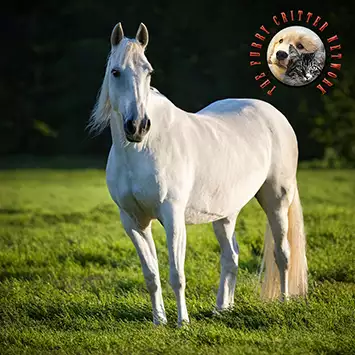

Space Requirements

The Lipizzan is a moderately sized horse, typically standing between 14.2 and 15.2 hands, but its compact and muscular build means it needs adequate room to move comfortably within any stall or shelter. A standard stall for a Lipizzan should measure at least twelve feet by twelve feet, though many owners prefer a slightly larger footprint to give the horse room to lie down fully and roll without risk of becoming cast against a wall.

Turnout space is equally important and arguably more critical to long-term health. Lipizzans are intelligent horses that thrive on mental stimulation, and extended stall confinement without adequate turnout can lead to stereotypic behaviors like weaving, cribbing, or stall walking. A minimum of several hours of daily turnout in a paddock or pasture is strongly recommended, with larger acreage preferred when available.

For facilities that house Lipizzans alongside a training arena, the proximity of the stall to the work area matters for daily routine efficiency. Classical dressage programs often involve multiple short training sessions per day, and a barn layout that minimizes long walks between stall and arena reduces handling time and stress on both horse and rider.

Ceiling height in barns and run-in sheds deserves attention as well. While Lipizzans are not tall horses, they do rear and play during turnout, and low overhangs near shelter entrances can cause head injuries. A minimum clearance of ten feet at doorways and interior ceilings provides a safe margin for normal horse behavior.

Stalls & Barn Design

Stall construction for Lipizzans should prioritize ventilation, safety, and ease of cleaning. Tongue-and-groove hardwood or heavy-gauge steel panels are the most common wall materials, and both perform well when properly maintained. Wood offers natural insulation and a quieter environment, while steel is more resistant to chewing and easier to disinfect. Stall fronts with grill or mesh panels allow the horse to see its neighbors and the aisle, reducing isolation stress.

Flooring is one of the most consequential decisions in barn design. Rubber stall mats placed over a compacted base of crushed stone or clay provide excellent cushioning for joints and are easy to clean. Mats should be thick enough to resist shifting under the horse's weight and interlocking designs help prevent gaps where urine and moisture can pool. Without mats, packed clay floors work adequately but require more frequent releveling and bedding replacement.

Bedding material sits atop the flooring and serves both cushioning and moisture-absorption functions. Kiln-dried shavings are the most popular choice for horse stalls, offering good absorbency and relatively low dust. Straw is traditional and provides a natural foraging substrate, but it can be less absorbent and may encourage some horses to eat their bedding excessively. Pelleted bedding products expand when wet and can be highly absorbent, making them a good choice for horses that produce a lot of urine.

Ventilation cannot be overstated. Barns should be designed to allow continuous airflow without creating direct drafts on stalled horses. Ridge vents, cupolas, and strategically placed windows or openings along the long walls of the barn create natural convective airflow. Poor ventilation traps ammonia from urine, dust from hay and bedding, and moisture from respiration, all of which contribute to respiratory issues that can sideline a working Lipizzan.

Run-In Sheds & Field Shelters

For Lipizzans kept primarily on pasture, a well-designed run-in shed provides essential protection from sun, wind, rain, and insects without the constraints of full stabling. The ideal run-in shed opens away from prevailing winds and is deep enough that horses can stand fully inside without their hindquarters remaining exposed. A three-sided structure with a width of at least twelve feet per horse and a depth of at least sixteen feet provides adequate coverage for a small group.

Shed placement within the pasture matters as much as the structure itself. Positioning the shed on high, well-drained ground prevents the entrance area from becoming a mud pit during wet seasons. A gravel apron extending several feet out from the opening gives horses solid footing as they enter and exit, and reduces the amount of mud tracked inside.

Portable or modular field shelters have become increasingly popular for rotational grazing programs. These structures can be moved with a tractor or truck to follow the horses as they rotate between pastures, ensuring that shelter is always available without the expense of building permanent structures in every paddock. Look for designs that are anchored securely against wind but can still be relocated without disassembly.

For Lipizzans kept in mixed herds, the social dynamics around shelter access should be monitored. Dominant horses may block subordinate animals from entering the shed, leaving them exposed during harsh weather. Multiple shelter openings, oversized structures, or separate shelters for different social groups can prevent this issue.

Fencing & Paddock Setup

Fencing is one of the largest capital investments in any horse property, and choosing the right type for Lipizzans involves balancing safety, durability, visibility, and cost. Board fencing remains the gold standard for appearance and safety, with four-board designs at a height of approximately five feet being the most common configuration. Boards should be attached to the inside of posts so that a horse leaning against the fence pushes boards into the posts rather than popping them off.

High-tensile polymer fencing has emerged as a strong alternative to traditional wood. These flexible rail systems absorb impact rather than splintering, reducing the risk of penetration injuries. They require less maintenance than wood, resist UV degradation, and are available in multiple colors. The initial cost is higher, but the reduced need for painting, replacing broken boards, and treating rot makes them cost-competitive over a ten to fifteen year lifespan.

Wire fencing should be approached with caution for horses. Barbed wire is never appropriate for equine enclosures due to the severe laceration risk. Smooth wire or woven wire mesh can work if properly tensioned and combined with a visible top rail, but horses that cannot see the fence line are more likely to run through it. Electric fencing works well as a psychological barrier and is often used as a secondary line inside a perimeter fence or for temporary paddock division during rotational grazing.

Paddock footing is an often-overlooked component of turnout area design. In regions with heavy rainfall or clay soils, sacrifice paddocks with engineered footing can prevent the destruction of larger pastures during wet months. A typical high-traffic paddock benefits from a geotextile fabric base topped with several inches of crushed stone and a surface layer of sand or stonedust, creating a surface that drains well and remains usable year-round.

Climate Considerations

Lipizzans originated in the relatively mild but variable climate of central Europe, and they adapt well to a broad range of conditions. However, housing and shelter decisions should account for the specific climate of the region where the horse lives. In cold climates, the primary concern is protecting horses from wind and wet rather than from cold air alone. A healthy Lipizzan with a full winter coat can tolerate very low temperatures as long as it has access to windbreak shelter, adequate forage for metabolic heat production, and unfrozen water.

Blanketing is a common practice but should be approached thoughtfully. Horses that are body-clipped for winter training require blanketing to replace the insulation their coat would have provided. Unclipped Lipizzans generally do not need blankets unless they are elderly, underweight, or lack adequate shelter. Over-blanketing can actually cause overheating and skin issues, and it prevents the natural coat from lofting properly to trap insulating air.

In hot and humid climates, heat management becomes the priority. Barn fans, misting systems, and shade structures all help reduce heat stress. Lipizzans with their often-gray or white coats are somewhat more susceptible to sunburn on pink-skinned areas, particularly around the muzzle, eyes, and any white markings. Fly sheets with UV protection serve a dual purpose by blocking both sun and insects.

Mud management is a universal challenge regardless of climate. Chronic exposure to muddy conditions softens hooves, promotes thrush and other fungal infections, and creates conditions for scratches and pastern dermatitis. Establishing dry areas with proper drainage, using gravel pads around high-traffic zones like gates and water troughs, and managing turnout timing during wet periods all help keep Lipizzans sound and comfortable.

Multi-Horse Facilities

Many Lipizzan owners keep more than one horse, and multi-horse facilities introduce additional considerations around space allocation, social management, and infrastructure scaling. Barn aisleways should be wide enough for two horses to pass without conflict, with a minimum width of twelve feet for center-aisle designs. Crossties or grooming areas should be positioned so that horses waiting in the aisle do not block traffic or create tension with neighboring stalled horses.

Turnout groupings require careful observation and adjustment. Lipizzans are generally sociable and herd-oriented, but introducing a new horse to an established group should be done gradually, ideally with a period of adjacent-paddock introduction where the horses can see and smell each other through a safe fence before sharing space. Monitoring for aggressive behavior during the first several days of group turnout prevents injuries and establishes a stable social hierarchy.

Shared resources like water troughs, hay feeders, and mineral stations should be distributed across the turnout area rather than clustered in a single location. This reduces competition-related aggression and ensures that subordinate horses have access to essential resources without having to challenge dominant animals. Multiple feeding stations spaced well apart also encourage movement throughout the paddock, which benefits hoof and digestive health.

Storage and infrastructure demands scale with herd size. Hay storage should be separate from the main barn to reduce fire risk and should be calculated based on per-horse consumption rates plus a buffer for supply disruptions. Manure management becomes a significant logistical consideration at scale, and composting systems, dumpster services, or spreader programs should be established before the manure pile becomes unmanageable. Proper planning of these systems at the facility design stage saves substantial time and expense compared to retrofitting later.

Always consult a qualified professional before making any health-related decisions. This content is provided for informational reference only and should not replace professional guidance specific to your animal.