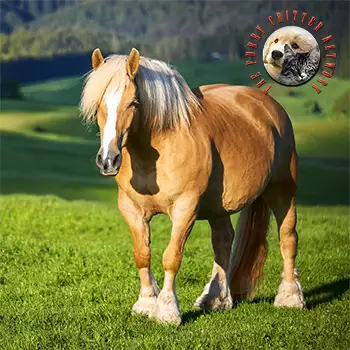

Haflingers are intelligent, curious horses with a playful streak that persists well into adulthood. Their alpine heritage bred a combination of independence and problem-solving ability that makes them particularly responsive to enrichment activities. Unlike some hot-blooded breeds that channel energy into nervous movement, Haflingers tend to express boredom through creative mischief — opening latches, dismantling stall fixtures, chewing wood, or pestering pasture mates. This intelligence is a gift when channeled properly and a management headache when ignored.
Understanding your individual horse's play preferences is the first step toward effective enrichment. Some Haflingers are highly oral, preferring to manipulate objects with their lips and teeth. Others are more physical, enjoying pushing, kicking, or tossing objects with their heads. Watch how your horse interacts with novel items introduced to the stall or paddock, and you will quickly identify which category of toy will hold their interest. A horse that ignores a hanging ball may be fascinated by a ground-level rolling toy, and vice versa.
The social dimension of play is also important. Haflingers are herd-oriented and often engage in mutual grooming, chase games, and synchronized movement with pasture mates. While toys and objects can supplement social enrichment, they should not replace the interaction that comes from living with other horses. A Haflinger kept in isolation will develop behavioral issues that no toy can fully address. If solo housing is unavoidable, maximizing visual contact with other animals and increasing the variety and rotation of enrichment becomes even more critical.
Enrichment serves a practical health purpose as well. A mentally stimulated horse is less likely to develop stereotypic behaviors such as cribbing, weaving, and stall walking, which are associated with stress, digestive disruption, and dental wear. Enrichment also encourages natural movement patterns, which supports joint health and circulation, particularly for horses that spend significant portions of the day in stalls.