
Nutritional Needs

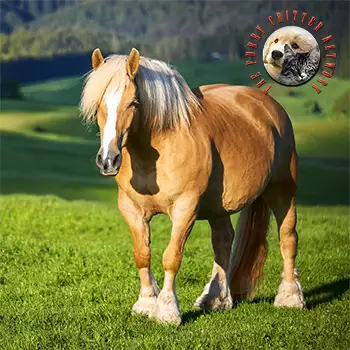
Haflingers are classified as easy keepers, meaning they maintain body condition on relatively modest caloric intake compared to many other horse breeds. This trait, which developed over centuries of survival in the alpine regions of Austria and northern Italy, makes them highly efficient at extracting nutrients from forage. While this hardiness is an advantage, it also means owners must be vigilant about overfeeding, as Haflingers are particularly prone to obesity and the metabolic complications that follow.

The foundation of a Haflinger's diet should be quality forage — grass hay or a grass-legume mix — offered at roughly 1.5 to 2 percent of the horse's body weight per day. Alfalfa-heavy diets are generally too rich for this breed unless the horse is in heavy work, lactating, or recovering from illness. Excess protein and calories from rich hay can quickly lead to weight gain and increase the risk of laminitis, a painful and potentially debilitating hoof condition.

Because Haflingers evolved in mineral-sparse mountain environments, they may benefit from a well-balanced vitamin and mineral supplement, particularly one that addresses common forage deficiencies in your region. Having your hay tested by an agricultural extension service is one of the most cost-effective steps you can take. The results will tell you exactly which nutrients are lacking and allow you to choose a ration balancer or loose mineral that fills those gaps without adding unnecessary calories.

Water intake is another critical factor that is easy to overlook. A Haflinger at maintenance will typically drink eight to twelve gallons of water per day, and that number rises significantly in hot weather or during work. Ensuring constant access to clean, fresh water supports healthy digestion, thermoregulation, and kidney function. Electrolyte supplements can be useful during periods of heavy sweating but should not replace free-choice access to a plain salt block or loose salt.

What to Look For

When evaluating commercial feeds and supplements for a Haflinger, the first thing to examine is the calorie density. Look for feeds labeled as low-starch or low-sugar, with a combined starch and sugar content (often listed as nonstructural carbohydrates or NSC) below 12 percent. This is especially important for Haflingers with metabolic sensitivities or a history of laminitis. Many ration balancers are formulated to deliver essential vitamins and minerals at a low feeding rate, making them an excellent choice for easy keepers.

Ingredient transparency matters. A quality feed will list specific ingredients rather than vague collective terms. You want to see named fat sources, identifiable fiber sources, and chelated or organic trace minerals, which tend to be more bioavailable than their inorganic counterparts. Avoid feeds that rely heavily on molasses or corn as primary ingredients, as these drive up sugar and starch levels without adding meaningful nutritional value for a breed that rarely needs the extra energy.

Pay attention to the guaranteed analysis panel and the feeding directions. A feed that looks nutritionally complete at ten pounds per day may leave significant gaps if your Haflinger only needs two or three pounds to maintain weight. In those cases, a concentrated ration balancer or a multi-vitamin and mineral pellet designed for low intake is the smarter choice. The goal is to meet micronutrient requirements without exceeding caloric needs.

Finally, consider the form factor. Haflingers tend to eat enthusiastically and sometimes bolt their feed. Pelleted feeds are consumed faster than textured feeds, which can increase the risk of choke. If your horse eats too quickly, a slow-feeder insert for the grain bucket or a textured feed with larger particles can help pace consumption and improve digestion.

Recommended Forage Types

Grass hay is the cornerstone of a healthy Haflinger diet. Timothy, orchard grass, and Bermuda grass hays are all excellent choices that provide adequate fiber and moderate calorie levels. These hays support steady hindgut fermentation, which is the primary engine of equine digestion. A Haflinger in light to moderate work will thrive on good-quality grass hay alone, supplemented with a ration balancer to cover any micronutrient shortfalls.

Mixed grass-legume hays, such as a timothy-alfalfa blend, can be appropriate for Haflingers in heavier work, growing youngsters, or broodmares in late gestation and lactation. The legume component raises the protein and calcium content, which supports muscle recovery and bone development. However, the ratio should lean heavily toward the grass component — a 70-30 or 80-20 grass-to-legume mix is usually sufficient. Pure alfalfa is rarely necessary and can contribute to excessive weight gain and enterolith formation in some individuals.

Pasture access is a double-edged sword for Haflingers. Lush, rapidly growing spring and fall grasses are high in fructans and simple sugars, which can trigger laminitis in metabolically sensitive horses. If your Haflinger has access to pasture, consider using a grazing muzzle during peak growth periods, limiting turnout to early morning hours when sugar levels are typically lower, or maintaining a dry lot with controlled hay feeding. Strip grazing — gradually expanding fenced pasture access — is another management strategy that helps control intake without eliminating turnout entirely.

Hay quality varies enormously by cutting, region, and storage conditions. Dusty, moldy, or overly mature hay can cause respiratory issues and provides poor nutrition. When possible, buy hay that has been stored under cover, inspect it for color and smell before purchasing, and consider having it analyzed so you know exactly what your horse is getting. This small investment in testing pays for itself many times over in targeted supplementation and reduced veterinary bills.

Concentrates & Grain Feeds

Many Haflingers do not need grain at all, and this is an important point that new horse owners sometimes struggle to accept. The equine feed industry markets heavily toward performance horses, and it can be tempting to add a scoop of sweet feed or a performance pellet to the daily routine. For most Haflingers in light to moderate work, this simply adds unnecessary calories and increases the risk of metabolic issues. A ration balancer — a concentrated pellet fed at one to two pounds per day — provides complete vitamin and mineral nutrition without the caloric load of a traditional grain.

For Haflingers in genuinely demanding work, such as competitive driving, endurance riding, or regular jumping, a modest amount of a low-starch, high-fat feed can support energy needs without spiking blood sugar. Look for feeds where fat, supplied through ingredients like stabilized rice bran or flaxseed, is the primary energy source rather than starch. Fat delivers more than twice the calories per gram compared to carbohydrates and produces a more sustained energy release, which is better suited to the Haflinger's naturally calm temperament.

Beet pulp, either shredded or pelleted, is a useful addition for Haflingers that need extra calories or fiber without the sugar hit of grain. It is a highly digestible fiber source that is fermented in the hindgut much like hay, producing volatile fatty acids that the horse uses for slow-burn energy. Soak beet pulp before feeding to reduce the risk of choke and to add extra water to the diet, which is particularly beneficial in winter when horses tend to drink less.

If you do feed concentrates, split the daily ration into two or more small meals rather than offering one large feeding. Horses have relatively small stomachs, and large grain meals can overwhelm the foregut, pushing undigested starch into the hindgut where it disrupts microbial balance and can lead to colic, laminitis, or diarrhea. Small, frequent meals mimic the horse's natural grazing pattern and support healthier digestion overall.

Treats & Supplements

Treats are a natural part of the human-horse bond, but for an easy keeper like the Haflinger, they need to be managed thoughtfully. Carrots and small pieces of apple are traditional favorites and are generally safe in moderation. Avoid treats that are high in sugar, molasses, or artificial flavors, and be cautious with commercial horse cookies that may contain more calories than you realize. A handful of hay cubes or a few plain hay stretcher pellets can satisfy the desire for a treat without adding significant sugar to the diet.

Joint supplements are among the most commonly purchased equine supplements, and they can be worthwhile for Haflingers used in driving, trail riding, or any discipline that places sustained stress on joints. Look for formulations that include glucosamine, chondroitin sulfate, and hyaluronic acid, which have the most evidence supporting their use in horses. Methylsulfonylmethane is another common ingredient that may support comfort during inflammatory responses. Results from joint supplements are typically gradual and become more apparent over weeks or months of consistent use.

Hoof supplements are another category worth considering, especially given the Haflinger's susceptibility to laminitis and the importance of strong hoof structure. Biotin, methionine, and zinc are the key nutrients that support hoof wall integrity and growth. These supplements work slowly — you will not see results in existing hoof wall, only in new growth — so expect a minimum of six to nine months before the full benefit is visible.

Omega-3 fatty acid supplements, typically derived from flaxseed or marine sources, can support coat quality, reduce inflammatory responses, and promote overall cardiovascular health. They are particularly useful for horses on hay-only diets, as dried forage is naturally low in omega-3s compared to fresh pasture. Ground flaxseed can be added directly to the feed and also provides a modest amount of additional calories and fiber.

Foods to Avoid

Certain foods are outright toxic to horses and should never be offered under any circumstances. These include members of the nightshade family such as tomatoes and potatoes, as well as avocado, chocolate, caffeine-containing products, onions, garlic in large quantities, and any stone fruit pits or seeds that contain cyanogenic compounds. Lawn clippings are another common hazard — they ferment rapidly after cutting, and even a small pile can cause severe colic or laminitis if consumed.

Beyond toxic foods, there are items that are technically safe but inappropriate for Haflingers specifically because of their metabolic profile. Feeds high in molasses, corn, or oats deliver a rapid sugar and starch load that can destabilize insulin levels in a breed already predisposed to insulin resistance and equine metabolic syndrome. Sweet feeds, while palatable, are among the worst choices for an easy keeper. If your current feed has a sticky, sweet coating on the grains, it almost certainly contains more molasses than a Haflinger should be consuming.

Access to certain pasture plants also warrants attention. Red maple leaves, black walnut shavings or sawdust, and yew are all highly toxic to horses. Buttercup, while mildly toxic when fresh, is typically avoided by horses due to its bitter taste but can be consumed in overgrazed pastures where other forage is scarce. Regularly walking your pastures and fence lines to identify and remove toxic plants is a simple but essential management practice.

Finally, be cautious about well-meaning visitors or barn neighbors offering treats. Dogs treats, cattle feed, chicken scratch, and human snack foods all find their way into horse stalls with surprising frequency. A clear sign posted at the barn entrance stating that no outside food should be given to the horses can prevent accidental exposure to foods that may contain ingredients toxic or inappropriate for equines.

Feeding Schedule

Horses are trickle feeders by nature, designed to consume small amounts of forage nearly continuously throughout a 16- to 18-hour day. The closer you can replicate this pattern, the healthier your Haflinger's digestive system will be. Ideally, hay should be available at all times or distributed across multiple feedings so that the horse is never left with an empty stomach for more than four hours. Extended fasting periods increase the risk of gastric ulcers and can lead to behavioral issues such as wood chewing, cribbing, and aggression at feeding time.

For Haflingers that tend to overconsume hay, slow-feeder hay nets with small openings are an excellent management tool. These nets extend eating time dramatically, reducing boredom and preventing the rapid consumption of large quantities. Double-netting — placing one small-hole net inside another — can slow intake even further for horses that have learned to pull hay through a single layer quickly. Position hay nets at a natural grazing height to promote healthy neck and jaw posture.

If you feed concentrates or a ration balancer, offer them at consistent times each day, ideally split into a morning and evening feeding. Consistency matters to horses — irregular feeding times create stress and can trigger digestive upset. Always feed hay before grain so that the stomach has a fiber buffer, which slows the passage of concentrates through the foregut and allows for more complete digestion.

Seasonal adjustments are important for Haflingers. During winter, horses burn more calories to maintain body temperature, and hay consumption may need to increase by 10 to 20 percent depending on your climate and shelter situation. In spring, the opposite challenge arises: lush pasture growth can cause rapid weight gain if not managed with grazing restrictions. Weigh your horse regularly or use a weight tape and body condition scoring to track changes and adjust the diet before problems develop rather than after.

Always consult a qualified professional before making any health-related decisions. This content is provided for informational reference only and should not replace professional guidance specific to your animal.