
Nutritional Needs

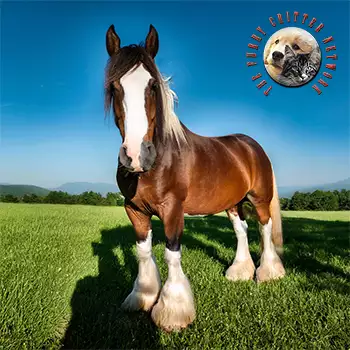
Clydesdales are among the largest domesticated horse breeds, and their sheer size translates directly into substantial nutritional demands. An adult Clydesdale in moderate work can require between 25,000 and 33,000 calories per day, depending on age, workload, and metabolic rate. Meeting these caloric needs while maintaining balanced nutrition is the central challenge of feeding a draft horse of this stature.

The foundation of a Clydesdale's diet should be high-quality forage. Hay and pasture grass should make up the majority of daily intake, typically in the range of 1.5 to 2 percent of body weight. For a 2,000-pound horse, that translates to 30 to 40 pounds of forage daily. Grass hays such as timothy, orchardgrass, and brome are excellent choices, while legume hays like alfalfa can be blended in for additional protein and calcium when the horse's workload or life stage demands it.

Beyond forage, Clydesdales often require concentrated feeds to meet energy demands that hay alone cannot satisfy. Grain-based concentrates or pelleted feeds formulated for draft or performance horses provide the additional calories and nutrients necessary for working animals. However, the ratio of forage to concentrate must be carefully managed to prevent digestive upset, as draft breeds can be prone to colic and other gastrointestinal issues when grain intake is too high relative to fiber.

Water intake is another critical consideration. A Clydesdale may drink 15 to 30 gallons of water per day, with intake increasing significantly during hot weather or periods of heavy work. Clean, fresh water must be available at all times, and owners should monitor consumption closely as a sudden drop in water intake can signal health problems.

What to Look For in Feed

When selecting feed products for a Clydesdale, the first thing to evaluate is the guaranteed analysis on the feed tag. Look for feeds that provide adequate protein levels, generally between 10 and 14 percent for adult horses in moderate to heavy work. Fat content in the range of 4 to 8 percent helps provide sustained energy without the metabolic spikes that come from high-starch formulations. Fiber content should remain high to support digestive health.

Ingredient quality matters enormously. Feeds built on a base of beet pulp, soy hulls, or other highly digestible fiber sources tend to be safer for draft breeds than those relying heavily on corn or other high-starch grains. Clydesdales can be more susceptible to metabolic conditions than lighter breeds, so avoiding excessive sugar and starch in the diet is a prudent long-term strategy.

Vitamin and mineral fortification is another key factor. A well-formulated commercial feed should include balanced levels of calcium, phosphorus, selenium, zinc, copper, and vitamins A, D, and E. The calcium-to-phosphorus ratio should be maintained at approximately 2:1 for optimal bone health, which is especially important in a breed that carries so much weight on its skeletal frame.

Finally, consider the form of the feed. Pelleted feeds reduce waste and ensure the horse consumes the full nutritional profile with every bite, whereas textured or sweet feeds allow horses to sort through and selectively eat preferred ingredients. For Clydesdales, pellets or extruded feeds often represent the more practical and consistent option.

Forage and Hay Selection

Forage quality is the single most impactful variable in a Clydesdale's diet. First-cutting grass hay provides good fiber content but may lack the protein and caloric density of second or third cuttings. Testing hay through a forage analysis lab is the best way to understand exactly what your horse is getting from its primary feed source, and this is especially important for draft breeds whose volume of consumption amplifies any nutritional imbalances.

Timothy hay is widely regarded as an excellent base forage for Clydesdales. It provides consistent fiber, moderate protein, and a favorable sugar profile. Orchardgrass is another strong option, offering slightly higher caloric content and good palatability. Brome grass hay is also suitable, particularly in regions where it is readily available and affordably priced.

Alfalfa hay can be a valuable supplement to a grass hay diet, particularly for Clydesdales in heavy work, lactating mares, or growing youngsters. Its higher protein and calcium content fills nutritional gaps that grass hay alone may leave. However, alfalfa should typically be fed as a portion of the total forage ration rather than the sole hay source, as its richness can contribute to excessive weight gain and may increase the risk of enteroliths in some horses.

Pasture grazing is an ideal complement to hay feeding when land and climate allow. Clydesdales do well on well-maintained pastures with a mix of grasses, but owners should be cautious about lush spring pastures high in fructans, which can trigger laminitis in susceptible individuals. Rotational grazing and the use of grazing muzzles can help manage pasture intake during high-risk periods.

Concentrates and Grain Options

Concentrated feeds serve as the caloric bridge between what forage provides and what a working Clydesdale actually needs. Commercial feeds designed for draft or performance horses are formulated to deliver energy-dense nutrition in a manageable volume. When shopping for concentrates, look for products that emphasize fat and digestible fiber as energy sources rather than relying exclusively on cereal grains.

Oats have long been a traditional grain choice for horses and remain a sound option for Clydesdales. They are relatively safe compared to corn or barley because their higher fiber content moderates the rate of starch digestion. Whole or crimped oats can be fed alongside a ration balancer to ensure micronutrient needs are met. However, oats alone may not provide sufficient calories for Clydesdales under heavy workloads.

For horses requiring higher caloric intake, fat-supplemented feeds or the addition of stabilized rice bran or flaxseed oil to the ration can boost energy without increasing starch load. This approach is particularly useful for Clydesdales that tend toward insulin resistance or those that become excitable on high-grain diets. A gradual transition is important whenever changing or increasing the concentrate portion of the diet.

Feeding concentrates in multiple smaller meals rather than one or two large ones is critical for draft breeds. The equine stomach is relatively small for the size of the animal, and overloading it with grain increases the risk of colic, gastric ulcers, and hindgut acidosis. Splitting the daily grain ration into three or more feedings helps maintain steady digestion and energy levels throughout the day.

Treats and Supplements

Supplements can play an important role in a Clydesdale's nutrition plan when targeted to specific needs. Joint supplements containing glucosamine, chondroitin, and hyaluronic acid are commonly fed to draft horses to support the joints that bear extraordinary weight loads daily. Hoof supplements with biotin, methionine, and zinc can help maintain the large, sometimes problematic hooves that Clydesdales are known for.

Electrolyte supplements are valuable during hot weather or after strenuous work. Clydesdales lose significant amounts of sodium, chloride, and potassium through sweat, and replacing these minerals helps maintain hydration and muscular function. A plain salt block or loose salt should also be available at all times to encourage adequate water intake.

Probiotics and digestive aids can benefit Clydesdales that have experienced digestive disruptions or are undergoing dietary transitions. Products containing live yeast cultures or encapsulated bacterial strains support hindgut fermentation and can improve feed efficiency. These supplements are especially useful during stressful periods such as travel, competition, or changes in environment.

Treats should be offered in moderation and chosen with nutritional awareness. Carrots, apples, and commercial horse treats are all acceptable in small quantities, but sugary or starchy treats should be limited. For Clydesdales prone to metabolic issues, hay cubes or low-sugar commercial treats are safer alternatives that still provide positive reinforcement during training and handling.

Foods to Avoid

Certain foods and feeding practices pose genuine risks to Clydesdales and should be strictly avoided. Lawn clippings, for instance, are a common but dangerous offering. They ferment rapidly and can cause severe colic or choke. Similarly, foods from the nightshade family, including tomatoes, potatoes, and peppers, contain compounds that are toxic to horses and should never be fed.

Moldy or dusty hay is another serious hazard. Draft horses consuming large volumes of compromised forage are at elevated risk for respiratory disease, colic, and mycotoxin poisoning. Always inspect hay visually and by smell before feeding, and store it in a dry, well-ventilated area to prevent mold growth.

High-sugar and high-starch treats marketed for horses can be problematic for Clydesdales, particularly those with any history of laminitis or metabolic syndrome. Excessive grain feeding is similarly dangerous, as it can overwhelm the horse's digestive capacity and lead to hindgut acidosis, laminitis, or founder. Any changes to the grain portion of the diet should be made gradually over a period of at least one to two weeks.

Finally, avoid feeding cattle or other livestock feeds to Clydesdales. Many cattle feeds contain ionophores such as monensin, which are extremely toxic to horses even in small amounts. Cross-contamination in shared feeding areas is a real risk on mixed-species farms, and feed storage and distribution should be carefully managed to prevent accidental exposure.

Feeding Schedule

Establishing a consistent feeding schedule is essential for Clydesdale health and digestive function. Horses are trickle feeders by nature, evolved to consume small amounts of forage continuously throughout the day. The closer a management routine can approximate this natural pattern, the lower the risk of digestive problems. At minimum, forage should be offered in two to three portions spread across the day, with free-choice hay available overnight.

Concentrate meals should be divided into at least three feedings per day for Clydesdales in work. Morning, midday, and evening grain meals keep the digestive system working steadily and prevent the blood sugar spikes and crashes associated with large single feedings. Each concentrate meal should be relatively small in volume, ideally no more than five to six pounds of grain per feeding for an average-sized Clydesdale.

Timing matters beyond just frequency. Hay should be offered before grain at each feeding to ensure the stomach has a fiber buffer before concentrates arrive. Waiting at least one hour after a grain meal before exercise helps reduce the risk of colic. Post-exercise feeding should be delayed until the horse has cooled down and its respiratory rate has returned to normal.

Seasonal adjustments are also necessary. Clydesdales burn more calories maintaining body temperature in cold weather and may need increased forage and possibly additional concentrates during winter months. Conversely, horses on lush spring pasture may need reduced grain rations to prevent excessive weight gain. Regular body condition scoring, ideally on a monthly basis, helps owners stay ahead of gradual changes and adjust the feeding program proactively.

Always consult a qualified professional before making any health-related decisions. This content is provided for informational reference only and should not replace professional guidance specific to your animal.