
Halters, Lead Ropes & Tack Sizing

Finding properly sized tack is one of the most persistent challenges Clydesdale owners face. Standard horse halters, even those labeled as large or oversize, frequently do not fit a draft horse's broader jaw, wider poll, and longer head. Draft-specific halters are manufactured with wider straps, larger buckle spacing, and reinforced hardware to accommodate both the dimensions and the strength of these animals. A halter that fits correctly should allow two fingers between the noseband and the horse's face without being loose enough to catch on objects.

Lead ropes for Clydesdales should be heavier and longer than standard equine leads. A rope of at least 10 feet with a bull snap or heavy-duty bolt snap provides the handler with adequate working distance and a connection point that will not fail under the sudden force a draft horse can generate. Cotton, yacht braid, or thick nylon ropes in the three-quarter-inch to one-inch diameter range offer good grip and durability.

Saddle fitting for Clydesdales is a specialized undertaking. Draft saddles feature wider trees, longer panels, and broader gullets than standard saddles to distribute weight properly across the horse's wide, flat back. An ill-fitting saddle can cause pressure sores, muscle atrophy, and behavioral resistance in any horse, but the consequences are compounded in a draft breed whose back shape differs so dramatically from the lighter breeds most saddle makers design for.

Bridles, breastplates, and other tack items similarly need to be sourced in draft sizes. The market for draft-specific tack is smaller than the general equine market, which can mean fewer options and higher prices. Building a relationship with tack makers who specialize in draft equipment or who offer custom sizing is often the most reliable path to properly fitted gear.

Grooming Tools

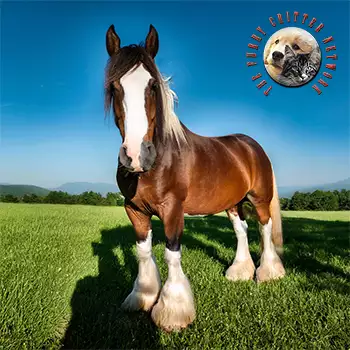
Grooming a Clydesdale is a substantial undertaking, and the right tools make the difference between a manageable routine and an exhausting chore. The breed's signature feathering, the long, silky hair that flows from behind the knee and hock down over the hooves, requires particular attention. A wide-toothed comb or detangling brush designed for mane and tail work is essential for working through feathering without pulling or breaking the hair.

Body brushes and curry combs should be sized for the handler's comfort over extended grooming sessions. A full-body grooming of a Clydesdale takes considerably longer than grooming a lighter breed simply because there is more surface area to cover. Ergonomic handles and flexible curry combs reduce hand fatigue. A stiff dandy brush for removing dried mud and a soft finishing brush for laying the coat smooth complete the basic body grooming kit.

Hoof care tools are critical. A Clydesdale's hooves are large and can be challenging to clean, especially when feathering obscures the hoof and traps debris. A sturdy hoof pick with a brush attachment is a daily necessity. Hoof conditioners and thrush treatments should be kept on hand, as the moist environment beneath heavy feathering creates ideal conditions for bacterial and fungal infections.

Clipping and trimming equipment rounds out the grooming toolkit. Many Clydesdale owners clip body coats for summer comfort or show preparation, and heavy-duty clippers with sharp, wide blades are necessary for the job. Feathering may be trimmed for health reasons in wet climates, and small cordless trimmers are useful for maintaining neat lines around the fetlock and pastern areas. Regular blade maintenance and cooling spray extend the life of clipping equipment and ensure comfortable grooming sessions.

Buckets, Feeders & Water Systems

Feeding and watering equipment for Clydesdales must be scaled to the volume these horses consume. Standard five-gallon buckets are quickly emptied and need constant refilling. Large corner-mounted feeders or ground-level feed tubs with capacities of 15 to 20 gallons are more practical for grain meals, reducing the number of refills and providing a more natural feeding posture.

Water delivery is a particular consideration. A Clydesdale drinking 20 to 30 gallons per day will drain a standard water bucket multiple times. Automatic waterers connected to a pressurized water line are the most convenient and reliable solution, ensuring fresh water is always available without manual filling. If using buckets, heavy-duty rubber or polyethylene tubs in the 15-to-20-gallon range, mounted securely to prevent tipping, are the minimum practical size.

Hay feeders and racks should be designed to minimize waste while promoting a natural head-down eating posture. Wall-mounted hay racks set at chest height or lower work well in stalls, while large round bale feeders with restrictor panels are effective for pasture feeding. Slow-feeder hay nets sized for draft horses, meaning larger mesh openings than pony sizes but small enough to extend feeding time, provide both nutritional and enrichment benefits.

All feeding equipment should be constructed from materials that are easy to clean, resistant to chewing, and free of sharp edges or protrusions. Stainless steel, heavy rubber, and high-density polyethylene are the most durable and hygienic options. Wooden feeders, while traditional, are susceptible to chewing damage and can harbor bacteria in cracks and grain, making them harder to maintain in sanitary condition.

Blankets, Sheets & Protective Wear

Blanketing a Clydesdale requires draft-sized products that are cut differently from standard horse blankets. Draft blankets feature wider chest panels, deeper drops, and longer body lengths to accommodate the barrel chest and broad hindquarters characteristic of the breed. A blanket that is too small will pull across the shoulders, restricting movement and causing rub marks, while one that is too long may shift and create entanglement hazards.

Turnout blankets with waterproof outer shells and varying levels of fill weight are the most versatile option for climate management. A lightweight, waterproof sheet handles cool rain and wind in spring and fall, while a medium-weight or heavyweight filled blanket addresses winter cold. Layering systems that use a waterproof shell over a detachable liner offer the most flexibility across changing conditions.

Fly sheets and fly masks are warm-weather essentials. Clydesdales can be particularly bothered by flies and other biting insects around their legs and feathering, and a well-fitted fly sheet reduces skin irritation and the stamping and tail-swishing that accompany insect harassment. Fly masks should cover the eyes and ears with fine mesh that blocks insects without impeding vision or hearing.

Stable blankets, used indoors for warmth during cold weather in unheated barns, should be breathable to prevent overheating and moisture buildup against the coat. All blankets and sheets need regular inspection for torn straps, broken buckles, and worn fabric. A poorly maintained blanket can cause more problems than it prevents, including shoulder rubs, back sores, and dangerous entanglement if straps break during turnout.

Safety, Identification & First Aid

Identification is a foundational safety requirement for any horse. Microchipping is the most permanent and tamper-proof identification method, and a microchip implanted in the nuchal ligament can be scanned by any veterinarian or animal control officer. Registration papers, brand records, and photographic identification serve as supplementary documentation. For Clydesdales used in showing or breeding, registry-issued identification is typically mandatory.

A well-stocked equine first aid kit is essential for every Clydesdale owner. The kit should include wound care supplies such as antiseptic solution, clean bandaging materials, non-stick wound pads, and veterinary wrap. Thermometer, stethoscope, and a basic understanding of vital sign ranges for horses allow owners to assess a horse's condition before the veterinarian arrives. Given a Clydesdale's size, bandaging materials should be stocked in generous quantities, as wrapping a draft horse's leg requires significantly more material than wrapping a lighter breed.

Leg wraps and shipping boots protect the lower legs during transport and can be used therapeutically for support after injury or heavy work. Standing wraps with thick cotton or quilted padding underneath provide compression and support during stall rest. Shipping boots that cover from the coronet band to above the knee or hock are essential for trailering, as a stumble or shift during transit can cause serious lower-leg injuries.

Emergency preparedness extends beyond first aid supplies to include a plan for evacuation, fire, and natural disasters. Leather halters that can break away under extreme force are preferred for turnout to prevent entrapment, while heavy-duty nylon halters are appropriate for handling and transport. Emergency contact information for the veterinarian, farrier, and nearest equine emergency facility should be posted prominently in the barn.

Seasonal and Specialty Gear

Seasonal gear for Clydesdales addresses the specific challenges that different times of year present. Winter demands hoof traction aids such as snow pads or borium-tipped shoes for horses that work on icy surfaces. Heated water buckets or insulated trough covers prevent water from freezing and ensure consistent hydration during cold months. Thermal underblankets and neck covers supplement turnout blankets for horses that need extra warmth.

Summer gear focuses on cooling and insect management. Equine sunscreen or UV-protective fly sheets help prevent sunburn on white markings, which Clydesdales commonly have on their faces and legs. Cooling products such as evaporative neck wraps and leg wraps can help a draft horse recover from exertion in hot weather. Mesh stall screens and fans improve airflow while reducing the number of flies and mosquitoes entering the barn.

Showmanship and presentation gear is relevant for Clydesdale owners involved in breed shows, parades, or public exhibitions. Decorative feathering combs, mane and tail braiding supplies, and hoof polish are staples of the Clydesdale show preparation kit. Harness equipment for driven Clydesdales includes collar, hames, traces, and breeching, all of which must be fitted precisely to prevent galling and pressure injuries during work.

Travel gear beyond leg protection includes trailer accessories like padded dividers, hay bags sized for long trips, and portable water containers. Clydesdales require larger trailer stalls than standard horses, typically stock-type or draft-specific trailers with higher ceilings and wider stall widths. Proper tie systems with panic snaps and breakaway features add a critical layer of safety during transport.

Always consult a qualified professional before making any health-related decisions. This content is provided for informational reference only and should not replace professional guidance specific to your animal.