
Nutritional Needs

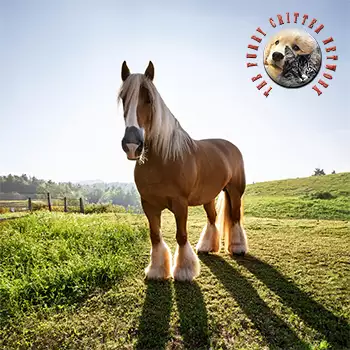
Belgian Drafts are among the largest horse breeds in the world, and their nutritional demands reflect that scale. An adult Belgian can weigh anywhere from 1,800 to over 2,200 pounds, which means they require significantly more forage and calories than light horse breeds. Their metabolism, however, tends to be relatively efficient, so overfeeding can be just as dangerous as underfeeding. Striking the right balance is critical for maintaining healthy weight, strong hooves, and sustained energy for work or recreation.

The foundation of any Belgian Draft's diet should be high-quality forage. Hay or pasture grass should make up the majority of their daily intake, generally around 1.5 to 2 percent of their body weight. For a 2,000-pound Belgian, that translates to roughly 30 to 40 pounds of hay per day. Good-quality grass hay is typically preferred over rich alfalfa, which can provide excessive protein and calories for a draft horse that is not in heavy work.

Belgians that are actively working, whether pulling, plowing, or competing in draft shows, will need additional caloric support beyond forage alone. Concentrates or grain mixes designed for working horses can fill that gap, but they should be introduced gradually and portioned carefully. Draft horses are prone to certain metabolic conditions, so monitoring body condition score on a regular basis is essential to ensure the diet is meeting their needs without pushing them into excess.

Water intake is another factor that deserves attention. A Belgian Draft can drink 10 to 15 gallons of water per day under normal conditions, and significantly more during hot weather or periods of hard work. Clean, fresh water should be available at all times, and electrolyte supplementation may be warranted during heavy sweating to replace lost minerals.

What to Look For in Feed

When selecting commercial feed for a Belgian Draft, the first thing to evaluate is the fiber content. Draft horses thrive on fiber-rich diets, and any concentrate or grain mix should complement their forage intake rather than replace it. Look for feeds that list digestible fiber sources prominently in their ingredient panels and avoid products that rely heavily on corn or molasses as primary ingredients, as these can spike blood sugar and contribute to metabolic issues.

Protein content matters, but more is not necessarily better. For a Belgian in light to moderate work, a feed with 10 to 12 percent protein is generally sufficient. Horses in heavier work or lactating mares may benefit from slightly higher protein levels, but exceeding what the horse actually needs simply results in the excess being excreted, which places unnecessary strain on the kidneys. The quality of the protein sources matters as much as the quantity, so look for feeds that include amino acid profiles suited to equine needs.

Fat content is another key consideration, particularly for Belgians that need additional calories without the risks associated with high-starch feeds. Feeds that incorporate stabilized rice bran, flaxseed, or other fat sources can provide calorie-dense nutrition in a safer format. This is especially relevant for hard-working drafts that burn through calories quickly but may be sensitive to grain-heavy diets.

Finally, pay attention to the vitamin and mineral fortification in any commercial feed. Draft horses have specific needs for biotin, zinc, and copper to support their large hooves, and calcium-to-phosphorus ratios should be properly balanced. A well-formulated feed will address these needs without requiring a separate mineral supplement, though forage quality and regional soil deficiencies may still warrant additional supplementation.

Forage & Hay Selection

The type of hay you choose for a Belgian Draft has a direct impact on their overall health and condition. Grass hays such as timothy, orchard grass, and brome are excellent staples for most drafts. These varieties provide adequate fiber and moderate calorie content without the richness that can lead to weight gain or digestive upset. A mix of grass hays can add variety to the diet and help ensure a broader spectrum of nutrients.

Alfalfa hay has its place in a Belgian's diet, but it should be used judiciously. Pure alfalfa is high in protein and calcium, which can be beneficial for growing youngsters, lactating mares, or horses in extremely demanding work. For the average Belgian in moderate activity, however, alfalfa is best used as a supplement blended with grass hay rather than as the sole forage source. Too much alfalfa can contribute to excessive weight gain and may increase the risk of enteroliths in some horses.

Hay quality is just as important as hay type. Always inspect bales for mold, dust, and foreign debris before feeding. Moldy hay can cause respiratory issues and digestive problems that are particularly concerning in large horses whose systems are already managing significant volume. Hay should smell fresh and sweet, have good color, and feel dry to the touch. If your hay supply is inconsistent, having it tested for nutritional content can help you make informed decisions about whether supplemental feed or minerals are needed.

Pasture management also plays a role in forage quality. Belgians on pasture can consume large quantities of grass in a relatively short time, so rotational grazing or limited turnout may be necessary to prevent overgrazing and ensure the horse is not consuming too many calories. Spring grass, which is high in sugars, can be particularly problematic for draft breeds prone to metabolic concerns.

Concentrates & Grain Mixes

Concentrates serve as a caloric supplement for Belgians whose forage intake alone does not meet their energy demands. The key principle is that grain should be the supporting player in the diet, not the star. Many Belgian owners find that their horses do well on relatively modest amounts of concentrate, and some easy keepers in light work may not need grain at all. Let the horse's body condition, energy level, and workload guide your decisions about whether and how much concentrate to feed.

When grain is warranted, look for formulations specifically designed for draft or large-breed horses. These products typically have controlled starch and sugar levels, which helps reduce the risk of colic, laminitis, and other metabolic complications. Pelleted feeds can be easier to measure and less dusty than textured mixes, though some horses have a strong preference for one format over the other. Either option works well as long as the nutritional profile is appropriate.

Feeding concentrates in multiple smaller meals rather than one or two large ones is a best practice for draft horses. Their digestive systems are designed for continuous grazing, and large boluses of grain can overwhelm the hindgut, leading to fermentation imbalances and digestive distress. Splitting the daily grain ration into two or three feedings helps maintain a more stable digestive environment and promotes better nutrient absorption.

Beet pulp is a popular addition to the Belgian Draft diet. It functions as a highly digestible fiber source that also adds bulk and moisture to meals. Soaked beet pulp is gentle on the digestive tract and can be an effective way to increase caloric intake without relying on starchy grains. It also serves as a useful carrier for supplements and medications, making it a versatile component in a draft horse feeding program.

Treats & Supplements

Treats are a welcome part of the bond between horse and owner, and Belgians tend to be enthusiastic about snack time. Safe treat options include carrots, apples, and commercially produced horse treats that are low in sugar. Treats should always be given in moderation, as even healthy options contribute additional calories that can add up quickly in a breed already prone to easy weight gain.

Supplements can play a valuable role in a Belgian Draft's nutrition plan, but they should be chosen based on actual need rather than added indiscriminately. Joint supplements containing glucosamine and chondroitin are popular choices for draft horses, whose substantial body weight places considerable stress on their joints over time. Hoof supplements with biotin, methionine, and zinc can support the large, heavy hooves that Belgians rely on, especially in horses prone to cracking or slow growth.

Omega fatty acid supplements derived from flaxseed or fish oil can improve coat condition, reduce inflammation, and support overall immune function. These are particularly beneficial for Belgians that do not receive fat-supplemented commercial feeds. Probiotics and digestive aids are another category worth considering, especially for horses that have experienced digestive upset or are transitioning between feed types.

Salt and mineral blocks should be available at all times. While commercial feeds often include some mineral fortification, free-choice access to a salt block allows the horse to self-regulate their sodium intake. In areas with known soil deficiencies, a trace mineral block or loose mineral supplement may be more appropriate than a plain salt block. Consult with a veterinarian or equine nutritionist if you are unsure about your horse's specific mineral needs.

Foods to Avoid

Certain foods are toxic or harmful to horses and should never be fed to a Belgian Draft under any circumstances. Anything in the nightshade family, including tomatoes, potatoes, and peppers, contains compounds that are toxic to equines. Avocado, onions, garlic in large quantities, and chocolate are also dangerous. While some of these may seem obvious, well-meaning visitors to the barn may not realize the risks, so clear signage about what not to feed can prevent accidents.

Lawn clippings are a frequently overlooked hazard. Unlike fresh pasture grass, which a horse grazes selectively, lawn clippings are already cut and begin fermenting rapidly. Horses tend to gulp them down in large quantities, which can lead to choke, colic, or dangerous fermentation in the gut. Additionally, lawn clippings may contain herbicides, pesticides, or plants that the horse would normally avoid when grazing but cannot sort out of a pile of mixed cuttings.

Moldy or spoiled feed of any kind should be discarded immediately. Draft horses consume such large volumes of feed that even a small percentage of contaminated material can deliver a significant dose of mycotoxins. Grain that has been stored improperly, hay with visible mold, and fermented feed that smells off should all be removed from the feeding program. Investing in proper feed storage is a straightforward way to minimize this risk.

Excessive grain or sudden dietary changes are a leading cause of colic and laminitis in draft horses. Never make abrupt switches from one feed type to another. Transitions should be made gradually over the course of seven to ten days, mixing increasing proportions of the new feed with decreasing proportions of the old. Similarly, a horse that gains unauthorized access to a grain bin represents a veterinary emergency, as gorging on concentrates can trigger life-threatening founder.

Feeding Schedule

Consistency is one of the most important aspects of feeding a Belgian Draft. Horses are creatures of habit, and their digestive systems function best when meals arrive at roughly the same times each day. A typical feeding schedule involves two to three concentrate meals spaced evenly throughout the day, with free-choice or generously portioned hay available between meals and overnight. Establishing and maintaining this routine reduces stress and supports healthy digestion.

Morning feeding is usually the anchor of the schedule. Most owners provide a portion of the daily grain ration along with a fresh supply of hay first thing in the morning. If the horse is heading out for work or turnout, a lighter grain meal followed by hay is preferable, as heavy grain consumption immediately before exercise can contribute to discomfort and reduced performance. Allow at least an hour between a grain meal and strenuous activity.

An evening feeding typically mirrors the morning meal, with the remaining grain ration and a generous hay allotment to carry the horse through the night. Belgians are large animals with correspondingly large appetites, and ensuring they have adequate forage overnight prevents boredom-related behaviors like wood chewing and stall weaving. Some owners add a midday hay check or a small supplemental feeding for horses in heavy work.

Seasonal adjustments are necessary to keep the feeding program aligned with the horse's changing needs. During cold winter months, increasing hay intake helps the horse generate body heat through the fermentation process in the hindgut. In summer, when pasture may be abundant, concentrate portions can often be reduced. Monitoring body condition throughout the year and adjusting feed quantities accordingly is the simplest way to keep a Belgian Draft in optimal health.

Always consult a qualified professional before making any health-related decisions. This content is provided for informational reference only and should not replace professional guidance specific to your animal.