
Halters, Lead Ropes & Handling Gear

Finding a properly fitting halter for a Belgian Draft is one of the first challenges a new owner faces. Standard horse halters, even those marketed as large or oversized, are often too small for a Belgian's broad forehead and massive jawline. Draft-specific halters are manufactured with wider nosebands, longer cheekpieces, and heavier hardware to accommodate the proportions of these horses. A halter that fits correctly should sit comfortably across the nose without pressing into the eyes or restricting airflow, with two fingers of space between the noseband and the face.

Hardware quality matters tremendously on a draft halter. A Belgian can generate enormous pulling force if startled or resistant, and a cheap pot-metal snap or thin buckle will fail at exactly the wrong moment. Look for halters with solid brass or stainless steel hardware, reinforced stitching at stress points, and double-layer construction through the crownpiece and throatlatch. Breakaway halters designed with a leather crown that snaps under extreme pressure are a safety feature worth considering for turnout, as they reduce the risk of a caught halter leading to a neck injury.

Lead ropes should be at least 10 feet long and made from thick, heavy-duty cotton or poly material. A thin lead rope can burn through the hands of a handler if a two-thousand-pound horse decides to pull away quickly. Ropes with a larger diameter provide a better grip and more control. The snap on the lead should match the quality of the halter hardware, with a bull snap being the most common and reliable choice for draft horses.

Cross-ties and ground-tying equipment also need to be scaled up for a Belgian. Standard cross-ties may not be long enough to reach a draft horse comfortably, and the panic snaps or quick-release fittings should be rated for the forces a large horse can generate. Investing in properly rated handling equipment is not just a convenience; it is a safety measure for both the horse and the handler.

Grooming Tools

Grooming a Belgian Draft is a more involved process than grooming a light horse, largely because of the sheer surface area involved and the distinctive feathering on the lower legs. A good curry comb is the starting point of any grooming session, and for a Belgian, a larger-sized rubber curry with flexible teeth works best to loosen dirt and stimulate the skin across their broad back and barrel. Stiff-bristled dandy brushes follow the curry to sweep away loosened debris, and a soft finishing brush brings out the shine on the coat.

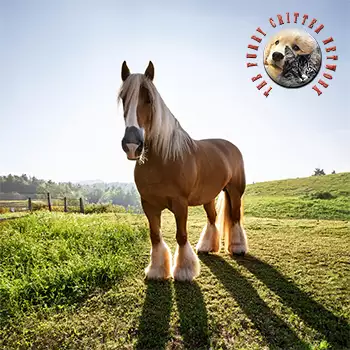
Feather care is a signature aspect of Belgian grooming. The long hair on the lower legs, known as feathering, traps moisture, mud, and debris and can become a breeding ground for skin conditions like scratches and mites if not properly maintained. Regular washing and thorough drying of the feathers is essential, along with careful inspection of the skin underneath. Some owners choose to clip the feathers for easier management, particularly in wet climates, while others maintain the full feather for show purposes and invest the extra grooming time required.

Mane and tail care for a Belgian involves detangling products, wide-toothed combs, and patience. The thick, heavy mane and tail of a Belgian can mat and tangle quickly, especially during turnout. Working through tangles from the bottom up with a detangling spray minimizes hair breakage and makes the process more comfortable for the horse. Regular trimming of the tail to a practical length prevents it from dragging on the ground and picking up bedding and debris.

Hoof care tools round out the grooming kit. A sturdy hoof pick with a brush attachment is a daily necessity, and the picks designed for draft horses tend to have longer handles and more robust construction to work effectively with the larger hoof size. Hoof conditioners and dressings may be used as needed based on environmental conditions, though opinions vary on how frequently these products are necessary. The most important grooming tool for hooves remains the farrier's schedule, which should be maintained every six to eight weeks.

Blankets & Sheets

Blanketing a Belgian Draft requires draft-sized products, and the selection available in this size range is narrower than what light horse owners enjoy. Draft blankets are measured differently and run larger across the chest, through the barrel, and over the hindquarters to provide adequate coverage without restriction. Measuring your Belgian carefully before purchasing is essential, as sizing varies significantly between manufacturers and an ill-fitting blanket can cause rubs, pressure sores, and restricted movement.

Turnout blankets with waterproof and breathable shells are the most commonly needed blanket type for Belgians kept outdoors. These blankets protect against rain and wind while allowing moisture from the horse's body to escape. Fill weight should be chosen based on your climate and whether the horse has a full winter coat. Many Belgian owners find that a medium-weight turnout blanket is sufficient for moderate winters, with a heavyweight option reserved for extreme cold or horses that have been body-clipped.

Stable blankets and coolers serve different purposes. Stable blankets provide warmth in an unheated barn without the waterproofing needed for outdoor use, while coolers are designed to wick moisture away from a wet or sweating horse and are used after baths, workouts, or in transitional weather. A fleece or wool cooler large enough for a Belgian is a versatile piece of equipment that sees use year-round.

Fit and durability are the two most important factors in blanket selection. Draft blankets must withstand the stress of covering a very large, powerful animal, and seams, buckles, and leg straps all need to be reinforced accordingly. Chest closures should allow full freedom of movement at the shoulder, and tail flaps should provide coverage without interfering with natural movement. Checking blankets daily for shifted fit, torn fabric, or broken hardware prevents minor issues from becoming major problems.

Driving & Work Harness

The harness is the most important piece of working equipment for a Belgian Draft, and it represents one of the larger investments a draft horse owner will make. A properly fitted harness distributes the load across the horse's chest, shoulders, and back in a way that allows the horse to work comfortably and efficiently. An ill-fitting harness causes pressure sores, restricts movement, and reduces the horse's willingness and ability to pull. Professional fitting by an experienced harness maker or draft horse trainer is strongly recommended.

Draft harnesses come in several styles depending on the intended use. Collar-and-hames harnesses are the traditional choice for heavy pulling and farm work, providing maximum bearing surface across the shoulder for sustained effort. Breast collar harnesses are lighter and suitable for lighter driving and recreational use. The choice between these styles depends on what kind of work the Belgian will be doing, with many owners maintaining both types for different tasks.

Leather quality in a draft harness cannot be compromised. The harness needs to be constructed from heavy, well-tanned leather that can withstand the forces generated by a working draft horse. Synthetic harness materials have improved in recent years and offer advantages in terms of weight and ease of cleaning, but leather remains the standard for serious work because of its durability, flexibility, and ability to conform to the horse's body over time. Regardless of material, all hardware should be stainless steel or solid brass.

Harness maintenance is an ongoing responsibility. Leather harnesses require regular cleaning with saddle soap and conditioning with leather oil to prevent drying, cracking, and premature failure. All stitching and hardware should be inspected before each use, as a broken trace or failed buckle during active work can be dangerous for both horse and driver. Proper storage on wide hangers or harness racks in a dry environment extends the life of the equipment and keeps it ready for use.

Hoof Care & Farrier Supplies

Belgian Drafts have large, heavy hooves that require consistent professional care and daily attention from the owner. The sheer weight these hooves carry makes them susceptible to issues like flattened soles, cracking, and uneven wear if farrier visits are delayed or skipped. Most Belgians need trimming or reshoeing every six to eight weeks, though individual growth rates and workload may adjust that schedule in either direction.

Shoes for Belgian Drafts are larger and heavier than standard horseshoes, and finding a farrier experienced with draft horses is important. Draft shoes are typically made from heavier stock and may include features like toe clips, heel calks, or borium for traction depending on the horse's work and the terrain. Some owners keep their Belgians barefoot when the horse is not in regular work, which can be a viable option if the hooves are naturally strong and the footing is not abrasive.

Between farrier visits, daily hoof picking and inspection is essential. Each hoof should be cleaned out thoroughly to remove packed debris, manure, and bedding, and the sole, frog, and hoof wall should be visually inspected for signs of thrush, cracks, or foreign objects. Thrush is particularly common in draft horses because of the size and depth of the hoof's central sulcus and the tendency for moisture to be trapped by feathering. Thrush treatments should be kept on hand for prompt application at the first sign of a problem.

Hoof supplements and topical dressings can support hoof health but are not substitutes for proper trimming and good nutrition. Biotin supplements are the most widely used and have some research support for improving hoof quality over time, though results take months to become visible. Topical hoof dressings and conditioners can help manage moisture balance in the hoof wall, sealing in moisture during dry conditions or providing a barrier against excess moisture in wet environments.

Seasonal & Weather Gear

Seasonal gear for a Belgian Draft addresses the practical challenges of managing a very large horse through varying weather conditions. Fly protection is a major concern during warm months, as Belgians are just as susceptible to biting insects as any other horse, and their size means there is more surface area for flies to target. Fly sheets sized for draft horses provide broad coverage, and fly masks with ear protection help shield the face and ears from persistent pests. Fly spray is a daily necessity in many regions during peak insect season.

Cooling products become important during hot weather, when a Belgian's heavy build makes heat dissipation a challenge. Cooling vests, cold-water hosing, and electrolyte supplementation help manage body temperature after work or during heat waves. Portable fans for use in the stall or work area can make a significant difference in comfort. Planning work schedules around the cooler parts of the day is the simplest and most effective heat management strategy.

Winter gear for Belgians depends heavily on climate and management style. Horses that grow a full winter coat and have access to shelter may need nothing more than a rain sheet during wet weather. Clipped horses or those in regions with extreme cold will need turnout blankets with appropriate fill weights. Ice and snow create traction hazards, and hoof boots or studs can help prevent slipping on frozen ground. Heated water buckets or tank heaters ensure water consumption does not drop during cold snaps.

Trailer and travel accessories round out the seasonal gear category for owners who transport their Belgians to shows, events, or veterinary appointments. Shipping boots or wraps protect the lower legs during transit, and draft-sized options are essential since standard shipping boots will not provide adequate coverage. Head bumpers, tail wraps, and properly fitted trailer ties should all be part of the travel kit. The trailer itself must be rated for the weight of a draft horse and provide sufficient headroom and width for comfortable travel.

Always consult a qualified professional before making any health-related decisions. This content is provided for informational reference only and should not replace professional guidance specific to your animal.