
Nutritional Needs

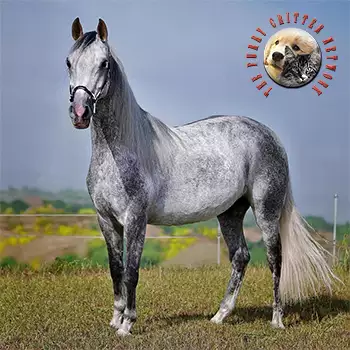
The Arabian horse is a breed built for efficiency. Originating in the harsh desert climates of the Arabian Peninsula, these horses evolved to thrive on relatively sparse forage while maintaining remarkable stamina and athleticism. This metabolic efficiency means Arabians generally require fewer calories per pound of body weight than many other breeds of comparable size. Overfeeding is one of the most common nutritional mistakes owners make, and it can lead to obesity, insulin resistance, and metabolic syndrome.

A healthy Arabian's diet should be built on a foundation of quality forage. Hay or pasture grass should make up the majority of daily intake, typically between 1.5 and 2 percent of body weight per day. Because Arabians are considered an "easy keeper" breed, many individuals do well on forage alone with a ration balancer to fill in micronutrient gaps, rather than a full grain-based concentrate feed.

Protein requirements vary depending on the horse's age, workload, and reproductive status. A mature Arabian in light work generally needs around 8 to 10 percent crude protein in the total diet, while growing foals, lactating mares, and horses in heavy endurance training may need 12 to 14 percent. Monitoring body condition score on a regular basis is the best way to fine-tune caloric and protein intake over time.

Arabians competing in endurance events have unique electrolyte and energy demands. Prolonged aerobic exercise depletes sodium, chloride, potassium, and calcium at rates that exceed what a standard diet can replace. Owners of performance Arabians should work with an equine nutritionist to develop a feeding plan that accounts for seasonal workload changes, competition schedules, and environmental heat stress.

What to Look For in Feed

When selecting commercial feeds for an Arabian, the ingredient list and guaranteed analysis panel are your most important tools. Look for feeds where the first ingredients are recognizable whole grains, forage products, or fat sources rather than fillers and by-products. A quality feed will clearly state its crude protein, fat, and fiber percentages along with key mineral ratios like calcium to phosphorus, which should generally fall between 1.5:1 and 2:1.

Fat content is an important consideration for Arabians in moderate to heavy work. Feeds with added fat from sources like stabilized rice bran, flaxseed, or vegetable oil provide calorie-dense energy without the glycemic spike that comes from high-starch grain mixes. This is particularly important for Arabians prone to metabolic issues, as low-starch and low-sugar formulations help maintain stable insulin levels.

Avoid feeds with excessive molasses, artificial colors, or poorly defined ingredients like "grain products" or "plant protein products." These vague labels often indicate inconsistent ingredient sourcing that can change from batch to batch. Consistency matters in equine nutrition because sudden dietary changes are a leading cause of digestive upset and colic.

Pay attention to the feed's intended purpose. A performance feed designed for thoroughbred racehorses will have a very different caloric density and nutrient profile than a maintenance feed designed for easy keepers. Matching the feed type to your Arabian's actual workload prevents both under-nutrition and the more common problem of over-supplementation.

Hay & Forage Selection

Hay quality is arguably the single most important factor in an Arabian's diet. A good grass hay such as timothy, orchard grass, or Bermuda provides the fiber and slow-release energy that the equine digestive system is designed to process. For most Arabians in light to moderate work, grass hay alone supplies adequate calories and protein when paired with a vitamin-mineral supplement or ration balancer.

Alfalfa hay is significantly richer in protein, calcium, and calories than grass hay. While it can be an excellent supplement for hard-working endurance Arabians, lactating mares, or growing youngstock, feeding straight alfalfa to a mature Arabian in light work often leads to weight gain and mineral imbalances. Many owners find that a grass-alfalfa blend in a ratio of roughly 70 to 30 offers a good middle ground.

Always inspect hay before purchasing. Quality hay should smell fresh and slightly sweet, appear green to light green in color, and be free of dust, mold, and weeds. Hay that is brown, musty, or visibly dusty can cause respiratory problems and may contain harmful mold spores. If possible, request a hay analysis from your supplier so you can see the actual nutrient content and make informed decisions about supplementation.

For Arabians with access to pasture, rotational grazing management helps maintain forage quality and reduces parasite exposure. Be cautious with lush spring pastures, as the high sugar content in rapidly growing grass can trigger laminitis in metabolically sensitive individuals. Grazing muzzles and limited turnout times are practical tools for managing pasture intake during high-risk periods.

Supplements & Electrolytes

The supplement market for horses is vast, and it can be tempting to add multiple products to your Arabian's feed room shelf. A more strategic approach is to start with a forage analysis, identify genuine nutritional gaps, and supplement only what is needed. For most Arabians on a forage-based diet, a quality vitamin-mineral supplement or ration balancer covers the essentials without overloading on any single nutrient.

Electrolyte supplementation is particularly relevant for Arabian owners involved in endurance riding or those living in hot climates. Horses can lose significant amounts of sodium, chloride, and potassium through sweat during prolonged exercise or extreme heat. A well-formulated electrolyte product should list sodium chloride as its primary ingredient rather than sugar or dextrose. Loose salt offered free-choice in addition to targeted electrolyte dosing around exercise ensures baseline sodium needs are met daily.

Joint supplements containing glucosamine, chondroitin, and hyaluronic acid are popular among owners of performance and aging Arabians. While scientific evidence on their efficacy in horses is mixed, many owners and veterinarians report anecdotal improvements in comfort and mobility. Omega-3 fatty acid supplements derived from flaxseed or marine sources can support coat health, reduce inflammatory responses, and benefit overall cardiovascular function.

Hoof supplements with biotin, zinc, methionine, and copper are worth considering for Arabians with thin or brittle hoof walls. Biotin in particular has some of the strongest research support among equine supplements, with studies showing measurable improvements in hoof horn quality at dosages of 15 to 25 milligrams per day over several months of consistent use.

Treats & Reward Foods

Treats serve as valuable training aids and bonding tools, but they should be offered thoughtfully and in moderation. Carrots, apples, and commercially produced horse treats are the most common options. When selecting packaged treats, look for products with simple ingredient lists and low sugar content. Avoid treats that rely heavily on molasses, corn syrup, or artificial sweeteners.

For Arabians with metabolic concerns or a tendency toward weight gain, low-sugar treat alternatives work just as well for training reinforcement. Small pieces of carrot, celery, or sugar-free commercial treats provide the reward value without the glycemic impact. Some owners use hay cubes or small handfuls of the horse's regular ration balancer pellets as training treats, which avoids introducing any new ingredients into the diet.

Portion control matters more than most owners realize. A horse that receives a dozen carrot pieces, a couple of apples, and a handful of commercial treats throughout the day is consuming a meaningful amount of extra sugar and calories. Establish a daily treat budget and stick to it, especially for Arabians that are already at or above their ideal body condition score.

Be aware of foods that are toxic or dangerous to horses. Anything in the nightshade family, including tomatoes and potatoes, should never be fed. Chocolate, caffeine, avocado, and lawn clippings are also hazardous. Fruit pits and seeds from stone fruits pose choking risks and may contain compounds that are harmful when ingested in quantity.

Foods & Ingredients to Avoid

Certain feeds and ingredients pose specific risks for Arabians due to the breed's metabolic tendencies. High-starch grain mixes heavy in corn, barley, or oats can cause rapid blood sugar spikes and contribute to insulin dysregulation over time. While oats are generally the safest of the cereal grains for horses, even they should be fed judiciously to Arabians that score high on body condition assessments.

Sweet feeds coated in molasses are a particularly poor choice for the breed. The combination of highly fermentable starches and simple sugars creates a perfect storm for hindgut disruption, and the palatability of sweet feed makes it easy to overfeed. If your Arabian requires a concentrate feed beyond a ration balancer, opt for a pelleted or extruded low-starch formulation that delivers calories primarily through fiber and fat.

Silage and haylage, while common in cattle operations, carry higher risks of botulism contamination for horses and should generally be avoided unless produced specifically for equine use with proper fermentation and pH levels. Similarly, feeds that have been stored improperly or show any signs of mold, dust, or insect contamination should be discarded immediately regardless of cost.

Be cautious with pasture plants and weeds that can infiltrate hay fields. Red maple leaves, black walnut shavings near feed areas, yew, oleander, and several other common plants are toxic to horses. Familiarize yourself with the poisonous plants in your region and inspect pastures and hay sources regularly.

Feeding Schedule & Management

Horses are trickle feeders by nature, and the Arabian's efficient digestive system benefits from frequent small meals rather than two large feedings per day. Ideally, forage should be available for the majority of the day to keep the hindgut populated with healthy microbes and to buffer stomach acid that is produced continuously. Slow-feed hay nets are an excellent tool for extending hay consumption time and preventing the boredom and stress associated with long periods without food.

If your Arabian receives a concentrate feed or ration balancer, divide the daily portion into two or three meals spaced evenly throughout the day. Feeding grain on an empty stomach increases the rate at which starch passes through the foregut undigested, leading to fermentation in the hindgut and potential colic or laminitis. Always ensure the horse has access to hay before or alongside any grain meal.

Water access is a non-negotiable component of the feeding program. An average-sized Arabian drinks between 5 and 10 gallons of water per day under normal conditions, and significantly more during hot weather or heavy exercise. Automatic waterers should be checked daily for proper function and cleanliness. Buckets and troughs should be scrubbed regularly to prevent algae and bacterial buildup that can discourage drinking.

Monitor your Arabian's body condition on a biweekly basis using a standardized scoring system. Adjust feed quantities gradually, changing no more than half a pound of concentrate per day over the course of a week. Seasonal changes in workload, pasture quality, and ambient temperature all influence caloric needs, so the feeding program should be a living plan that evolves throughout the year rather than a fixed ration set once and forgotten.

Always consult a qualified professional before making any health-related decisions. This content is provided for informational reference only and should not replace professional guidance specific to your animal.