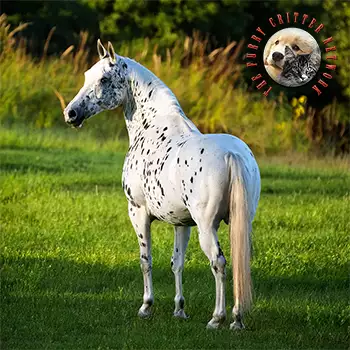

Appaloosas are an intelligent, curious breed with a reputation for problem-solving that can work for or against their owners. When given adequate mental stimulation, they are willing partners who enjoy learning and engaging with their environment. When left bored in a stall or small paddock with nothing to do, that same intelligence can manifest as destructive behaviors — cribbing, weaving, pawing, and wood chewing are all common signs that a horse needs more enrichment.
Understanding your individual Appaloosa's play preferences is the first step toward selecting the right enrichment products. Some horses are mouthy and enjoy manipulating objects with their lips and teeth. Others are more physical and prefer pushing, rolling, or kicking objects around their space. Still others are food-motivated above all else and will engage most enthusiastically with any toy that dispenses treats. Observing how your horse naturally interacts with objects in the pasture — sticks, buckets, loose items — gives you valuable insight into what types of toys will hold their interest.
Enrichment is not a luxury or a novelty — it is a core component of responsible horse management. Horses evolved to spend 16 to 18 hours per day foraging and moving across large territories. Domestic management, especially stall confinement, removes most of those natural behaviors. Toys and enrichment devices help fill the behavioral gap, reduce stress hormones, and contribute to a calmer, more balanced horse overall.
The goal is not to overwhelm the horse with stimulation but to provide consistent, varied opportunities for engagement. Rotating toys regularly — swapping out one set for another every week or two — keeps things fresh and prevents habituation, where the horse simply stops noticing a toy that has been in the same spot for months.