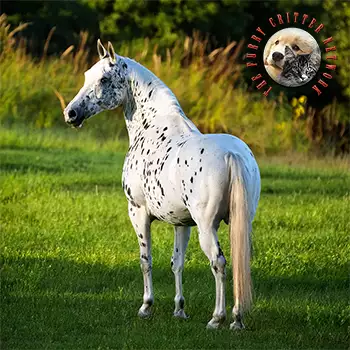

Nutritional Needs

Appaloosas are a hardy, versatile breed with moderate energy requirements that can vary significantly depending on workload, age, and overall health. Most adult Appaloosas in light to moderate work do well on a forage-first diet supplemented with concentrates only as needed. Their efficient metabolisms mean they can sometimes maintain condition on less feed than other breeds of similar size, but this also makes them prone to weight gain if overfed.

One important nutritional consideration specific to Appaloosas is their predisposition to Equine Recurrent Uveitis, an inflammatory eye condition. While diet alone does not prevent or cure this condition, ensuring adequate levels of antioxidants, omega-3 fatty acids, and anti-inflammatory nutrients can support overall immune health. Owners should work closely with a veterinarian to tailor a nutritional program that accounts for any ongoing health concerns.

Appaloosas used in demanding disciplines such as endurance riding, ranch work, or competitive western events will require higher caloric intake and may benefit from feeds with elevated fat content rather than excess starch. Horses in lighter work or pasture-kept Appaloosas should have their grain intake carefully monitored to prevent obesity, which can lead to metabolic issues. Fresh, clean water and free-choice access to a quality salt or mineral block round out the foundation of a sound Appaloosa diet.

Growing Appaloosa foals, pregnant or lactating mares, and senior horses each have distinct nutritional profiles. Young horses need balanced calcium-to-phosphorus ratios and controlled energy to support steady growth without developmental issues. Senior Appaloosas may require feeds designed for easier digestion and joint support as they age.

What to Look For in Feed

When selecting a commercial feed for an Appaloosa, the first thing to evaluate is the forage-to-concentrate ratio. Quality hay or pasture should make up the bulk of the diet — typically 1.5 to 2 percent of body weight per day in forage alone. Concentrates should fill nutritional gaps rather than serve as the primary calorie source. Look for feeds with clearly labeled guaranteed analyses so you can compare crude protein, fat, and fiber percentages across products.

Avoid feeds that rely heavily on corn, molasses, or other high-starch ingredients as their primary energy source. Appaloosas, like many stock-type breeds, can be sensitive to excess sugar and starch, which increases the risk of laminitis and metabolic syndrome. Instead, look for feeds that use beet pulp, rice bran, or added vegetable oils as calorie-dense, low-glycemic energy sources.

Ingredient transparency matters. Choose feeds from manufacturers that provide detailed ingredient lists rather than vague groupings. Chelated or organic trace minerals are generally more bioavailable than their inorganic counterparts, meaning your horse absorbs more of what you are paying for. Feeds that include prebiotics or probiotics can also support hindgut health, which is critical for efficient fiber digestion.

Finally, consider the form of the feed — pelleted, textured, or extruded. Pelleted feeds reduce sorting and waste, while textured feeds encourage slower eating. Extruded feeds offer high digestibility but tend to cost more. The best choice depends on your individual horse's eating habits, dental health, and how much you need to manage intake speed.

Hay & Forage Options

For most Appaloosas, good-quality grass hay forms the backbone of the diet. Timothy, orchard grass, and Bermuda grass hays are widely available and provide the fiber and moderate calorie content that suits the breed's efficient metabolism. These hays encourage natural chewing behavior and support healthy gut motility without delivering excess energy that could lead to weight gain.

Alfalfa hay is significantly richer in protein and calories and should be used strategically rather than as the sole forage source for most adult Appaloosas. It works well as a supplement for hard-working horses, lactating mares, or underweight individuals who need extra nutritional density. Blended hays that mix grass and alfalfa offer a middle ground and can simplify feeding programs.

Hay quality varies enormously by cutting, region, and storage conditions. Always inspect hay for mold, dust, excessive seed heads, and foreign material before purchasing. A hay analysis from an agricultural extension service is an inexpensive way to know exactly what nutrients your forage provides, which in turn lets you make smarter decisions about whether and how much to supplement with concentrates.

For Appaloosas with respiratory sensitivities or dental issues, soaked hay, hay cubes, or chopped forage products can be excellent alternatives. Soaking hay for 30 to 60 minutes reduces dust and lowers water-soluble sugar content, which benefits horses prone to metabolic concerns. Hay cubes and chopped forage are easier to chew and can be mixed with water to create a mash for senior horses.

Supplements & Vitamins

A well-balanced diet based on quality forage and an appropriately matched concentrate should meet most of an Appaloosa's nutritional needs without a cabinet full of supplements. However, there are situations where targeted supplementation makes sense. Joint supplements containing glucosamine, chondroitin, and hyaluronic acid are popular choices for active Appaloosas, particularly those involved in high-impact disciplines or aging horses showing early signs of stiffness.

Omega-3 fatty acid supplements derived from flaxseed or marine sources can support coat quality, reduce systemic inflammation, and may benefit Appaloosas prone to eye or skin conditions. These supplements are especially useful when the diet is low in fresh pasture, which is a natural source of omega-3s. Biotin supplements are another common addition for horses with slow hoof growth or brittle hoof walls, though results typically take six to twelve months of consistent use to become visible.

Vitamin and mineral supplements should be chosen based on what the forage analysis reveals is lacking. In many regions, selenium, copper, and zinc are deficient in locally grown hay, and a targeted ration balancer can fill these gaps without adding unnecessary calories. Avoid the temptation to add multiple overlapping supplements, as excess levels of fat-soluble vitamins or certain minerals can be just as harmful as deficiencies.

Electrolyte supplements are valuable for Appaloosas in heavy work, especially during hot weather or after prolonged exercise. These help replace sodium, chloride, potassium, and other minerals lost through sweat. Choose loose electrolyte powders that can be mixed into feed or water rather than sugar-heavy paste formulations.

Treats & Rewards

Treats play a useful role in training, bonding, and enrichment for Appaloosas, but they should be offered thoughtfully. The simplest and healthiest options are whole foods like carrots, apple slices, and small pieces of watermelon rind. These provide a satisfying crunch and natural sweetness without excessive sugar loads or artificial additives.

Commercial horse treats are widely available and range from simple baked biscuits to formulated options that include added vitamins or joint-support ingredients. When choosing a commercial treat, read the ingredient list carefully. Avoid products with high sugar or molasses content, artificial colors, or preservatives that offer no nutritional value. Look for treats that are small enough to be offered quickly during training without interrupting the flow of a session.

It is important to keep treat quantities in perspective relative to the overall diet. Treats should never constitute a significant caloric contribution — a handful per day is typically appropriate. Overfeeding treats can encourage pushy behavior around food, contribute to weight gain, and in extreme cases disrupt the balance of the hindgut microbiome.

For horses with metabolic concerns or those on restricted diets, low-sugar treat alternatives such as hay cubes, plain beet pulp pellets, or commercially available low-glycemic treats are good options. Some owners also make homemade treats using oats, flaxseed, and grated carrots, which allows full control over ingredients.

Foods to Avoid

Certain foods are toxic or dangerous to horses and should never be offered, regardless of how eagerly an Appaloosa may accept them. Members of the nightshade family — including tomatoes, potatoes, and peppers — contain solanine and other alkaloids that can cause digestive distress and neurological symptoms. Avocado, including the fruit, leaves, and bark, contains persin, which is toxic to horses and can cause respiratory and cardiac problems.

Chocolate, caffeine, and any products containing these substances should be kept well away from horses. Theobromine and caffeine are stimulants that can cause elevated heart rate, seizures, and in severe cases, death. Similarly, foods from the allium family — onions, garlic, and chives — can damage red blood cells and lead to anemia when consumed in significant quantities.

Beyond outright toxins, certain feeding practices pose risks. Lawn clippings should never be fed to horses because they ferment rapidly and can cause colic or laminitis. Bread, pastries, and processed human foods are difficult for horses to digest properly and offer no nutritional benefit. Even fruits that are safe in small amounts, such as apples, can become problematic if fed in large quantities due to their sugar content.

Moldy or dusty hay and feed are common but often overlooked hazards. Mycotoxins produced by mold can cause a range of issues from liver damage to reproductive problems. Always store feed in dry, well-ventilated areas and discard any hay bales that show visible mold, an off smell, or excessive heat when you break them open.

Feeding Schedule & Management

Horses are designed to eat small amounts continuously throughout the day, and the Appaloosa is no exception. The ideal feeding schedule mimics natural grazing patterns by providing forage in multiple small meals rather than one or two large ones. For stabled Appaloosas, splitting the daily hay ration into at least three feedings helps maintain consistent gut motility and reduces the risk of gastric ulcers caused by prolonged periods with an empty stomach.

Concentrate meals, if needed, should be kept small — ideally no more than four to five pounds per feeding for an average-sized Appaloosa. Large grain meals overwhelm the small intestine's capacity to digest starch, pushing undigested material into the hindgut where it can cause acidosis and increase the risk of laminitis. If your horse's workload demands significant concentrate intake, split it across three or more daily feedings.

Slow feeders and hay nets are valuable tools for extending forage consumption time, particularly for easy keepers or horses that bolt their hay. These devices encourage natural trickle feeding behavior and can significantly reduce boredom-related vices like cribbing and weaving. Choose a net with an appropriate mesh size — too small can frustrate some horses, while too large defeats the purpose.

Consistency in feeding times matters more than the exact hour. Horses are creatures of routine, and erratic schedules can cause stress and digestive upset. Establish a regular rhythm and stick to it as closely as possible, even on weekends and holidays. Monitor body condition regularly using a standardized scoring system and adjust feed amounts gradually — no more than a ten to fifteen percent change per week — to avoid shocking the digestive system.

Always consult a qualified professional before making any health-related decisions. This content is provided for informational reference only and should not replace professional guidance specific to your animal.