
Space Requirements

Appaloosas are medium-sized horses that typically stand between 14.2 and 16 hands, and their housing needs reflect both their physical size and their active, sociable temperament. A standard box stall for an Appaloosa should measure at least 12 feet by 12 feet, though a 12-by-14-foot stall provides more comfortable room for the horse to turn around, lie down, and move without feeling confined. Horses that spend extended periods stalled benefit significantly from the extra square footage.

Turnout space is equally important and arguably more critical to an Appaloosa's well-being than stall size. These horses were bred to cover ground, and they thrive with ample room to move freely. A minimum of one acre per horse is a widely cited guideline for pasture turnout, though more space is always better. Paddocks used for daily exercise when full pasture is unavailable should be large enough for the horse to trot and canter comfortably — a space of at least 600 to 1,000 square feet at a minimum.

Fencing defines the usable space and is one of the most important safety investments in any horse property. Appaloosas are generally sensible around fencing, but no breed is immune to panic or playful exuberance. Avoid barbed wire entirely. Board fencing, vinyl rail, mesh wire with a visible top rail, and electric tape or rope are all suitable options. The fence should be at least four and a half to five feet tall to discourage jumping and should have no gaps or protrusions that could catch a hoof or halter.

For properties with limited acreage, rotational grazing systems and dry lots can help maximize available space while protecting pastures from overgrazing. A well-designed dry lot with footing that drains effectively gives horses a safe place to move and socialize without destroying turf during wet seasons.

Stalls & Barn Design

The barn that houses your Appaloosa should prioritize ventilation, natural light, and ease of maintenance. Stagnant air in poorly ventilated barns is a leading contributor to respiratory problems in horses. Design or retrofit barns with large openings, ridge vents, cupolas, or fans that promote continuous airflow without creating direct drafts on stalled horses. Windows or translucent panels that allow natural daylight improve the horse's environment and make the barn more pleasant for daily chores.

Stall walls should be sturdy enough to withstand kicks and leaning — a common Appaloosa pastime when bored. Hardwood planking, metal-lined kick walls, and heavy-gauge grille panels above the solid lower walls are standard configurations. The grille section allows horses to see their neighbors, which reduces stress and satisfies their social instincts. Stall doors should open and close smoothly, with latches that are easy for humans to operate but impossible for clever horses to manipulate.

Flooring choices directly affect joint health and ease of cleaning. Rubber stall mats over a compacted base of crushed stone or clay provide excellent cushioning, traction, and drainage. They also reduce the amount of bedding needed and make stall cleaning faster. Concrete floors are durable but unforgiving on joints unless covered with thick mats. Bare dirt or clay floors are low-cost but require more maintenance to stay level and sanitary.

Aisle width in barns should accommodate a horse being led comfortably — a minimum of 10 to 12 feet is standard. Wider aisles also allow room for cross-tying, grooming, and tacking up without crowding. Adequate storage for feed, hay, and equipment should be planned into the barn layout from the start, keeping feed rooms secure and rodent-resistant.

Bedding & Footing

Choosing the right bedding for an Appaloosa's stall affects comfort, respiratory health, and the time you spend on daily maintenance. Wood shavings are the most popular bedding choice and offer a good balance of absorbency, cushioning, and availability. Kiln-dried shavings are preferable to green shavings because the drying process removes much of the dust and reduces the risk of respiratory irritation. Avoid shavings from black walnut, which are toxic to horses and can cause severe laminitis.

Straw bedding is traditional and provides a thick, warm bed that many horses enjoy. However, straw is less absorbent than shavings and some Appaloosas will eat their straw bedding, which can lead to digestive issues or unwanted calorie intake. Chopped straw products designed specifically for horse bedding offer better absorbency than long-stem straw and reduce the eating temptation somewhat.

Pelleted bedding made from compressed wood fiber or paper is an increasingly popular option, particularly for horses with dust sensitivities or owners with limited storage space. These pellets expand when moistened and create a soft, highly absorbent bed. They produce less dust than shavings and are easy to muck out because wet spots clump visibly. The trade-off is typically higher per-bag cost, though many owners find they use less volume overall.

Outdoor footing in paddocks and turnout areas matters just as much as stall bedding. Mud is the enemy of hoof health and can harbor bacteria that cause thrush and other infections. High-traffic areas around gates, water troughs, and feeding stations benefit from a base of geotextile fabric topped with several inches of crushed stone or gravel. Footing materials like sand or wood chips can be added over a firm base in areas where the horse spends extended time standing.

Run-In Sheds & Field Shelters

For Appaloosas that live primarily outdoors, a run-in shed or field shelter is an essential piece of infrastructure. These open-front structures give horses the freedom to seek shelter from rain, wind, sun, and insects on their own terms — a management style that aligns well with the Appaloosa's independent and adaptable nature. A run-in shed for one to two horses should be at least 12 feet deep and 12 to 16 feet wide per horse, with a front opening tall enough to prevent head injuries.

Placement of a run-in shed matters as much as its dimensions. Orient the open side away from prevailing winds to keep the interior dry and protected during storms. Situate the shelter on high, well-drained ground to prevent mud accumulation at the entrance. If possible, position it where it also provides shade during the hottest part of the day, or supplement with shade structures in open pastures where heat stress is a concern.

The roof should overhang the front opening by at least two to three feet to keep rain from driving into the shelter. Metal roofing is durable and cost-effective, but it should be insulated or have an air gap to reduce condensation and heat buildup. The interior walls can be lined with kick boards for durability, especially if the shed houses multiple horses who might compete for space.

Portable run-in shelters offer flexibility for rotational grazing setups or rented properties where permanent construction is not feasible. These modular structures can be moved with a tractor or truck as pasture rotation demands. While they are generally less robust than permanent shelters, well-built portable options can handle moderate weather conditions and provide adequate year-round protection.

Climate Considerations

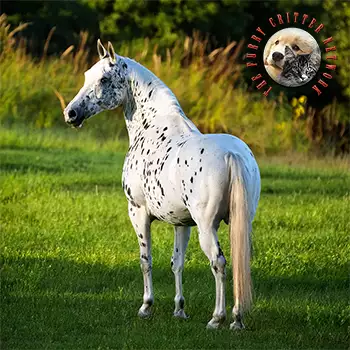
Appaloosas are a generally hardy breed with good tolerance for a range of climates, but certain coat characteristics specific to the breed require extra attention. Many Appaloosas carry the leopard complex gene pattern that produces their distinctive spotted coats, and horses with extensive white patterning have less melanin protection in those areas. This makes them more susceptible to sunburn, particularly on pink-skinned muzzles, around the eyes, and on large white body patches. Providing adequate shade and considering UV-protective fly sheets during peak summer months is important for these horses.

In cold climates, Appaloosas generally grow a sufficient winter coat to handle freezing temperatures as long as they have shelter from wind and precipitation. A dry horse with access to shelter and adequate forage can tolerate surprisingly cold conditions because the digestive fermentation of hay generates significant internal heat. Blanketing decisions should be based on the individual horse's coat condition, body weight, age, and whether the coat has been clipped for winter riding.

Hot and humid environments present different challenges. Appaloosas working in heat need access to shade, ample fresh water, and electrolyte supplementation during and after exercise. Fans or misting systems in barns and run-in sheds can significantly reduce heat stress. Schedule riding and heavy work for early morning or evening hours and monitor for signs of overheating such as excessive sweating, rapid breathing, or lethargy.

In regions with extreme weather swings — hot summers and harsh winters — barn design should accommodate both ends of the spectrum. Removable panels, adjustable ventilation openings, and insulated roofing help maintain a moderate environment year-round without requiring full climate control. The goal is never to create a sealed, temperature-controlled space but rather to buffer the extremes while maintaining healthy airflow.

Multi-Horse Properties

Appaloosas are generally social and do well in group housing situations, but managing multiple horses on a single property requires thoughtful planning. Herd dynamics, feeding hierarchy, and individual temperament all influence how space should be divided and shared. New horses should be introduced gradually — typically through adjacent paddocks with a shared fence line before being turned out together — to minimize conflict and reduce the risk of injuries.

Feeding multiple horses in a shared space is one of the most common sources of conflict. Dominant horses will guard feed stations and prevent lower-ranking herd members from eating their share. Space feeding stations far apart — at least 30 to 40 feet between them — and provide at least one more feeding station than the number of horses in the group. This ensures even the most subordinate horse has access to food without having to challenge a dominant individual.

Water access follows the same principle. Multiple water sources distributed throughout the turnout area prevent dominant horses from monopolizing hydration. Automatic waterers are convenient but should be supplemented with at least one large trough so that if a mechanical waterer fails, horses are not left without water. Check all water sources daily for cleanliness and proper function.

Stall assignments in a shared barn should consider which horses are neighbors. Horses that show aggression or anxiety toward specific individuals should not be placed in adjacent stalls. Conversely, horses that have bonded in turnout often do better when stalled near each other. Mares and geldings can typically be stabled in the same barn without issue, though stallions require separate, reinforced housing with visual barriers from other horses to reduce stress and prevent accidents.

Always consult a qualified professional before making any health-related decisions. This content is provided for informational reference only and should not replace professional guidance specific to your animal.