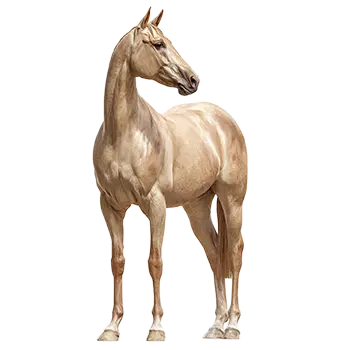

Play Style & Mental Drive

The Akhal-Teke is one of the more intellectually curious horse breeds, a trait that makes enrichment both important and rewarding. These horses were historically kept in close proximity to their human handlers, often tethered near tents rather than pastured in herds, which fostered a keen awareness of their surroundings and a strong desire for interaction. In modern management, an under-stimulated Akhal-Teke is likely to develop undesirable behaviors — weaving, cribbing, pawing, and fence-walking are common expressions of boredom in this breed.

Understanding how your individual horse plays is the first step toward effective enrichment. Some Akhal-Tekes are vigorous physical players that enjoy pushing, tossing, and chasing objects across their paddock. Others are more investigative, preferring toys that present a puzzle or require manipulation to access a reward. Many display both tendencies depending on their energy level and environment. Observing your horse's natural behavior during turnout provides valuable clues about which enrichment strategies will be most engaging.

The breed's intelligence means that novelty is a critical factor in enrichment. A toy that captivates an Akhal-Teke for a week may be completely ignored by the second week as the horse masters its mechanics and loses interest. Rotating toys on a regular schedule, introducing new objects periodically, and varying the placement and context of enrichment items all help maintain engagement over time.

Social enrichment should not be overlooked. For many Akhal-Tekes, the most valuable form of stimulation is interaction with a compatible companion, whether equine, human, or sometimes even a different species. Enrichment products supplement but do not replace the need for social contact, and no amount of toys will compensate for prolonged isolation in a breed that thrives on connection.

Treat-Dispensing & Puzzle Toys

Treat-dispensing toys are among the most reliably engaging enrichment options for Akhal-Tekes. These products require the horse to manipulate an object — rolling, nudging, flipping, or turning — to access small food rewards inside. The combination of physical activity and cognitive challenge mimics aspects of natural foraging behavior and can keep an intelligent horse occupied for extended periods.

Ground-based treat balls are a popular entry point. These are typically large, durable spheres with adjustable openings that release treats as the horse pushes the ball around with its nose or hooves. For Akhal-Tekes, look for models with adjustable difficulty settings, as a toy that dispenses treats too freely will be solved and abandoned quickly. The best designs allow you to tighten the opening progressively as the horse becomes more proficient.

Wall-mounted puzzle feeders offer an alternative that works well in stalls. These devices typically feature sliding panels, rotating drums, or hinged compartments that the horse must manipulate to access hay or treats inside. They are particularly valuable for horses that spend significant time stalled, as they extend feeding time and reduce the monotony of confinement. Ensure any wall-mounted product is securely fastened and free of sharp edges or pinch points.

When using treat-dispensing toys, account for the caloric content of the treats in the horse's overall diet. Small, low-sugar treats or even standard feed pellets work well as rewards without contributing to weight gain. Avoid loading dispensers with high-sugar treats or large quantities of concentrated feed, as this defeats the purpose of extended, slow-release foraging enrichment.

Stall & Paddock Toys

Simple stall toys provide low-cost, low-maintenance entertainment for confined horses. Hanging toys suspended from stall ceilings or beams at chest height give the horse something to interact with during downtime. Common designs include hanging balls, rollers, and textured shapes that the horse can push, bite, and spin. The movement and unpredictability of a swinging toy tends to hold attention longer than a static object.

Large, durable balls designed for equine use are a paddock staple. These oversized balls, typically eighteen inches in diameter or larger, are built to withstand biting, kicking, and being rolled over rough ground. Some horses develop elaborate solo games with these balls, pushing them across the paddock and chasing them. Others show little interest. If your Akhal-Teke falls in the latter category, try introducing the ball during a play session with you rather than simply placing it in the field, as the social context often sparks engagement.

Traffic cones, large rubber tubs, and purpose-built equine obstacle items can serve double duty as both enrichment and desensitization tools. Placing novel objects in the paddock gives curious Akhal-Tekes something to investigate, and the process of approaching, sniffing, and eventually interacting with unfamiliar items builds confidence and mental flexibility that carries over into training.

Safety is paramount with any toy placed in a horse's environment. Avoid items small enough to be swallowed or stepped on, objects that could shatter and create sharp fragments, and anything with rope or straps that could entangle a leg. Inspect toys regularly for wear, and remove any item that has developed cracks, holes, or loose components. What starts as a harmless toy can become a veterinary emergency if it deteriorates and a horse ingests a piece.

Foraging & Slow-Feeding Enrichment

Slow feeders and foraging enrichment address the horse's fundamental need to chew and forage for the majority of the day. In natural conditions, horses spend fourteen to sixteen hours daily grazing, and domestic management that provides feed in two or three large meals leaves many hours with nothing to do. Slow feeders extend hay consumption time, improving digestive health and reducing boredom simultaneously.

Hay nets with small mesh openings are the most common slow-feeding tool. They force the horse to pull individual strands of hay through the mesh, dramatically extending the time required to consume a given quantity. For Akhal-Tekes, nets with one-and-a-half to two-inch openings offer a good balance between challenge and frustration. Very small mesh can cause dental wear and excessive frustration, particularly in horses new to the concept.

Hay bags designed for ground-level feeding allow the horse to eat in a more natural head-down position while still limiting intake speed. These are preferable to overhead hay nets for horses that spend long hours eating from them, as the head-down posture supports proper respiratory drainage and spinal alignment. Look for heavy-duty construction that withstands pawing and tugging.

Scatter feeding is a simple but effective enrichment technique for horses on turnout. Rather than piling hay in a single location, distribute it in multiple small piles across the paddock. This encourages movement between feeding stations, mimics the pattern of natural grazing, and prevents resource guarding in multi-horse groups. Combining scatter feeding with a few treat-dispensing toys creates a layered foraging environment that keeps even clever Akhal-Tekes engaged.

Social & Interactive Play

For a breed as people-oriented as the Akhal-Teke, direct interaction with a trusted handler is often the most valued form of enrichment. Groundwork sessions, in-hand obstacle courses, and liberty work all provide mental stimulation and physical activity while strengthening the horse-human bond. These activities need not be formal training — even a few minutes of purposeful interaction during grooming or turnout can make a meaningful difference in the horse's daily experience.

Equine companions provide enrichment that no toy or human interaction can fully replicate. Mutual grooming, synchronized movement, and play behavior between compatible horses fulfill deep social needs and contribute to emotional stability. If a second horse is not practical, some Akhal-Teke owners have found success with companion animals such as goats, donkeys, or miniature horses, though compatibility should always be assessed carefully and safety provisions made for smaller animals.

Target training is a particularly effective enrichment activity for the Akhal-Teke's investigative mind. Teaching the horse to touch a target with its nose and then guiding it through increasingly complex sequences engages cognitive processing and builds communication between horse and handler. Target work can be expanded into more advanced behaviors like fetching, opening latches, and navigating obstacle courses, all of which channel the breed's intelligence into productive outlets.

Schedule variety into the horse's weekly routine. Alternating between ridden work, groundwork, trail outings, obstacle play, and rest days prevents the mental staleness that can set in when every day follows the same pattern. The Akhal-Teke's alert, engaged temperament responds exceptionally well to a varied program, and horses managed this way tend to approach each session with enthusiasm rather than resignation.

DIY & Budget Options

Effective enrichment does not require expensive commercial products. Many of the best equine enrichment ideas can be assembled from materials already available around the barn. A plastic milk jug with a few small holes cut in the sides and a handful of feed pellets inside creates a simple treat dispenser that most horses find engaging. Hang it from a stall beam at chest height or place it on the ground for a rolling version.

Empty feed bags partially filled with hay and tied loosely shut create a foraging challenge as the horse manipulates the bag to access the contents. Ensure the bag material is non-toxic and remove it once the horse has finished to prevent ingestion of the bag itself. Similarly, hay stuffed into a clean, empty bucket with a few small holes provides a slow-feeding puzzle that costs nothing beyond the bucket.

Pool noodles, hung from the stall ceiling at various lengths, create a curtain that the horse can push through and play with. These are lightweight, non-toxic, and inexpensive, and many horses find the novel sensation and movement entertaining. Replace them as they deteriorate, since pieces of foam could be ingested if the noodle breaks down.

Natural objects from the property can also serve as enrichment. Large logs or stumps placed in the paddock become rubbing posts and investigation objects. Branches from horse-safe trees like willow provide something to strip and chew. A shallow puddle or mud patch, where practical, gives horses an opportunity to splash and roll, which is both physically satisfying and mentally stimulating. The key principle is variety and novelty — rotate items frequently and observe what captures your horse's interest.

Always consult a qualified professional before making any health-related decisions. This content is provided for informational reference only and should not replace professional guidance specific to your animal.