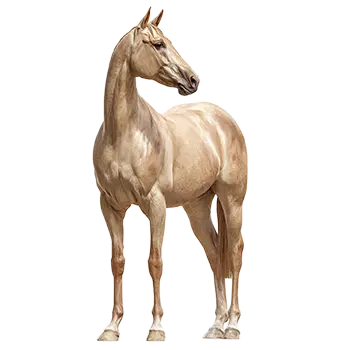

The Akhal-Teke is a lean, athletic breed with a naturally fine build and a metabolism that differs significantly from heavier stock breeds. These horses evolved in the arid deserts of Turkmenistan, where food and water were scarce and diets were supplemented with protein-rich feeds like alfalfa and even animal fat. That evolutionary background means the modern Akhal-Teke tends to be an efficient metabolizer that maintains condition on less feed than many owners expect, but also one that can lose weight rapidly if nutrition is inadequate or poorly balanced.
Because the breed carries minimal body fat and has a high surface-area-to-mass ratio, caloric density matters more than volume. Akhal-Tekes generally do best on a diet that prioritizes quality forage, moderate protein, and carefully managed fat content rather than large quantities of grain-heavy concentrates. Overfeeding starchy grains can lead to metabolic disruption, while underfeeding quality forage can result in ulcers and behavioral changes in a breed already known for sensitivity.
Hydration is another critical nutritional factor. The Akhal-Teke's desert heritage does not mean it requires less water in domestic settings. On the contrary, adequate water intake is essential for proper digestion, thermoregulation, and joint health. Owners should ensure fresh, clean water is always available and monitor intake closely during temperature extremes or periods of heavy work.
Mineral and vitamin requirements for the Akhal-Teke align broadly with other light riding breeds, but individual variation can be significant. Soil mineral content in your region, the quality of your hay, and the horse's workload all influence whether supplementation is necessary. A forage analysis is one of the most cost-effective investments an Akhal-Teke owner can make, as it removes guesswork from the supplementation equation.