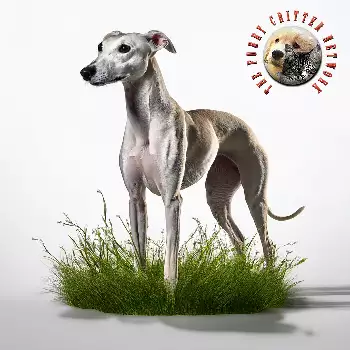

Play Style & Drive

Understanding a Whippet's play style is essential before investing in toys, because this breed does not play the way most people expect a medium-sized dog to play. Whippets are coursing dogs at heart — their instinct is to spot movement, pursue it at top speed, and catch it. This means they are heavily motivated by toys that move, flee, or can be chased. Static toys that just sit on the floor hold limited appeal unless they involve food or a puzzle element.

Whippets tend to play in short, intense bursts followed by extended rest periods. A typical play session might last ten to fifteen minutes at full intensity before the dog decides it is time to return to the couch. This pattern is normal for the breed and should not be mistaken for laziness or disinterest. Owners who expect a Whippet to sustain high-energy play for thirty or forty minutes will be disappointed. Instead, lean into the breed's natural rhythm: offer short, exciting play opportunities multiple times throughout the day.

The prey drive that defines the breed also means Whippets can become fixated on toys that mimic the movement of small animals. Toys that flutter, bounce unpredictably, or can be dragged along the ground tend to trigger the chase instinct effectively. Squeaky toys also hold strong appeal for many Whippets, as the squeak mimics prey sounds and sustains engagement. However, some Whippets will attempt to disembowel a squeaky toy to find and silence the squeaker, so supervision is warranted with these products.

Social play is another important dimension. Whippets generally enjoy playing with other dogs, particularly other sighthounds, and many of their favorite games involve parallel running, body bumping, and mock chasing. Having toys that facilitate multi-dog play — such as long tug ropes or large balls — can enrich the social dynamics of a multi-pet household.

Interactive & Puzzle Toys

Puzzle toys and interactive feeders are excellent enrichment tools for Whippets, particularly on days when outdoor exercise is limited by weather or schedule. These products engage the dog's mind, slow down eating, and provide a constructive outlet for energy that might otherwise manifest as restlessness or minor mischief. Whippets are intelligent dogs that learn quickly, so starting with beginner-level puzzles and progressing to more complex designs keeps the challenge fresh.

Snuffle mats are one of the simplest and most effective interactive products for Whippets. These fabric mats with deep folds and pockets hide kibble or treats, requiring the dog to use its nose to locate the food. Whippets are sight-oriented rather than scent-oriented compared to hound breeds, so snuffle mats provide a valuable opportunity to develop their olfactory skills in a low-pressure, rewarding context.

Sliding-tile and compartment-style puzzle toys offer a step up in difficulty. These products require the dog to manipulate levers, lids, or sliding pieces to access hidden treats. Most Whippets can solve beginner and intermediate puzzles quickly, so investing in a product with adjustable difficulty or multiple challenge levels provides longer-term value. Rotating puzzle toys on a weekly basis also prevents the dog from memorizing solutions and losing interest.

Lick mats spread with a thin layer of peanut butter, yogurt, or wet food provide a calming, focused activity that is particularly useful during stressful situations such as thunderstorms, fireworks, or periods when the owner is away. The repetitive licking action has a soothing effect on most dogs, and the time required to clean the mat thoroughly keeps the Whippet occupied far longer than simply eating the same quantity of food from a bowl.

Chew Toys & Durability

Whippets are not heavy chewers compared to breeds like pit bulls, Labrador retrievers, or German shepherds. Their jaws are built for gripping prey during a chase rather than sustained powerful chewing, which means most Whippets are moderate chewers at most. This is good news from a durability standpoint — Whippet owners generally do not need to invest in the most heavy-duty chew toys on the market.

Rubber chew toys in the medium firmness range tend to be ideal for Whippets. Products that are too hard can risk cracking teeth, while very soft toys will be shredded quickly and may pose a choking hazard. Look for toys made from natural rubber or durable thermoplastic that have some give when squeezed but return to their original shape. Hollow chew toys that can be stuffed with treats or frozen food add an interactive element that extends engagement time significantly.

Dental chew toys with textured surfaces serve a dual purpose, satisfying the urge to chew while helping to reduce plaque and tartar buildup. Whippets are not particularly prone to dental disease compared to flat-faced breeds, but proactive dental care through appropriate chew toys contributes to long-term oral health. Look for toys with ridges, nubs, or bristle-like textures that massage the gums and scrape tooth surfaces during normal chewing.

Supervision remains important even with moderate chewers. Any toy that begins to break apart into small pieces should be removed and replaced immediately. Whippets have lean, narrow digestive tracts, and swallowed toy fragments can cause blockages that require veterinary intervention. Regular inspection of toys for wear, cracks, and loose components is a simple habit that prevents avoidable emergencies.

Fetch & Outdoor Toys

Fetch is one of the best activities for a Whippet, as it taps directly into their chase instinct and allows them to sprint at full speed in a controlled context. The ideal fetch toy for a Whippet is lightweight enough to throw a long distance, visible against grass or dirt, and soft enough to be picked up comfortably by their narrow jaws. Tennis balls are a classic choice, though some owners prefer slightly smaller or softer balls that are easier for the Whippet's mouth to grip.

Ball launchers — both manual lever-style and automatic models — extend the range of a throw and reduce the physical demand on the owner. For Whippets, maximum throwing distance is a real advantage, as these dogs can cover thirty yards in seconds and benefit from the full-speed pursuit that a long throw provides. Automatic ball launchers set to a medium or long distance can be useful for solo play in a fenced yard, though not all Whippets take to the machine immediately and may need gradual introduction.

Flirt poles are perhaps the single most effective outdoor toy for Whippets. These long poles with a rope and lure attached to the end mimic the movement of prey and trigger an intense, focused chase response. A few minutes with a flirt pole can provide the same level of physical exertion as a much longer walk. They are especially useful for Whippets that live in areas without access to large fenced spaces, as the toy can be used effectively in a relatively small yard.

Flying disc toys can work for Whippets, but the breed is not a natural disc dog in the way border collies or Australian shepherds are. Soft, flexible discs made from fabric or pliable rubber are safer for Whippets than hard plastic models, which can injure teeth or gums on a mistimed catch. Many Whippets enjoy chasing a rolling disc along the ground more than catching one in the air, which aligns with their ground-level pursuit instincts.

Comfort & Companion Toys

Whippets have a strong nesting instinct and often form attachments to soft comfort toys that serve as companions during rest periods. Plush toys, stuffed animals, and soft fabric toys are perennial favorites for the breed, and many Whippets will carry a beloved plush toy to their bed, tuck it under a blanket, or gently hold it while sleeping. This behavior is endearing and entirely normal for the breed.

When selecting plush toys, look for products with reinforced seams and minimal small parts. Even though Whippets are not aggressive destroyers, they will mouth and knead plush toys regularly, and weakly constructed products will come apart at the seams over time. Toys with embroidered features rather than glued-on plastic eyes or noses are safer, as there are no small components to detach and become choking hazards.

Heated comfort toys can be particularly soothing for Whippets, especially puppies adjusting to a new home or adult dogs that experience separation anxiety. Microwavable inserts that provide gentle warmth simulate the presence of a littermate or companion and can make crate time or alone time less stressful. Some products also include a heartbeat simulator, which adds another layer of comfort through rhythmic vibration.

Rotating comfort toys periodically helps maintain interest without requiring a constant supply of new products. Putting a toy away for a few weeks and then reintroducing it often sparks renewed enthusiasm. Keeping two or three plush toys in active rotation while storing others ensures the Whippet always has a fresh favorite without the cost and clutter of an ever-growing toy collection.

DIY & Budget Options

Not every enrichment opportunity requires a purchased product. Whippets respond well to simple, homemade solutions that stimulate their minds and satisfy their instincts. A muffin tin with tennis balls covering treats hidden in each cup creates an instant puzzle toy that most Whippets find engaging. A cardboard box filled with crumpled newspaper and scattered kibble becomes a foraging activity that can occupy a Whippet for fifteen to twenty minutes.

Old towels and t-shirts can be braided into tug toys that are surprisingly durable for a moderate chewer like a Whippet. These fabric toys are free, easy to replace, and can be tossed in the washing machine when they get dirty. Knotted socks — without any small objects inside — also make acceptable fetch and comfort toys for Whippets that enjoy carrying soft items around the house.

Frozen enrichment is another cost-effective strategy. A silicone mold filled with a mixture of plain yogurt, mashed banana, and a few pieces of kibble, then frozen overnight, provides a long-lasting treat that doubles as a hot-weather cooling activity. Similarly, freezing a small amount of low-sodium broth in a bowl with a few treats suspended inside creates an ice block that the dog can lick and paw at as it melts.

For outdoor enrichment on a budget, a simple game of hide-and-seek taps into the Whippet's visual tracking ability. Having one family member hold the dog while another hides in the yard or house, then releasing the dog to find the hidden person, provides mental stimulation, physical exercise, and social bonding without any equipment at all. Varying the hiding spots and increasing difficulty over time keeps the game challenging and rewarding.

Always consult a qualified professional before making any health-related decisions. This content is provided for informational reference only and should not replace professional guidance specific to your animal.