
Nutritional Needs

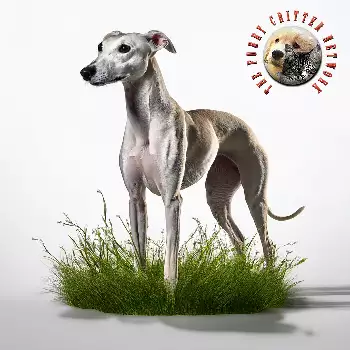
Whippets are sighthounds built for speed, and their dietary needs reflect that lean, muscular physique. They carry very little body fat compared to most breeds, which means their food must deliver high-quality protein and adequate fat without excess filler that could lead to digestive upset or unwanted weight gain. A diet that prioritizes animal-based protein sources supports the maintenance of their sleek muscle mass and fuels their bursts of intense activity.

Because Whippets have fast metabolisms relative to their size, they can burn through calories quickly, especially if they are active or live in cooler climates. Their thin coats and low body fat mean they expend more energy regulating body temperature than heavily coated breeds. This makes caloric density an important factor when selecting food — a formula that packs sufficient nutrition into a moderate volume helps prevent the need for oversized portions that could strain their narrow, deep-chested frames.

Whippets are also prone to certain sensitivities, including skin irritation and digestive issues, so foods with limited, easily identifiable ingredient lists tend to work well for the breed. Omega-3 and omega-6 fatty acids are particularly beneficial for maintaining their short, fine coat in good condition and supporting joint health. Glucosamine and chondroitin can also be helpful additions given the stress that sprinting places on their joints over time.

It is worth noting that Whippets can be somewhat finicky eaters. Unlike breeds that will devour anything placed in front of them, Whippets sometimes need a bit of encouragement or variety. Understanding this tendency early on helps owners avoid the trap of constantly switching foods, which can itself cause digestive problems. A consistent, high-quality base diet with occasional rotation of toppers or mix-ins is generally the most effective approach.

What to Look For

When evaluating food products for a Whippet, the first thing to check is the protein source. Look for a named animal protein as the first ingredient — such as chicken, turkey, lamb, or fish — rather than vague terms like "meat meal" or "animal by-products." Whippets thrive on diets where protein accounts for roughly 25 to 30 percent of the formula, though active or performance-level Whippets may benefit from slightly higher percentages.

Fat content matters more for Whippets than for many other breeds. Because they lack the insulating body fat of stockier dogs, dietary fat serves as both an energy source and a thermoregulation aid. Look for foods with moderate to moderately high fat content, ideally between 15 and 20 percent, sourced from identifiable fats like chicken fat, fish oil, or flaxseed. Avoid products that rely heavily on vegetable oils as their primary fat source, as these are less biologically appropriate for dogs.

Carbohydrate sources should be digestible and non-inflammatory. Sweet potatoes, peas, lentils, and brown rice are generally well tolerated by Whippets. Corn, wheat, and soy are more likely to trigger sensitivities in this breed, though individual tolerance varies. Grain-free formulas are an option but are not inherently superior — the key is digestibility and nutritional balance rather than the presence or absence of grains as a category.

Finally, look at the overall formulation philosophy. Foods designed for active or athletic breeds often align well with Whippet needs. Avoid formulas marketed as "weight management" or "low calorie" unless specifically directed by a veterinarian, as these can leave a lean Whippet under-nourished. The goal is sustained, efficient energy delivery in a palatable format.

Recommended Dry Food

Dry kibble remains the most practical and economical foundation for a Whippet's diet. When selecting a kibble, prioritize formulas designed for medium-sized, active breeds with lean body types. These products tend to offer the right balance of caloric density, protein concentration, and fat content without the bulk that formulas designed for large or giant breeds carry.

Kibble size is a consideration that owners sometimes overlook. Whippets have relatively narrow muzzles and may struggle with very large kibble pieces. Medium-sized kibble or formulas specifically shaped for medium breeds tend to work best, encouraging proper chewing without making mealtime a chore. Some owners find that their Whippets prefer slightly smaller kibble, which is fine as long as it does not encourage gulping without chewing.

Look for dry foods that include named fat sources and supplemental omega fatty acids, as these contribute to coat health and provide the caloric density Whippets need. Formulas that include chelated or proteinated minerals are also preferable, as these forms are more bioavailable and support overall nutrient absorption. Probiotic coatings or added digestive enzymes are a bonus for Whippets with sensitive stomachs.

Storage matters as well. Because Whippets eat moderate portions, a large bag of kibble may last a long time, and fat-rich formulas can go rancid if not stored properly. An airtight container kept in a cool, dry location helps preserve freshness and palatability throughout the life of the bag.

Wet & Fresh Options

Wet food and fresh-prepared meals can be excellent additions to a Whippet's diet, either as a topper to dry kibble or as a standalone feeding option. The higher moisture content of wet food supports hydration, which is beneficial for Whippets that may not drink as much water as they should on their own. The stronger aroma and softer texture of wet food also appeal to picky eaters, making it a useful tool for encouraging consistent eating habits.

Fresh and refrigerated dog food products have become increasingly popular, and many of these align well with the Whippet's nutritional profile. These foods typically feature minimally processed, whole-food ingredients with transparent sourcing. They tend to be higher in protein and lower in carbohydrates than many shelf-stable options. The tradeoff is cost and convenience — fresh foods require refrigeration, have shorter shelf lives, and are generally more expensive per serving than kibble.

When using wet food as a topper or mixer, moderation is key. A few tablespoons mixed into dry kibble can significantly increase palatability without dramatically altering the overall nutritional balance. If feeding wet food as the primary diet, ensure the product is labeled as "complete and balanced" rather than "complementary" or "for intermittent feeding," as the latter categories are not formulated to serve as a sole nutrition source.

Homemade fresh diets are another option, but they require careful formulation. Whippets have specific nutritional needs that are difficult to meet consistently without professional guidance. Owners interested in home-prepared meals should work with a veterinary nutritionist to develop a balanced recipe rather than relying on general online guides.

Treats & Supplements

Treats play an important role in training and bonding with a Whippet, but they should be chosen thoughtfully. Because Whippets are lean dogs, excessive treat calories can quickly shift the balance between healthy weight and being overweight, which places unnecessary strain on their slender frames and joints. As a general rule, treats should account for no more than ten percent of daily caloric intake.

Single-ingredient treats work exceptionally well for Whippets. Freeze-dried liver, dehydrated fish skins, and dried sweet potato chews are all high-value options that most Whippets find appealing without the additives, artificial colors, or fillers found in many commercial treat products. These simple treats also tend to be easier on sensitive stomachs, which is a common concern in the breed.

On the supplement side, omega-3 fatty acid supplements derived from fish oil are one of the most universally beneficial additions for Whippets. They support skin and coat health, reduce inflammation, and contribute to joint longevity. Joint supplements containing glucosamine, chondroitin, and MSM are also worth considering, particularly for active Whippets or those entering their senior years, as the repeated impact of sprinting can take a toll on cartilage over time.

Probiotics and digestive enzyme supplements can help Whippets that experience intermittent digestive sensitivity. These products support a healthy gut microbiome and can improve nutrient absorption from food. As with any supplement, it is best to introduce one product at a time and observe the effects over several weeks before adding another.

Foods to Avoid

Certain foods that are harmless to humans pose serious health risks to Whippets and dogs in general. Chocolate, grapes, raisins, onions, garlic, xylitol (a common artificial sweetener), and macadamia nuts are all toxic and should never be accessible to a Whippet. Given the breed's height and curiosity, countertops and tables should be kept clear of these items, as Whippets can easily reach surfaces that smaller breeds cannot.

Beyond the universally toxic foods, Whippets may have individual sensitivities that other breeds tolerate without issue. Dairy products, for example, can cause digestive upset in many Whippets, including gas, loose stools, or vomiting. Similarly, high-fat table scraps like bacon grease or fried foods can trigger pancreatitis, a painful and potentially dangerous condition that lean breeds may be susceptible to despite their low body fat.

Cooked bones are another hazard that applies to all dogs but is worth emphasizing for Whippets. Cooked bones can splinter and cause choking, intestinal blockage, or perforation. Raw bones are a safer option for recreational chewing, but they should always be size-appropriate and offered under supervision. Avoid weight-bearing bones from large animals, as these are dense enough to crack teeth.

Finally, be cautious with foods that are technically safe but nutritionally empty. Excessive bread, pasta, or rice used as filler in a Whippet's diet can displace the protein and fat they actually need. While small amounts of plain carbohydrates are harmless, they should not become a regular substitute for proper dog food.

Feeding Schedule

Most adult Whippets do best on two meals per day, spaced roughly twelve hours apart. This schedule aligns with their metabolism and helps maintain stable blood sugar levels throughout the day. Feeding twice daily also reduces the risk of bloat, a condition where the stomach fills with gas and can twist — a concern for deep-chested breeds like the Whippet, even though they are less prone than some larger sighthounds.

Puppies require more frequent feeding to support their rapid growth and high energy demands. Whippet puppies under four months old should eat three to four times per day, transitioning to three meals around four to six months, and settling into the adult twice-daily schedule by about ten to twelve months of age. During the puppy phase, it is important to feed a formula designed for growth rather than an adult maintenance diet.

Portion sizing for Whippets requires a bit more attention than for breeds with more forgiving body compositions. Because Whippets should always have a visible waist and the last two or three ribs should be faintly visible or easily felt, slight overfeeding becomes apparent quickly. Use the feeding guidelines on the food packaging as a starting point, but adjust based on the individual dog's activity level, age, and body condition. A highly active Whippet that runs daily will need more food than a companion Whippet with a more sedentary lifestyle.

Consistency in feeding times helps Whippets maintain good eating habits. Because the breed can be picky, establishing a routine where food is offered at the same times each day — and removed after fifteen to twenty minutes if uneaten — teaches the dog to eat when food is available rather than grazing sporadically. This approach also makes it easier to monitor appetite changes, which can be an early indicator of health issues.

Always consult a qualified professional before making any health-related decisions. This content is provided for informational reference only and should not replace professional guidance specific to your animal.