
Space Requirements

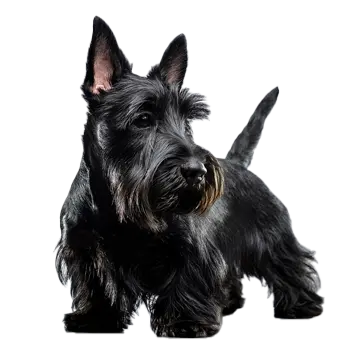
Scottish Terriers are small dogs with big personalities, and their housing needs reflect that combination. Despite their compact size, Scotties are active and curious indoors, often patrolling their living space with the quiet authority of a dog twice their size. They adapt well to apartments and smaller homes, provided they receive adequate daily exercise and mental stimulation outside the home.

A Scottie does not need a large yard to be happy, but they do need a secure one. This breed was originally developed to hunt vermin, and that prey drive remains strong. An unfenced yard or one with gaps in the perimeter is an invitation for a Scottie to go exploring — and once they lock onto a scent, recall can be unreliable. A solid fence at least four feet high is recommended, with attention paid to the base since Scotties are enthusiastic diggers.

Indoors, Scottish Terriers appreciate having a defined space of their own. Whether that is a crate, a bed in a quiet corner, or a dedicated spot in the living room, having a retreat helps satisfy their independent streak. They are not dogs that need to be in the center of activity at all times, and they often prefer to observe from a comfortable vantage point rather than being underfoot.

Consider the layout of your home from a Scottie's perspective. Their short legs and long bodies mean that frequent stair climbing can put strain on their backs over time. If your home has multiple levels, it is worth providing sleeping and resting options on the main floor to reduce unnecessary trips up and down stairs.

Crates & Kennels

Crate training is highly recommended for Scottish Terriers, both for housebreaking purposes and as a long-term management tool. Scotties tend to take well to crates when introduced properly, as the enclosed space appeals to their denning instinct. A crate sized for a small to medium dog — typically around 30 inches in length — provides enough room for an adult Scottie to stand, turn around, and lie down comfortably.

Wire crates offer excellent ventilation and visibility, which suits Scotties who like to keep an eye on their surroundings. Many wire models fold flat for easy transport and come with a removable tray for cleaning. For dogs that prefer a more enclosed, den-like environment, a cover or blanket draped over the crate can create a cozier atmosphere without restricting airflow.

Plastic airline-style crates are another solid option, particularly for travel. They provide a more enclosed feeling that some Scotties find calming, and they meet most airline requirements for cabin or cargo travel. If you plan to fly with your Scottie, check specific airline size requirements well in advance.

Avoid using the crate as a punishment tool. The goal is for your Scottie to view the crate as a positive, safe space. Place comfortable bedding inside, offer treats and meals in the crate, and keep sessions short and positive during the introduction period. Most adult Scotties should not spend more than four to six hours at a stretch in a crate during the day.

Beds & Sleeping Areas

Scottish Terriers are not fussy sleepers, but providing the right bed can support their physical health, especially as they age. Orthopedic beds with memory foam or supportive filling are a wise investment for Scotties, whose elongated backs can develop issues over time. A bed with raised edges or bolsters is often preferred, as many Scotties like to curl up with their head resting on a cushioned rim.

Size the bed appropriately — large enough that your Scottie can stretch out fully, but snug enough to feel secure. A bed measuring roughly 24 to 30 inches in length works well for most adults. Avoid oversized beds that may feel too open for a breed that naturally gravitates toward enclosed, cozy spaces.

Washability is a practical consideration. Scottish Terriers have a dense double coat that sheds moderately and can carry dirt and debris from outdoor adventures. A bed with a removable, machine-washable cover simplifies maintenance and helps keep odors under control. Waterproof liners are a useful feature for puppies or senior dogs that may have occasional accidents.

Place the bed in a quiet area away from high-traffic zones and drafts. Scotties appreciate consistency, so once you find a spot your dog likes, keep it there. Some owners find that their Scottie gravitates toward a specific room or corner regardless of where the bed is placed — in that case, move the bed to the dog rather than trying to redirect the dog to the bed.

Outdoor Enclosures

If you have outdoor space, a secure enclosure can give your Scottish Terrier a safe area to explore, sniff, and patrol without constant supervision. Scotties are naturally vigilant and enjoy spending time outdoors surveying their territory. A fenced run or enclosed patio area works well, provided the fencing is secure at both the top and the bottom.

Digging is a deeply ingrained behavior in Scottish Terriers, so any outdoor enclosure needs reinforcement along the base. Burying hardware cloth or welded wire mesh a few inches below the fence line can prevent escape attempts. Some owners install a concrete or paver border along the fence perimeter for added security. If you allow your Scottie access to garden areas, expect some landscaping casualties — these dogs dig with purpose and enthusiasm.

Shade and shelter are essential components of any outdoor enclosure. Scotties have a dark, dense coat that absorbs heat quickly, making them susceptible to overheating in warm weather. A covered area, shade cloth, or access to a sheltered structure ensures your dog can retreat from direct sun. Fresh water should always be available in the outdoor space.

For owners in urban or suburban settings without a traditional yard, a balcony enclosure or enclosed porch can serve as a modified outdoor space. Ensure that any elevated outdoor area has secure railings and no gaps large enough for a small dog to squeeze through. Even well-behaved Scotties can surprise you with their ability to fit through improbably small openings.

Climate Considerations

The Scottish Terrier's double coat — a dense, soft undercoat beneath a harsh, wiry outer coat — provides good insulation in cool and cold weather. This breed was developed in the Scottish Highlands, and they generally handle cooler temperatures well. However, their short legs mean their undersides are close to cold or wet ground, which can lead to discomfort in snow, ice, or heavy rain without some accommodation.

In cold climates, a waterproof coat or jacket can help protect your Scottie during winter walks, particularly if the dog has been recently groomed and the coat is shorter than usual. Paw protection is also worth considering, as ice, salt, and chemical de-icers can irritate paw pads. Booties or a paw wax applied before outings provide a barrier against these irritants.

Heat is the more significant concern for Scottish Terriers. Their dark coats and compact build make them vulnerable to heat stress, and they should never be left outdoors without shade during warm months. Limit vigorous exercise to the cooler parts of the day — early morning and evening — and watch for signs of overheating such as excessive panting, drooling, or reluctance to move.

Indoor climate control matters too. In homes without air conditioning, provide cooling options like elevated mesh beds that allow air to circulate beneath the dog, cooling mats, or access to tile or hardwood floors. Scottish Terriers tend to seek out the coolest spot in the house on warm days, so make sure they have options.

Multi-Pet Households

Scottish Terriers can live successfully in multi-pet households, but introductions and ongoing management require some thought. Scotties are confident and can be territorial, which means they may not automatically defer to a larger or more established pet. Same-sex pairings, particularly two intact males, can be especially challenging and may lead to conflict. Careful, gradual introductions are essential.

If you have other dogs, provide separate feeding stations and individual resting areas to reduce resource guarding. Scottish Terriers can be possessive of their food, toys, and sleeping spots, and competition over these resources is a common trigger for tension. Giving each dog their own crate or bed in a distinct area of the home goes a long way toward maintaining peace.

Scottish Terriers and cats can coexist, but the Scottie's terrier prey drive should be taken seriously. A cat that runs may trigger a chase response, particularly in a young or under-exercised Scottie. Supervised interactions during the adjustment period and providing the cat with elevated escape routes and dog-free zones are standard best practices.

Small animals like rabbits, hamsters, or guinea pigs should be housed securely and kept in areas the Scottie cannot access unsupervised. The breed's ratting heritage means their instinct to pursue small, fast-moving animals is strong, and even a well-socialized Scottie may not be trustworthy around pocket pets. Secure enclosures with latches the dog cannot open are non-negotiable in homes with both Scotties and small animals.

Always consult a qualified professional before making any health-related decisions. This content is provided for informational reference only and should not replace professional guidance specific to your animal.