
Collars, Harnesses & Leashes

Choosing the right collar and leash setup for a Scottish Terrier requires understanding the breed's physical build and walking temperament. Scotties have relatively thick, muscular necks and a low center of gravity, which means a standard flat collar can work well for carrying identification tags but may not be the best choice for leash attachment during walks. When a Scottie locks onto a scent or decides to pull, a collar can put excessive pressure on the trachea.

A harness is generally the better option for walking a Scottish Terrier. Look for a front-clip or dual-clip harness that distributes pressure across the chest and shoulders rather than concentrating it on the neck. The harness should fit snugly without restricting movement — Scotties have deep chests and short legs, so a harness designed for small but sturdy breeds will fit better than one designed for toy or narrow-chested dogs.

Leash length matters for Scotties. A standard six-foot leash provides enough freedom for sniffing and exploration while maintaining control. Retractable leashes are generally not recommended, as they offer inconsistent tension and can encourage pulling. Scotties that chase squirrels or react to other dogs are difficult to manage on a retractable leash, and the thin cord can cause burns or cuts if it wraps around a leg or hand.

For identification, keep a well-fitted flat collar with an up-to-date ID tag on your Scottie at all times, even if you use a separate harness for walks. The collar should be snug enough that it cannot slip over the head but loose enough to fit two fingers between the collar and the dog's neck. Breakaway collars are an option for dogs left unsupervised, as they release if snagged on an object.

Grooming Tools

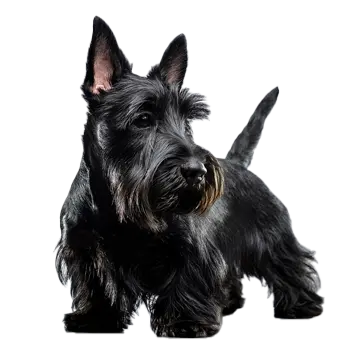
The Scottish Terrier's distinctive coat requires a specific set of grooming tools and a consistent maintenance routine. The breed has a hard, wiry outer coat over a dense, soft undercoat, and maintaining this texture requires different tools than you would use on a smooth or long-coated breed. Hand-stripping — the process of pulling dead outer coat hairs by hand or with a stripping knife — is the traditional grooming method that preserves the proper coat texture and color.

A stripping knife or stripping stone is the primary tool for maintaining a show-quality Scottie coat. For pet owners who prefer not to hand-strip, a combination of regular brushing and professional clipping every six to eight weeks will keep the coat manageable. Be aware that repeated clipping softens the coat texture over time, which is a cosmetic rather than health concern. A slicker brush and a medium-toothed metal comb are essentials for weekly brushing to prevent mats and remove loose undercoat.

Scottie grooming also requires attention to the breed's signature facial furnishings. The long eyebrows and beard need regular combing to prevent tangles and food debris buildup. A fine-toothed comb or a small slicker brush works well for facial hair. Some owners trim around the eyes for hygiene purposes, using blunt-tipped grooming scissors to avoid injury.

Nail maintenance is important for any breed, but especially for Scotties whose low-slung build means their nails can affect gait and posture. A quality nail grinder or clipper designed for small to medium dogs should be part of your grooming kit. If you can hear nails clicking on hard floors, they are overdue for a trim. Ear cleaning supplies and dog-specific toothbrushes with enzymatic toothpaste round out the essential grooming toolkit.

Bowls & Feeders

The right bowl setup can make mealtime more comfortable and hygienic for your Scottish Terrier. Elevated feeders are worth considering for Scotties, as their short legs and compact build mean that eating from a bowl on the floor requires bending the neck at a steep angle. A slightly raised feeder — two to four inches off the ground — can improve posture during meals and reduce strain on the neck and shoulders.

Stainless steel bowls are the gold standard for durability and hygiene. They resist bacteria buildup, do not absorb odors, and are dishwasher safe. Ceramic bowls are another good option, offering weight and stability that prevents the bowl from sliding around during enthusiastic eating. Avoid plastic bowls, which can harbor bacteria in scratches, may cause contact allergies that lead to chin acne, and are easily chewed or tipped.

Slow-feeder bowls are useful for Scotties that eat too quickly. These bowls feature ridges, mazes, or raised patterns that force the dog to work around obstacles to access their food. Slowing down eating reduces the risk of bloating, choking, and vomiting, and adds a mild enrichment element to an otherwise routine activity.

Water bowls deserve equal attention. Scotties with long beards tend to drip water everywhere after drinking, and a no-splash or no-drip water bowl can reduce the mess. Some owners prefer water bottle-style dispensers that limit beard soaking. Regardless of the style, fresh water should be available at all times, and bowls should be cleaned daily to prevent bacterial growth.

Travel Gear

Scottish Terriers are portable dogs by size, but their confident and sometimes stubborn personalities can make travel challenging without the right gear. A well-fitted travel crate or carrier is the foundation of safe travel. For car trips, a crash-tested crate secured in the back seat or cargo area provides the best protection. For shorter errands, a car harness that attaches to the seatbelt system can keep your Scottie restrained without the bulk of a crate.

For air travel, familiarize yourself with airline-specific requirements well before your trip. Most Scotties are small enough to travel in-cabin in a soft-sided carrier that fits under the seat, though weight limits vary by airline. A carrier with mesh ventilation panels, a sturdy base, and a leakproof bottom is ideal. Get your Scottie comfortable with the carrier at home before the travel date by using it as a resting spot with treats and familiar bedding.

A travel water bottle with an attached bowl is a practical accessory for any outing. Scotties can be particular about drinking from unfamiliar sources, and having their own water supply ensures they stay hydrated. Collapsible silicone bowls are lightweight and packable for food and water on longer trips.

Do not overlook car safety basics. Never leave a Scottish Terrier unattended in a parked car, even in mild weather — their dark coats and dense undercoat make them especially vulnerable to heat. A sunshade for the car window, a cooling mat for the crate, and a plan for rest stops every two to three hours on long drives will keep road trips safe and comfortable for your Scottie.

Safety & ID

Keeping your Scottish Terrier safe and identifiable is a non-negotiable part of responsible ownership. Microchipping is the single most reliable form of permanent identification. A microchip, implanted by a veterinarian during a routine office visit, contains a unique ID number linked to your contact information in a national registry. Unlike collars and tags, a microchip cannot fall off, be removed, or become unreadable over time.

ID tags remain essential as the first line of identification for a found dog. A durable tag engraved with your dog's name, your phone number, and your city or zip code allows anyone who finds your Scottie to contact you immediately without needing a scanner. Consider adding a second tag with your veterinarian's contact information. Silicone tag silencers can reduce the jingling noise that some dogs and owners find annoying.

Reflective and LED accessories improve visibility during early morning, evening, and nighttime walks. Scotties are low to the ground and often dark-colored, making them difficult for drivers and cyclists to see in low-light conditions. A reflective harness, collar, or clip-on LED light significantly reduces the risk of accidents. Some owners also use reflective leashes for added visibility.

If you live near roads or in an area with wildlife, consider a GPS tracker that attaches to your Scottie's collar. These devices provide real-time location data through a smartphone app and can alert you if your dog leaves a designated safe zone. Given the Scottie's prey drive and occasional talent for escaping fenced areas, a GPS tracker offers valuable peace of mind. Battery life and coverage area vary by product, so compare options carefully based on your specific needs.

Seasonal Gear

Scottish Terriers benefit from seasonal gear adjustments to stay comfortable throughout the year. In winter, a waterproof coat or jacket protects against rain, sleet, and wet snow. While the Scottie's double coat provides natural insulation, the underside of the body — which sits close to the ground — is exposed to cold and moisture during walks. A coat that covers the chest and belly without restricting leg movement is ideal for cold-weather outings.

Paw protection becomes important in both winter and summer extremes. In winter, ice-melt chemicals and road salt can irritate paw pads, and snowballs can form in the hair between the toes. Dog booties or a paw wax applied before walks provide protection. In summer, hot pavement can burn paw pads — if the surface is too hot for your bare hand held flat for five seconds, it is too hot for your Scottie's feet.

Summer gear for Scottish Terriers should focus on heat management. Cooling vests that use evaporative technology can lower body temperature during warm-weather activities. Portable water dispensers, shade structures for outdoor events, and cooling mats for indoor use all help manage heat stress. Schedule outdoor activities for early morning or late evening during peak summer months.

Rain gear is a practical addition for Scotties in wet climates. A lightweight, water-resistant coat keeps the dense undercoat from becoming waterlogged, which can take hours to dry and creates an environment for skin irritation. Some owners also keep a set of absorbent towels and a microfiber drying coat by the door for quick post-walk drying sessions. Regular coat maintenance during wet seasons helps prevent the musty odor that can develop in a damp double coat.

Always consult a qualified professional before making any health-related decisions. This content is provided for informational reference only and should not replace professional guidance specific to your animal.