
Nutritional Needs

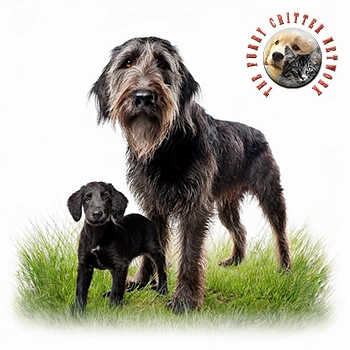
The Otterhound is a large, powerfully built scent hound originally bred for long days of tracking along riverbanks and through cold water. That working heritage translates into a robust metabolism and a body that thrives on balanced, calorie-appropriate nutrition. Adults typically weigh between 80 and 115 pounds, and their dense double coat, heavy bone structure, and deep chest all place particular demands on their diet.

Protein should form the foundation of any Otterhound diet. Look for formulas where a whole animal protein source appears as the first ingredient, and aim for a minimum crude protein level around 22 to 26 percent for adult dogs. Because the breed can be prone to weight gain if overfed or under-exercised, a moderate fat content in the range of 12 to 16 percent is generally appropriate for most adults. Working or highly active Otterhounds may benefit from slightly higher fat levels to support sustained energy.

Calcium, phosphorus, and glucosamine deserve attention given the breed's size and the joint stress that comes with it. Large-breed formulas are often calibrated to deliver appropriate calcium-to-phosphorus ratios, which is especially important during the growth phase. Omega-3 fatty acids from marine sources also support joint lubrication, skin health underneath that characteristic rough coat, and overall inflammatory balance.

Otterhounds are deep-chested dogs, which places them in a higher risk category for gastric dilatation-volvulus. While food alone does not prevent bloat, the type and timing of meals can influence risk. Feeding two or three measured meals rather than one large daily portion, avoiding elevated bowls unless directed by a veterinarian, and discouraging vigorous exercise immediately after eating are all prudent strategies that begin with choosing the right food and feeding routine.

What to Look For

When evaluating food options for an Otterhound, ingredient quality matters more than marketing claims on the bag. A named animal protein — such as chicken, lamb, salmon, or beef — should appear first on the ingredient list, not a vague term like "meat meal" or "animal by-products." Whole grains, legumes, or other complex carbohydrates should provide sustained energy rather than quick-burning fillers like corn syrup or excessive wheat gluten.

Avoid formulas that rely heavily on artificial preservatives, colors, or flavor enhancers. Natural preservation methods using tocopherols or rosemary extract are preferable. Similarly, look for identifiable fat sources — "chicken fat" is transparent, while "animal fat" is not. The ingredient panel should read like a list of recognizable foods, not a chemistry textbook.

Large-breed-specific formulas are worth considering because they account for the slower growth rate, joint support needs, and caloric density appropriate for bigger dogs. These formulas typically include controlled calcium levels and may incorporate glucosamine and chondroitin at maintenance doses. However, an all-life-stages formula can also work well as long as it meets the nutritional guidelines established by AAFCO for large breeds.

Pay attention to the guaranteed analysis panel and compare it with the feeding guidelines. Some foods are calorie-dense and require smaller portions, while others are less concentrated. For a breed that can be enthusiastic about mealtimes, choosing a moderately calorie-dense food allows you to serve a satisfying volume without overshooting daily caloric targets.

Recommended Dry Food

Dry kibble remains the most practical and shelf-stable option for feeding an Otterhound. A high-quality large-breed formula with a protein content in the mid-twenties and moderate fat is a strong starting point. Kibble size matters for this breed — larger pieces encourage chewing rather than gulping, which can reduce the speed of eating and may help mitigate bloat risk.

Grain-inclusive formulas built around brown rice, oatmeal, or barley tend to provide reliable energy and digestive regularity. While grain-free diets have their place for dogs with confirmed grain sensitivities, the majority of Otterhounds do well on grain-inclusive recipes. If you are considering grain-free, discuss it with your veterinarian first, particularly given ongoing research into the relationship between certain grain-free diets and cardiac health in large breeds.

Rotational feeding — switching between two or three compatible dry formulas over time — can help expose your Otterhound to a broader nutrient profile and reduce the likelihood of developing sensitivities to a single protein source. When rotating, transition gradually over seven to ten days to avoid digestive upset. This approach also keeps mealtimes interesting for a breed that can be food-motivated.

For Otterhounds that eat too quickly, slow-feeder bowls or puzzle dispensers can turn kibble meals into a paced activity. This is not just a behavioral enrichment strategy — it is a practical health measure for a deep-chested breed. Some owners also find success with spreading kibble across a flat baking sheet or snuffle mat to naturally slow intake.

Wet & Fresh Options

Wet food and fresh-prepared diets can be valuable additions to an Otterhound's nutrition plan, whether used as a complete meal or as a topper to enhance dry kibble. Wet food generally contains higher moisture content, which supports hydration — a useful benefit for a breed that may not always drink enough water on its own, especially during cooler months when thirst drive drops.

Canned formulas with identifiable protein chunks or pâté-style textures both work well. As with dry food, prioritize named protein sources and avoid products with excessive fillers, gums, or artificial additives. Wet food can also be useful for older Otterhounds with dental issues or reduced appetite, as the softer texture and stronger aroma tend to increase palatability.

Fresh and refrigerated dog food options have expanded significantly in recent years. These products typically use minimally processed, human-grade ingredients and are flash-cooked or gently prepared to retain nutritional value. They tend to be more expensive per serving than kibble, but many owners use them as a rotational component rather than a sole diet. A few spoonfuls of fresh food mixed into kibble can improve the overall nutrient variety and make meals more appealing.

If you prepare homemade meals for your Otterhound, it is essential to work with a veterinary nutritionist to ensure the recipes are complete and balanced. Large breeds have specific requirements for calcium, phosphorus, and certain vitamins that are easy to get wrong in home-prepared diets. Even well-intentioned home cooking can lead to deficiencies or excesses over time without professional formulation.

Treats & Supplements

Treats serve a dual purpose for Otterhounds: they are effective training rewards and they provide an opportunity to supplement the diet with targeted nutrients. Because this breed responds well to food-based motivation, treats can be a powerful tool during obedience work and scent training. However, treats should not exceed roughly ten percent of the dog's total daily caloric intake to avoid weight imbalance.

Single-ingredient treats — such as freeze-dried liver, dehydrated sweet potato, or dried fish skins — are excellent choices because they deliver protein or fiber without added sugars, salts, or artificial ingredients. For Otterhounds that are enthusiastic chewers, long-lasting chews made from natural sources can also provide dental benefits by mechanically scrubbing teeth during the chewing process.

Joint supplements containing glucosamine, chondroitin, and MSM are commonly recommended for large breeds and may be particularly relevant for Otterhounds given their size and active nature. Omega-3 supplements derived from fish oil or algae can support coat health — important for maintaining the Otterhound's distinctive rough, oily double coat — as well as joint and cardiovascular function. Probiotics are another category worth exploring if your dog experiences intermittent digestive sensitivity.

Always introduce supplements one at a time and observe for any adverse reactions over a week or two before adding another. Some supplements interact with medications or can cause digestive upset at higher doses. Your veterinarian can help identify which supplements, if any, are appropriate based on your Otterhound's age, activity level, and health status.

Foods to Avoid

Certain common human foods are toxic to dogs and should never be offered to an Otterhound, regardless of how persuasive those soulful eyes may be. Chocolate, grapes, raisins, onions, garlic, macadamia nuts, and xylitol — a sugar substitute found in many sugar-free products — are all dangerous and can cause reactions ranging from gastrointestinal distress to organ failure.

Cooked bones, especially poultry bones, can splinter and cause choking, intestinal blockages, or perforations. Raw bones are sometimes offered under supervision, but they carry their own risks including bacterial contamination and tooth fractures. If you choose to offer any bone product, select size-appropriate raw recreational bones and always supervise the chewing session.

High-fat table scraps are a particular concern for large breeds. Fatty trimmings, bacon grease, and buttery foods can trigger pancreatitis, a painful and potentially serious condition. Otterhounds can be opportunistic eaters, so securing trash cans and keeping countertops clear of food is an important part of dietary management. Their height and curiosity make counter-surfing a real possibility.

Some dogs develop sensitivities or allergies to specific proteins or grains over time. If your Otterhound shows signs of chronic ear infections, persistent itching, hot spots, or recurring digestive issues, a veterinarian-guided elimination diet can help identify the offending ingredient. Avoid self-diagnosing food allergies and removing entire food groups without professional guidance, as this can lead to nutritional gaps.

Feeding Schedule

Adult Otterhounds do best on two measured meals per day, typically morning and evening. This twice-daily schedule helps maintain stable blood sugar, supports consistent digestion, and reduces the volume of food consumed at any one sitting — an important consideration for bloat prevention in deep-chested breeds. Some owners prefer to split the daily ration into three smaller meals, which is perfectly acceptable and may further reduce bloat risk.

Puppies require more frequent feeding — three to four meals per day up to about six months of age, then transitioning to three meals until roughly one year, and finally settling into the adult twice-daily schedule. Large-breed puppy formulas with controlled calcium levels are important during the growth phase to support steady, sustainable skeletal development rather than rapid growth that can stress developing joints.

Portion control is critical for this breed. While Otterhounds are active dogs, they can gain weight if portions creep upward or if treat intake is not accounted for in the daily calorie budget. Use a kitchen scale or measuring cup for consistency, and adjust portions based on body condition rather than relying solely on the feeding guidelines printed on the bag, which are starting estimates at best.

Monitor your Otterhound's body condition regularly by checking the rib area — you should be able to feel the ribs with light pressure but not see them prominently. A visible waistline when viewed from above and a slight abdominal tuck when viewed from the side indicate a healthy weight. Senior Otterhounds may need reduced caloric intake as their activity level naturally declines, and a discussion with your veterinarian about transitioning to a senior-appropriate formula is worthwhile around age seven or eight.

Always consult a qualified professional before making any health-related decisions. This content is provided for informational reference only and should not replace professional guidance specific to your animal.