
Nutritional Needs

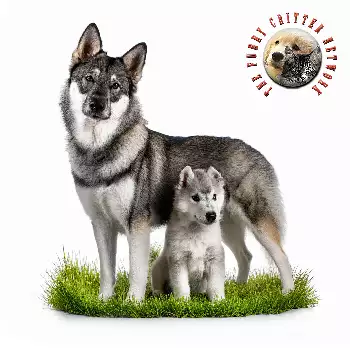
The Norwegian Elkhound is a medium-sized spitz breed originally developed for big-game hunting in Scandinavia. Their working heritage means they have a moderately high metabolism and require a diet that supports sustained energy, lean muscle maintenance, and joint health. Most adult Elkhounds do well on a diet that delivers around 25 to 30 percent protein from quality animal sources and 12 to 18 percent fat, though exact ratios depend on the individual dog's activity level and age.

Because Elkhounds were bred to work in cold climates, their bodies are efficient at storing energy, which makes them particularly prone to weight gain when overfed or under-exercised. Caloric intake should be carefully managed, especially for dogs that live primarily indoors or have a more sedentary routine. An overweight Elkhound faces increased risks of hip dysplasia, kidney issues, and reduced overall mobility.

Puppies require higher protein and fat percentages to support rapid growth, but it is important to avoid foods that accelerate growth too quickly, as this can stress developing joints. Senior Elkhounds benefit from formulas that include joint-supporting nutrients like glucosamine and omega-3 fatty acids, along with moderate calorie counts to prevent age-related weight gain.

Elkhounds can be sensitive to certain grains and fillers, so monitoring your dog for signs of food intolerance — itchy skin, digestive upset, or ear infections — is wise when introducing any new diet. Some owners find that limited-ingredient formulas work best for Elkhounds with confirmed sensitivities.

What to Look For

When selecting a food for your Norwegian Elkhound, the first ingredient should always be a named animal protein such as chicken, salmon, lamb, or bison. Avoid products that list vague terms like "meat meal" or "animal by-products" as primary ingredients, as these offer less nutritional transparency and often indicate lower-quality sourcing.

Look for formulas that include whole grains or digestible carbohydrate sources like sweet potato, brown rice, or oats. These provide steady energy without causing blood sugar spikes. If your Elkhound has grain sensitivities, grain-free options that rely on legumes or root vegetables can work, though you should discuss this choice with your veterinarian given ongoing research into grain-free diets and heart health in dogs.

Healthy fat sources are critical for maintaining the Elkhound's thick double coat. Ingredients like fish oil, flaxseed, and chicken fat provide essential fatty acids that promote coat luster and skin integrity. A food that includes at least one dedicated omega-3 source is a strong indicator of a well-formulated product.

Avoid foods with artificial colors, flavors, or chemical preservatives like BHA, BHT, or ethoxyquin. Natural preservation methods using tocopherols (vitamin E) or rosemary extract are preferable and widely available in quality formulas.

Recommended Dry Food

Dry kibble is the most practical everyday food for Norwegian Elkhounds. It supports dental health through the mechanical action of chewing, stores easily, and is cost-effective for medium-sized breeds. Look for a kibble formulated for medium-breed active dogs, which typically offers the right balance of protein, fat, and calorie density for this breed's build.

Kibble size matters more than many owners realize. Elkhounds have moderately sized mouths, and a medium-sized kibble encourages proper chewing rather than gulping. Some Elkhounds eat quickly, which can lead to bloating, so a kibble that requires more effort to break down can slow feeding pace naturally.

For active or working Elkhounds, a performance-tier dry food with protein levels around 28 to 32 percent and fat around 18 to 20 percent provides the caloric density needed for sustained physical activity. Companion Elkhounds with average activity levels should aim for maintenance formulas with slightly lower fat content to prevent gradual weight creep.

Rotating between two or three well-tolerated kibble formulas every few months can provide nutritional variety and reduce the risk of developing sensitivities to any single protein source. Transition gradually over seven to ten days when switching to avoid digestive upset.

Wet & Fresh Options

Wet food can be an excellent supplement or primary diet for Norwegian Elkhounds, particularly for dogs with dental issues, reduced appetite, or those who need additional hydration. Canned foods generally contain fewer carbohydrates and more moisture than kibble, which can benefit dogs prone to urinary issues or those that don't drink enough water on their own.

Fresh and refrigerated dog food options have become increasingly popular and can be a strong choice for Elkhounds. These products typically use minimally processed, whole-food ingredients and avoid the high-heat extrusion process used in kibble manufacturing. The result is often a more nutrient-dense and palatable meal, though the higher cost and shorter shelf life are practical considerations.

If using wet food as a topper rather than a complete meal, be sure to adjust the kibble portion accordingly to avoid overfeeding. A common approach is to replace roughly 25 percent of the kibble serving with an equivalent caloric portion of wet food. This adds variety and moisture without disrupting the nutritional balance.

Homemade fresh diets are another option, but they require careful formulation to meet all of the Elkhound's nutritional needs. Working with a veterinary nutritionist to design a balanced recipe is strongly recommended before committing to a fully home-prepared diet.

Treats & Supplements

Treats should make up no more than ten percent of your Norwegian Elkhound's daily caloric intake. Given this breed's tendency to gain weight, choosing low-calorie, high-value treats is important. Single-ingredient options like dehydrated liver, freeze-dried fish, or small pieces of cooked lean meat make excellent training rewards without adding unnecessary fillers or sugars.

Dental chews serve double duty as treats and oral health tools. Look for products that have earned veterinary dental health certifications, as these have been tested for their ability to reduce plaque and tartar buildup. Avoid chews that are excessively hard, as they can fracture teeth, especially in enthusiastic chewers.

Joint supplements containing glucosamine, chondroitin, and MSM can be valuable for Elkhounds, particularly as they age or if they carry excess weight. Omega-3 supplements derived from fish oil also support coat health, reduce inflammation, and may benefit cognitive function in senior dogs. Probiotic supplements can help maintain digestive regularity, especially during food transitions or periods of stress.

Always introduce supplements one at a time so you can monitor for any adverse reactions. Some Elkhounds have sensitive stomachs, and layering multiple new supplements simultaneously makes it difficult to identify the source of any issues.

Foods to Avoid

Several common human foods are toxic to dogs and should never be offered to your Norwegian Elkhound. Chocolate, grapes, raisins, onions, garlic, xylitol (a sweetener found in many sugar-free products), and macadamia nuts are all dangerous and can cause reactions ranging from gastrointestinal distress to organ failure or death.

Cooked bones, particularly poultry bones, are a serious hazard. They can splinter and cause choking, intestinal punctures, or blockages. Raw bones are sometimes used as recreational chews, but they carry their own risks including bacterial contamination and tooth fractures. If you choose to offer raw bones, always supervise and select size-appropriate options.

High-fat table scraps and greasy foods should be avoided entirely. Elkhounds are prone to weight gain, and fatty foods can trigger pancreatitis, a painful and potentially life-threatening inflammation of the pancreas. Even occasional indulgences in fatty leftovers can set the stage for chronic digestive problems.

Corn, soy, and wheat are common allergens in dogs and may cause skin irritation, ear infections, or digestive issues in sensitive Elkhounds. While not all dogs react to these ingredients, if your Elkhound shows signs of food intolerance, eliminating these from the diet is often a productive first step. An elimination diet conducted under veterinary guidance can help identify specific triggers.

Feeding Schedule

Adult Norwegian Elkhounds generally do best on two measured meals per day, spaced roughly twelve hours apart. This schedule supports steady energy levels and helps prevent the blood sugar dips that can occur with once-daily feeding. It also reduces the risk of bloat, which can affect deep-chested breeds, by keeping individual meal volumes manageable.

Puppies under six months should be fed three to four times daily to support their rapid growth and high energy demands. Between six and twelve months, you can transition to three meals per day, and by one year most Elkhounds are ready for the standard twice-daily schedule. Always follow portion guidelines based on your puppy's projected adult weight rather than current weight to avoid overfeeding during growth phases.

Measure food with an actual measuring cup or kitchen scale rather than estimating. Even small daily overages compound over time and contribute to gradual weight gain that can be difficult to reverse. Adjustments should be made based on body condition rather than strict adherence to package guidelines, which are generalized and may not account for your individual dog's metabolism.

Avoid free-feeding (leaving food out all day) with Norwegian Elkhounds. This breed will often eat beyond satiety when food is always available, and free-feeding makes it nearly impossible to monitor intake accurately. Structured mealtimes also reinforce routine, which Elkhounds respond to well given their working-dog instincts.

Always consult a qualified professional before making any health-related decisions. This content is provided for informational reference only and should not replace professional guidance specific to your animal.