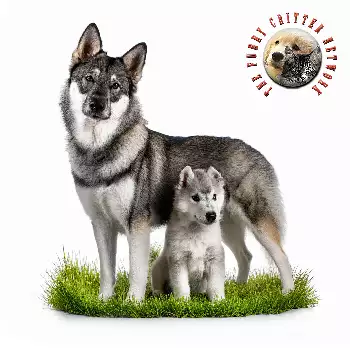

Play Style & Drive

Norwegian Elkhounds are high-energy, intelligent dogs with deeply ingrained hunting instincts. Their play style reflects this heritage — they tend to be vigorous, independent, and easily bored by repetitive activities. Understanding how your Elkhound naturally plays is the foundation for choosing toys and enrichment activities that will actually hold their attention and satisfy their drives.

Elkhounds typically enjoy a combination of chasing, tugging, and problem-solving. They have strong prey drive, which means toys that move unpredictably or simulate the motion of small animals tend to capture their focus more effectively than stationary objects. Many Elkhounds also enjoy wrestling and tug-of-war, using their compact, muscular build to full advantage during interactive play.

This breed's intelligence is both an asset and a challenge when it comes to enrichment. Elkhounds figure out simple puzzles quickly and lose interest once the challenge is gone. Rotating toys regularly and introducing progressively more complex challenges keeps their minds engaged and prevents the destructive boredom that often manifests as chewing furniture, digging, or excessive barking.

It is worth noting that Elkhounds can be possessive of favorite toys, particularly with other dogs. If you have a multi-dog household, supervise play sessions involving high-value items and provide enough toys that competition doesn't become a source of conflict.

Interactive & Puzzle Toys

Puzzle toys are among the most valuable enrichment tools for Norwegian Elkhounds. These dogs need mental exercise as much as physical activity, and a well-chosen puzzle toy can provide twenty to thirty minutes of focused engagement that tires them out as effectively as a walk. Start with intermediate-level puzzles rather than beginner options, as most Elkhounds will solve basic treat-dispensing toys within minutes.

Slider puzzles, flip-board games, and multi-step treat dispensers that require the dog to perform a sequence of actions — lifting, sliding, spinning — are well-suited to the Elkhound's problem-solving abilities. Look for puzzles made from durable materials, as this breed's enthusiasm and jaw strength can make short work of flimsy plastic designs.

Snuffle mats and scent-work games tap directly into the Elkhound's powerful nose and natural tracking instincts. Hiding treats in a textured mat or scattering them across the yard for a "find it" game provides low-impact enrichment that satisfies their foraging drive without requiring intense physical exertion. This makes scent-based activities particularly useful on rest days, during recovery from injury, or in extreme weather.

Food-dispensing toys that require rolling, nudging, or manipulation to release kibble can turn mealtime itself into an enrichment activity. Feeding a portion or all of your Elkhound's daily ration through a dispensing toy slows eating, provides mental stimulation, and adds purposeful activity to an otherwise passive event.

Chew Toys & Durability

Norwegian Elkhounds are moderate to heavy chewers, and selecting toys that can withstand their jaw pressure is essential for both safety and economy. Toys rated for aggressive chewers — typically made from solid rubber, reinforced nylon, or tightly woven natural fibers — are the most reliable options. Avoid toys marketed as "indestructible" without checking reviews from owners of similarly sized, strong-jawed breeds, as marketing claims don't always hold up.

Rubber chew toys with variable textures and hollow centers that can be stuffed with treats or frozen peanut butter are excellent everyday options. The combination of chewing satisfaction and food reward keeps Elkhounds engaged far longer than a plain chew toy. Freezing the stuffed toy adds an additional time challenge and provides a cooling treat during warm weather.

Natural chews such as bully sticks, tendons, and dried fish skins can supplement manufactured toys and offer a different chewing experience. These should always be given under supervision, as they soften and can become choking hazards as they reduce in size. Discard any natural chew once it becomes small enough to swallow whole.

Inspect all chew toys regularly for signs of wear — gouges, cracks, loose pieces, or splintering edges. A toy that was safe last week may become dangerous after sustained use. Replacing worn toys promptly prevents ingestion of fragments, which can cause intestinal blockages or mouth injuries. Keeping a rotation of several chew toys extends the life of each individual item and maintains novelty.

Fetch & Outdoor Toys

Fetch is a natural fit for many Norwegian Elkhounds, though their independent streak means they may not return the ball with the same enthusiasm as a retriever breed. Using high-value toys — those with squeakers, erratic bounce patterns, or unusual textures — can increase their motivation to bring the item back rather than running off to enjoy it alone.

Balls designed for heavy chewers are the safest fetch option. Standard tennis balls wear down quickly under an Elkhound's teeth and can shed felt fibers that accumulate in the digestive tract. Solid rubber balls or puncture-resistant alternatives hold up significantly better and eliminate the ingestion risk. Size the ball appropriately — large enough that it cannot be accidentally swallowed but small enough to carry comfortably.

Flirt poles are outstanding outdoor toys for Elkhounds. These long poles with a lure attached to a cord mimic prey movement and activate the breed's chase drive intensely. A ten-minute flirt pole session can exhaust an Elkhound that might otherwise need a forty-minute run. They are also excellent for practicing impulse control commands like "wait," "drop it," and "leave it" in a high-arousal context.

Tug toys made from heavy-duty rope or reinforced rubber provide excellent interactive outdoor play. Tug-of-war builds the bond between dog and owner while giving the Elkhound an appropriate outlet for their strength and competitive energy. Establishing clear rules — the game stops if teeth touch skin, the dog must release on command — keeps tug sessions safe and structured.

Comfort & Companion Toys

While Norwegian Elkhounds are not typically as attachment-oriented toward plush toys as some companion breeds, many do enjoy having a soft toy to carry, shake, or sleep with. Plush toys for Elkhounds should be constructed with reinforced seams and minimal small parts like plastic eyes or squeaker buttons that can be chewed off and swallowed.

Some Elkhounds develop a preferred comfort toy that they carry to their bed or keep nearby during rest. This behavior is perfectly normal and can actually serve a calming function, especially during stressful events like thunderstorms, fireworks, or household disruptions. If your Elkhound bonds with a particular toy, keeping a backup on hand is wise in case the original is lost or destroyed.

Heartbeat or warmth-simulating toys can be particularly useful for Elkhound puppies transitioning to a new home. The rhythmic pulse and gentle warmth mimic the sensation of sleeping alongside littermates, which can reduce nighttime whining and ease the adjustment period. These toys typically require battery replacement or microwave-safe warming inserts, so verify the product specifications match your comfort level.

For dogs that tend to destroy plush toys quickly, "flat" stuffing-free designs offer the soft texture and carrying satisfaction without the mess and ingestion risk of traditional stuffing. Many flat toys still include a squeaker for auditory stimulation while eliminating the most common hazard associated with plush toys.

DIY & Budget Options

Enrichment for a Norwegian Elkhound doesn't require an expensive toy collection. Many of the most effective mental stimulation activities can be created from household items at minimal cost. A muffin tin with tennis balls placed over treats in each cup creates an instant puzzle. A cardboard box filled with crumpled paper and scattered kibble becomes a foraging challenge. An old towel rolled up with treats tucked inside offers both a scent game and a satisfying unrolling activity.

Frozen enrichment is one of the simplest and most effective budget options. Freezing a mixture of low-sodium broth, small treats, and a smear of peanut butter inside a durable rubber toy provides extended entertainment. For a larger-scale version, freeze the mixture in a small bowl or silicone mold to create a "pupsicle" that can keep an Elkhound occupied for thirty minutes or more on a warm day.

Rotation is the budget-conscious owner's best strategy. Rather than buying new toys constantly, divide your Elkhound's existing toys into three or four groups and rotate them weekly. Toys that have been out of circulation for a few weeks feel novel again, effectively multiplying your toy inventory without additional spending.

Outdoor enrichment can be as simple as hiding treats around the yard before letting your Elkhound out, creating a natural scent trail through tall grass, or setting up a simple agility course with household items like broomsticks laid across buckets for low jumps and a kids' tunnel for crawl-throughs. These activities cost nothing but time and tap directly into the Elkhound's working instincts.

Always consult a qualified professional before making any health-related decisions. This content is provided for informational reference only and should not replace professional guidance specific to your animal.