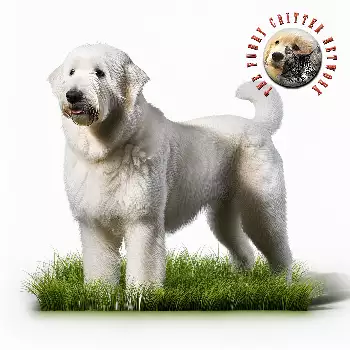

Collars, Harnesses & Leashes

The Kuvasz is a powerful dog that requires walking equipment built for strength and control. A flat collar in nylon or leather is the standard everyday option for carrying identification tags and licenses. For a breed this size, look for collars at least one inch wide to distribute pressure across the neck and reduce the risk of tracheal strain. Buckle closures tend to be more secure than plastic snap closures, which can fail under the sudden force of a large dog lunging.

A harness is often the better choice for walking a Kuvasz, particularly one that is still learning leash manners. Front-clip harnesses redirect pulling energy to the side, giving the handler more steering control without putting pressure on the dog's neck. Back-clip harnesses are more comfortable for well-trained dogs but offer less leverage for managing pulling. Dual-clip designs that allow attachment at both front and back provide the most versatility, letting you adjust your approach as the dog's training progresses.

Leash selection should prioritize durability and handling comfort. A six-foot leather or heavy-duty nylon leash provides enough length for comfortable walking while keeping the dog close enough for safe management in public spaces. Avoid retractable leashes for the Kuvasz — the thin cord can snap under the force of a large dog's lunge, and the variable length makes it difficult to maintain consistent control. A traffic handle or short secondary grip near the collar attachment point can be useful for situations that require close control.

For the Kuvasz's thick neck and dense coat, measure carefully when sizing collars and harnesses. You should be able to fit two fingers between the collar and the dog's neck, but not so loose that it could slip over the head. The breed's heavy ruff can make sizing tricky, so try equipment on the dog before committing, and recheck the fit seasonally as coat density changes between summer and winter.

Grooming Tools

The Kuvasz's dense, wavy double coat is one of the breed's defining features, and maintaining it requires a dedicated grooming toolkit. A high-quality slicker brush is the primary tool for regular coat maintenance, working through the outer coat to remove loose hair and prevent tangles. Choose a slicker with flexible pins and a comfortable handle, as grooming sessions for a dog this size can take thirty minutes or more.

An undercoat rake is essential during shedding season, which occurs roughly twice a year when the Kuvasz blows its dense undercoat. The rake's long, widely spaced teeth reach through the outer coat to pull out loose undercoat without cutting or damaging the topcoat. During peak shedding, daily raking sessions can produce astonishing volumes of loose fur and will significantly reduce the amount of hair deposited around the house.

A steel comb with both wide and narrow teeth is useful for finishing work — checking for remaining tangles behind the ears, along the leg furnishings, and around the collar area where mats tend to form. A dematting tool or mat splitter should be kept on hand for occasional tough spots, though regular brushing should prevent most matting. Never cut mats out with scissors close to the skin, as it is very easy to nick the dog.

Bathing tools round out the grooming kit. A forced-air dryer designed for dogs is a worthwhile investment for drying the Kuvasz's thick coat after baths — towel drying alone can leave the undercoat damp for hours, which can lead to hot spots or skin irritation. A rubber bathing brush helps work shampoo through the dense coat and provides a gentle massage that most dogs enjoy. Use a dog-specific shampoo formulated for white or light coats to maintain brightness without harsh bleaching agents.

Bowls & Feeders

Food and water bowls for the Kuvasz should be sized appropriately for a large breed and constructed from durable, easy-to-clean materials. Stainless steel remains the gold standard — it is virtually indestructible, does not harbor bacteria in scratches the way plastic can, and is dishwasher safe. Ceramic bowls are another good option provided they are lead-free and thick enough to resist chipping, though their weight makes them less practical for travel.

Bowl stability is a practical consideration for a dog that weighs over 100 pounds. Lightweight bowls will be pushed across the floor, tipped, or carried away. Look for bowls with non-skid rubber bases, or invest in a weighted bowl stand that holds the dishes in place. Elevated feeding stations that raise the bowls to chest height are popular for large breeds, though owners should be aware that the relationship between elevated feeding and bloat risk is still debated in veterinary literature.

Slow-feeder bowls are worth considering for Kuvasz dogs that eat too quickly. These bowls feature ridges, mazes, or obstacles that force the dog to work around them to access food, slowing intake and reducing the amount of air swallowed during meals. For a deep-chested breed at risk for bloat, anything that moderates eating speed is a sensible precaution. Puzzle feeders and lick mats serve a similar function while adding enrichment value to mealtime.

Water access should be constant and generous. A large breed like the Kuvasz can drink significant volumes, especially after exercise or in warm weather. Consider a high-capacity water bowl or a gravity-fed water dispenser that refills automatically as the dog drinks. For outdoor areas, insulated or heated water bowls prevent freezing in winter, ensuring the dog always has access to liquid water regardless of temperature.

Travel Gear

Traveling with a Kuvasz requires planning and the right equipment to keep the dog safe and comfortable. For car travel, a crash-tested vehicle harness or a sturdy crate secured in the cargo area are the two primary restraint options. A harness allows the dog to ride on the back seat while remaining buckled in, preventing the dog from becoming a projectile in a sudden stop. A crate provides a more enclosed, den-like space that some dogs find calming during car rides.

If using a crate for vehicle travel, it must be large enough for the dog to stand, turn, and lie down comfortably, and it should be secured so it cannot shift during braking or turns. Wire crates offer better ventilation but are heavier and harder to manage in vehicle cargo spaces. Collapsible fabric crates are lighter and more portable but are not appropriate for dogs that chew or push against the walls. For the Kuvasz, a heavy-duty wire or aluminum crate is usually the best compromise between security and practicality.

A travel water bottle with an attached bowl and a collapsible food dish make feeding on the road convenient without taking up much space. Pack enough of the dog's regular food for the entire trip plus a buffer day, as switching food abruptly during travel can cause digestive upset on top of the stress of being in an unfamiliar environment. A familiar blanket or bed from home provides scent comfort and helps the dog settle in hotels, rental properties, or campgrounds.

For owners who travel frequently with their Kuvasz, a vehicle cargo liner or seat cover protects the car interior from hair, drool, and muddy paws. Waterproof, padded liners that cover the entire back seat or cargo floor are available in sizes that fit most SUVs and wagons. These liners typically install with headrest straps and seat anchors, making them easy to remove and wash after a trip.

Safety & ID

Identification is a fundamental safety measure for any dog, and it is especially important for a large, independent breed like the Kuvasz that may roam if given the opportunity. Every Kuvasz should wear a collar with a legible ID tag listing the owner's current phone number at minimum. Many owners include a secondary tag with the dog's name, a backup phone number, or a note about the dog's microchip. Tags should be checked periodically for legibility, as they can wear down or become scratched over time.

Microchipping provides a permanent, tamper-proof form of identification that cannot be lost like a collar tag. The microchip is implanted under the skin between the shoulder blades and can be scanned by any veterinary clinic or animal shelter. Ensure the microchip registration is kept current with your contact information — a microchip is only as useful as the data linked to it. Some owners register with multiple recovery databases for added coverage.

Reflective and LED accessories improve visibility during evening walks, which is particularly important in areas without sidewalks or streetlights. Reflective collar strips, LED clip-on lights, and illuminated leashes help drivers and cyclists see the dog from a distance. The Kuvasz's white coat provides some natural visibility in low light, but dedicated reflective gear adds a significant margin of safety.

A well-stocked canine first aid kit is a sensible accessory for any Kuvasz household. The kit should include gauze, adhesive wrap, antiseptic solution, tweezers for tick removal, styptic powder for nail bleeding, an emergency muzzle, and a digital thermometer. Familiarize yourself with basic canine first aid procedures — knowing how to handle a minor cut, remove a thorn, or stabilize a limping dog can make the difference between a quick home treatment and an unnecessary emergency vet visit.

Seasonal Gear

The Kuvasz's thick double coat provides substantial natural protection against cold weather, reducing the need for winter clothing in most climates. However, paw protection is relevant year-round. In winter, dog boots or paw wax can shield the pads from road salt, chemical deicers, and ice-ball buildup between the toes. In summer, the same boots can protect against scorching pavement. If the dog resists wearing boots, a paw balm applied before and after walks provides a barrier against irritants and helps keep the pads supple.

Cooling products become important accessories during warm months. Cooling vests that are soaked in water and worn during walks use evaporative cooling to help regulate body temperature. Cooling mats provide a chilled resting surface indoors or outdoors. Portable water bottles with built-in bowls ensure the dog stays hydrated during summer outings. For the Kuvasz, which is more susceptible to overheating than many breeds due to its dense coat, having multiple cooling strategies available is prudent.

Rain gear is a practical consideration for owners in wet climates, though most Kuvasz dogs tolerate rain without complaint thanks to the coat's natural water resistance. A lightweight, breathable rain jacket can reduce the amount of post-walk drying required and keep the undercoat from becoming saturated during extended rainy-day outings. Look for designs that allow full range of motion and do not compress the coat excessively, as air circulation within the coat is part of the breed's natural temperature regulation.

Seasonal grooming accessories complement seasonal gear. A high-velocity dryer for post-rain or post-snow coat drying, a paw washer cup for muddy feet at the door, and an extra set of absorbent towels dedicated to the dog all streamline the process of transitioning between outdoor and indoor environments. These small investments in seasonal preparedness reduce wear on the home, keep the dog comfortable, and make life with a large, outdoor-loving breed considerably more manageable.

Always consult a qualified professional before making any health-related decisions. This content is provided for informational reference only and should not replace professional guidance specific to your animal.