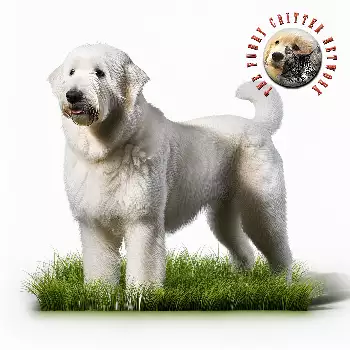

Space Requirements

The Kuvasz is a large, active guardian breed that needs ample space to move, patrol, and rest comfortably. This is not a dog that thrives in a cramped apartment or a home without outdoor access. Ideally, a Kuvasz should have a securely fenced yard where it can observe its territory and engage in natural guarding behaviors. The breed's deep-rooted instinct to patrol means it will naturally pace the perimeter of whatever space it considers home, and providing enough room for this behavior contributes significantly to the dog's mental well-being.

Indoor space matters as well. The Kuvasz needs room to stretch out fully when resting, and its preferred sleeping positions often involve sprawling rather than curling up tightly. A dedicated area in the home where the dog can lie down without being underfoot — ideally with a clear sightline to the main entry points — satisfies both the dog's comfort needs and its protective instincts. Hallways and tight corners are poor resting spots for a dog of this size.

Fencing is a critical consideration. The Kuvasz is intelligent and can be resourceful about finding ways through or over inadequate barriers. A fence of at least five to six feet in height is recommended, and it should be sturdy enough to withstand the weight of a large dog leaning against it. Inspect fencing regularly for gaps at ground level, as some Kuvasz dogs will dig under a fence if they detect something interesting on the other side.

For owners in rural settings, the Kuvasz may have access to much larger areas, which aligns well with the breed's livestock guardian heritage. However, even on acreage, clear boundary training and reliable containment are essential. An unsupervised Kuvasz with unlimited range will expand its patrol territory far beyond what most owners intend, potentially creating conflicts with neighbors, wildlife, or traffic.

Crates & Kennels

Crate training can be a useful management tool for a Kuvasz, particularly during puppyhood when the dog is learning house manners and needs a safe space during unsupervised moments. The crate should be sized for the adult dog — at minimum 48 inches long, though some larger males may need a 54-inch crate to stand, turn, and lie down comfortably. A divider panel allows you to adjust the interior space as the puppy grows, preventing the dog from using one end as a bathroom.

Wire crates are generally the best option for the Kuvasz because they provide good airflow and visibility, both of which matter for a breed that runs warm under its heavy coat and prefers to keep an eye on its surroundings. Plastic airline-style crates can feel confining for a dog this size and may trap heat. Heavy-duty steel crates are an option for dogs that are crate-resistant, but most well-socialized Kuvasz dogs accept a standard wire crate without issue.

The crate should be positioned in a quiet but not isolated area of the home. A corner of the living room or family area works well — the dog can rest while still feeling connected to the household. Avoid placing the crate in direct sunlight, near heating vents, or in high-traffic zones where the dog will be constantly disturbed. A crate cover can help some dogs settle by reducing visual stimulation, though many Kuvasz dogs prefer to see out.

Outdoor kennels serve a different purpose than indoor crates and should not be used as a substitute for household inclusion. A Kuvasz that is permanently kenneled outdoors without family interaction will develop behavioral problems. However, a well-constructed outdoor kennel can serve as a temporary containment option during yard work, when gates need to be open, or when service workers are on the property. Outdoor kennels should have a solid roof, shade, fresh water access, and a comfortable resting surface.

Beds & Sleeping Areas

A good bed is an important investment for a Kuvasz. Large breeds carry significant weight on their joints, and sleeping on hard floors night after night can contribute to calluses, pressure sores, and joint stiffness. Orthopedic beds with memory foam or high-density foam cores provide the support a dog this size needs, distributing weight evenly and cushioning the hips, shoulders, and elbows.

Bed size should accommodate the dog's full length when stretched out. A 48-inch or larger bed is typical for the Kuvasz, and rectangular or mattress-style beds tend to work better than round or bolster designs for dogs that like to sprawl. That said, some Kuvasz dogs do appreciate a raised edge or bolster where they can rest their head, so observe your dog's natural sleeping posture before committing to a particular style.

Durability is a practical concern. The Kuvasz has a thick double coat that sheds heavily, so bed covers should be removable, machine-washable, and made from tightly woven fabric that does not trap hair excessively. Water-resistant or waterproof liners beneath the cover protect the foam core from accidents, drool, and moisture. Avoid beds with delicate stitching or decorative elements that can be chewed or torn by a bored adolescent dog.

Many Kuvasz dogs will claim multiple sleeping spots throughout the home, moving between them based on temperature, time of day, and where the family is gathered. Providing a primary bed in the main living area and a second in the bedroom — if the dog is allowed to sleep there — covers most situations. Elevated cot-style beds can also be a good option for warm months, as airflow underneath helps the dog stay cool.

Outdoor Enclosures

For owners with yard space, an outdoor enclosure or dedicated run can give the Kuvasz a safe area to enjoy fresh air and exercise when direct supervision is not possible. The enclosure should be spacious enough for the dog to move freely — a minimum of ten by ten feet for a temporary holding area, larger if it serves as a regular exercise space. Chain-link panels with a gauge heavy enough to resist bending are a common and practical material choice.

Shade is essential in any outdoor enclosure. The Kuvasz's white double coat reflects some solar heat but can still trap warmth against the body, making the dog susceptible to overheating in direct sun. A solid roof over at least part of the enclosure, or a shade sail, provides relief. Fresh water should always be available within the enclosure, ideally in a spill-proof or weighted bowl.

Ground surface matters for both comfort and hygiene. Concrete pads are easy to clean but hard on joints and hot in summer. Gravel provides drainage but can be uncomfortable for extended lying. Rubber matting or artificial turf designed for dog runs offers a compromise — cushioned, drainable, and relatively easy to sanitize. Natural grass works in cooler climates but will quickly wear down to mud in areas of heavy use.

The enclosure should have a secure latch system that the dog cannot manipulate. Kuvasz dogs are intelligent problem-solvers, and simple slide bolts or lift latches may not be sufficient. Carabiner clips or padlocks on gate latches are a common solution. Ensure there are no gaps at the base of the enclosure panels where the dog could dig out, and consider a concrete footer or buried wire apron along the perimeter if digging is a concern.

Climate Considerations

The Kuvasz was developed in Hungary and is well adapted to cold weather. Its dense, wavy double coat provides excellent insulation against low temperatures, wind, and snow. In cold climates, the breed is generally comfortable outdoors for extended periods, though it should always have access to a dry, wind-protected shelter. An insulated dog house with a raised floor and a doorway oriented away from prevailing winds serves well as a cold-weather retreat.

Heat tolerance is the more significant concern for this breed. The thick coat that protects the Kuvasz in winter can become a liability in hot, humid conditions. During warm months, outdoor time should be scheduled for early morning and evening, with the hottest part of the day spent indoors in air conditioning or in a well-shaded area with good airflow. Never shave a Kuvasz's coat in an attempt to cool the dog — the double coat actually insulates against heat as well as cold, and shaving disrupts the coat's protective function and can lead to sunburn.

Indoor climate control is important year-round. The Kuvasz will seek out the coolest spot in the house during summer, often sprawling on tile or hardwood floors near air vents. Providing access to these naturally cooler surfaces is an easy way to help the dog regulate its temperature. Cooling mats — gel-filled pads that absorb body heat — can also provide relief and are especially useful for dogs that rest on carpeted surfaces.

For owners in transitional climates with significant seasonal variation, having both heating and cooling strategies in place is ideal. A warm, draft-free sleeping area for winter and a cool, well-ventilated resting spot for summer ensures the Kuvasz is comfortable regardless of season. Monitor the dog for signs of temperature stress — excessive panting, reluctance to move, or seeking unusual resting spots — and adjust the environment accordingly.

Multi-Pet Households

The Kuvasz's guardian temperament adds complexity to multi-pet living arrangements. This breed tends to be protective of its family and territory, which can manifest as wariness or assertiveness toward unfamiliar animals. Introducing a Kuvasz to an existing pet household — or bringing a new pet into a home with an established Kuvasz — requires careful planning, gradual introductions, and separate spaces during the adjustment period.

Each animal in the household should have its own designated resting area where it can retreat without being crowded by the others. For the Kuvasz, this means a bed or crate in a location where the dog feels secure and can observe the household without being forced into close proximity with other pets. Resource guarding — protecting food, toys, or resting spots — can be a concern in multi-pet homes, so feeding animals separately and providing duplicate resources reduces competition.

With other dogs, the Kuvasz generally coexists best with dogs of the opposite sex and of a complementary temperament. Two dominant, same-sex large breeds in the same household can create ongoing tension. Supervised interactions during the introduction phase, with each dog having a clear escape route and its own space, help establish a stable social dynamic. Do not force interactions or expect instant friendship — the Kuvasz tends to warm up to new housemates on its own timeline.

Cats and smaller animals require additional consideration. The Kuvasz's guardian instinct can sometimes extend to protecting smaller household members, but prey drive varies between individuals. Introductions should be conducted with the dog on leash and the smaller animal in a secure area, and the animals should never be left unsupervised together until a trustworthy dynamic has been firmly established over weeks or months. Physical barriers like baby gates can provide separation while still allowing the animals to acclimate to each other's presence.

Always consult a qualified professional before making any health-related decisions. This content is provided for informational reference only and should not replace professional guidance specific to your animal.