
Space Requirements

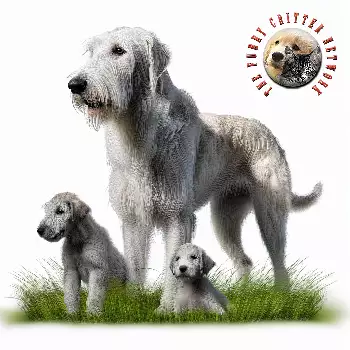
Irish Wolfhounds are the tallest breed recognized by most kennel clubs, and their sheer physical dimensions dictate housing decisions in ways that smaller giant breeds do not. A standing Wolfhound can easily place its head on a kitchen counter, and a stretching Wolfhound can span the length of a standard sofa. Any housing arrangement, whether indoor or outdoor, needs to account for a dog that may reach 35 inches at the shoulder and over six feet in length from nose to tail.

Indoors, an Irish Wolfhound needs enough floor space to lie flat on its side without being cramped against furniture or walls. Many owners find that dedicating a specific area of the home — a corner of the living room, a section of a finished basement, or a large mudroom — works better than expecting the dog to squeeze into whatever space is available. Open floor plans generally suit this breed better than homes with narrow hallways and small rooms.

Despite their size, Irish Wolfhounds are surprisingly calm indoors and do not require a mansion to be comfortable. What they do require is adequate outdoor space for daily exercise. A securely fenced yard is strongly recommended, with fencing at least five to six feet high. While Wolfhounds are not typically escape artists, they are sighthounds with a prey drive, and a squirrel or rabbit on the other side of a short fence can trigger a chase response that overrides their normally laid-back demeanor.

Apartment living is possible but challenging. Some Wolfhound owners in urban areas make it work with multiple daily walks and access to nearby parks, but the breed generally thrives in homes with direct outdoor access. If you live in an apartment or townhouse, ensure that stairways are wide enough for a dog of this size and that doorways do not create bottlenecks during daily comings and goings.

Crates & Kennels

Finding a crate that fits an adult Irish Wolfhound is one of the first practical challenges new owners face. Standard extra-large crates designed for breeds like Labrador Retrievers are far too small. You will need a crate rated for giant breeds, typically 54 inches in length at minimum, and some owners opt for custom or oversized models that reach 60 inches or more. The dog should be able to stand without crouching, turn around comfortably, and lie on its side with legs extended.

Wire crates are the most popular option for indoor use because they provide good ventilation, fold flat for storage, and allow the dog to see its surroundings. For Wolfhounds, heavy-gauge wire is important because a 150-pound dog leaning against a lightweight panel can bend or dislodge it. Double-door models offer more flexibility in placement, as you can orient the crate opening to suit the room layout.

Crate training is valuable for Irish Wolfhounds even if you do not plan to use the crate long-term. Puppies benefit from the structure and security a crate provides during housetraining and unsupervised periods, and adult dogs that are crate-trained handle veterinary stays, travel, and emergencies with less stress. Introduce the crate gradually with positive associations, and never use it as a punishment tool.

For outdoor kenneling, heavy-duty chain-link or welded-wire kennel panels are the standard choice. An outdoor kennel run for a Wolfhound should be at least six feet wide by twelve feet long, with a solid roof or shade structure to protect from sun and rain. These runs are useful for short-term containment — during yard maintenance, contractor visits, or parties — but should never replace a properly fenced yard or daily exercise.

Beds & Sleeping Areas

A quality bed is not a luxury for an Irish Wolfhound — it is a health necessity. Giant breeds carry significant weight on joints that are already predisposed to conditions like hip dysplasia and osteosarcoma, and sleeping on hard surfaces accelerates callus formation on elbows and hocks. Orthopedic beds with high-density memory foam or pressure-relieving foam cores are the gold standard, and the investment pays dividends in long-term joint health and comfort.

Size matters enormously. Look for beds marketed as extra-large or giant, with interior sleeping surfaces of at least 48 by 36 inches. Many Wolfhound owners find that even beds labeled as extra-large are borderline, and some opt for human mattress alternatives like twin-sized memory foam toppers placed in washable covers. The key metric is whether the dog can lie fully stretched on its side without hanging off the edges.

Bolstered beds — those with raised edges — are popular with Wolfhounds that like to rest their heads on a pillow-like surface. However, make sure the interior sleeping area is not significantly reduced by the bolsters. Some bolstered designs look spacious overall but leave a sleeping well that is too narrow for a dog of this size. Flat-style orthopedic mats avoid this issue entirely and are easier to place in crates or vehicle cargo areas.

Durability and washability should weigh heavily in your decision. Irish Wolfhounds shed moderately year-round with heavier seasonal blowing, and their rough coats trap dirt and debris. Beds with removable, machine-washable covers save significant effort over time. Waterproof liners beneath the cover protect the foam core from accidents, drool, and the general moisture that comes with sharing a home with a giant breed.

Outdoor Enclosures

A securely fenced yard is the single most important piece of outdoor infrastructure for an Irish Wolfhound owner. The fencing should stand at least five feet high, and six feet is preferable. While Wolfhounds are not habitual jumpers, they are capable of clearing lower fences when motivated by prey drive. Solid wood privacy fencing works well because it blocks visual stimuli that might trigger chasing behavior, though chain-link and welded-wire fencing at the proper height are also effective.

Gate security is often the weak link in otherwise adequate fencing. Self-closing hinges, reliable latches, and latches positioned high enough that the dog cannot nose them open are all important details. Some owners add secondary latches or padlocks to gates that open onto streets or unfenced areas. It only takes one open gate and one spotted rabbit to put a sighthound in serious danger.

Outdoor shelter should be available even if the dog spends most of its time indoors. A covered patio, a large insulated doghouse, or a roofed kennel run gives the dog a place to retreat from sun, rain, or wind during outdoor time. Doghouses for Wolfhounds need to be custom-built or sourced from manufacturers that cater to giant breeds, as standard commercial doghouses are laughably small. The interior should allow the dog to enter, turn around, and lie down comfortably.

Landscaping can affect the quality of the outdoor space. Irish Wolfhounds enjoy running in open areas and can damage gardens, flowerbeds, and young trees with their size and speed. Many owners designate specific running areas with durable ground cover and use low fencing or raised beds to protect landscaping. Gravel or pea-stone runs near the house provide clean, mud-free areas for bathroom breaks during wet weather.

Climate Considerations

The Irish Wolfhound's rough, wiry double coat provides moderate protection against cold and damp, which is consistent with the breed's origins in the cool, wet climate of Ireland. Most Wolfhounds handle cold weather reasonably well and many seem to prefer cooler temperatures, becoming visibly more energetic and playful in autumn and winter. That said, their lean build and relatively low body fat mean they are not as cold-hardy as heavily insulated breeds like Bernese Mountain Dogs or Newfoundlands.

Heat is the bigger concern. Large body mass generates significant metabolic heat, and the Wolfhound's size-to-surface-area ratio makes it harder to dissipate that heat efficiently. In warm climates or during summer months, outdoor time should be managed carefully. Provide constant access to shade and fresh water, schedule exercise for early morning or evening hours, and watch for signs of heat stress including excessive panting, drooling, and reluctance to move.

Indoor climate control is a practical consideration that many first-time giant-breed owners underestimate. Air conditioning during summer months is not optional in most regions — it is a necessity for a dog this size. In winter, ensure that sleeping areas are not positioned over cold drafts or directly against exterior walls that radiate chill. Elevated beds or thick foam pads provide insulation from cold floors.

For owners in extreme climates, seasonal adjustments to the housing setup may be needed. Heated outdoor water bowls prevent freezing in winter. Cooling mats or elevated mesh cots provide relief during summer. Some owners in very hot regions install misting systems or wading pools in shaded outdoor areas, which Wolfhounds tend to use enthusiastically once introduced to them.

Multi-Pet Households

Irish Wolfhounds are generally excellent housemates for other dogs, particularly when raised together or introduced properly. Their temperament is calm and non-confrontational, and they rarely display the resource-guarding or dominance behaviors that can create friction in multi-dog homes. However, their size creates practical considerations that require thoughtful planning. A playful Wolfhound can accidentally injure a small dog simply through the physics of mass and momentum, so supervised interactions are important when there is a significant size disparity.

Sleeping arrangements in multi-dog households should give each dog adequate personal space. Irish Wolfhounds are not territorial about resting spots, but they need enough room that a second dog is not forced to crowd them. Providing separate beds in the same room works well for dogs that enjoy proximity without physical contact, while some Wolfhounds happily share oversized beds with similarly sized companions.

Feeding stations should always be separated in multi-dog homes, and this is especially important with a breed prone to bloat. An Irish Wolfhound that feels pressured to eat quickly because another dog is nearby may gulp food and swallow air, increasing gastric distension risk. Feed in separate rooms or at least with enough distance that each dog can eat at its own pace without feeling competitive.

Cats and small animals present a more nuanced situation. Irish Wolfhounds are sighthounds with a prey drive that was historically directed at wolves and elk, and small, fast-moving animals can trigger chase instincts. Many Wolfhounds live peacefully with household cats, particularly when raised together, but introductions should be gradual and closely supervised. Outdoor cats, neighborhood wildlife, and visiting small pets should always be managed with caution, as even a gentle dog with strong prey drive can act on instinct in a split second.

Always consult a qualified professional before making any health-related decisions. This content is provided for informational reference only and should not replace professional guidance specific to your animal.