
Nutritional Needs

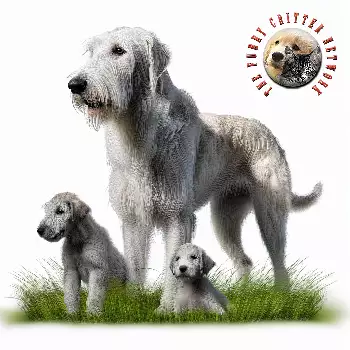
The Irish Wolfhound is a giant sighthound that can stand over thirty inches at the shoulder and weigh well past 150 pounds at maturity, yet its frame is lean and athletic rather than bulky. That combination of height, mass, and relatively low body fat creates a nutritional profile unlike most other giant breeds. Caloric needs are high during growth and moderate during adulthood, and getting the balance right is critical for longevity in a breed already known for a shorter-than-average lifespan.

Protein is the cornerstone of an Irish Wolfhound diet. Adults generally do well on formulas that deliver between 23 and 28 percent protein from high-quality animal sources. Puppies need controlled protein paired with moderate fat and carefully calibrated calcium-to-phosphorus ratios to avoid the rapid skeletal growth that predisposes giant breeds to developmental orthopedic diseases. A target calcium level between 1.0 and 1.5 percent on a dry-matter basis is a commonly cited guideline for giant-breed puppies.

Fat content matters more than many owners realize. Irish Wolfhounds are deep-chested dogs with a documented predisposition to bloat, and high-fat diets can slow gastric emptying and contribute to fermentation. A moderate fat range of 12 to 16 percent for adults strikes the right balance between energy density and digestive safety. Omega-3 fatty acids from fish oil or marine sources are especially valuable for joint support and coat quality in this breed.

Micronutrients deserve attention as well. Glucosamine and chondroitin are often included in giant-breed formulas and can provide baseline joint support. Taurine is another nutrient to watch, as some research has linked taurine deficiency with dilated cardiomyopathy, a condition that affects Irish Wolfhounds at a higher rate than the general dog population. Choosing a food that lists meat as the first ingredient helps ensure adequate taurine levels naturally.

What to Look For

When evaluating a food for an Irish Wolfhound, the ingredient panel and the guaranteed analysis are both important, but neither tells the full story on its own. Start with the ingredient list: a named animal protein should appear first, and ideally a second animal protein source should appear within the top five ingredients. Avoid formulas that lead with grain fractions or use vague terms like "meat meal" without specifying the species.

The guaranteed analysis tells you minimum protein and fat and maximum fiber and moisture, but it does not reveal digestibility. Two foods with identical protein percentages can perform very differently depending on whether that protein comes from whole chicken or from feather meal. Look for manufacturers that publish digestibility data or feeding trial results, as these provide a more complete picture of how the food performs in an actual dog.

Calorie density is another critical factor. Giant breeds eat large volumes of food, and a formula that is too calorie-dense can lead to overfeeding and excess weight, while a formula that is too dilute forces the dog to consume uncomfortably large meals. A range of roughly 350 to 400 kilocalories per cup is a reasonable target for most adult Irish Wolfhounds, though active dogs or intact males may need slightly higher energy density.

Finally, consider kibble size and shape. Irish Wolfhounds can be surprisingly fast eaters despite their gentle demeanor, and large-format kibble encourages slower chewing and reduces the risk of gulping air, which is a contributing factor in bloat. Some owners also prefer flat or cross-shaped kibble designs that are harder to swallow whole.

Recommended Dry Food

Dry kibble remains the most practical foundation for feeding an Irish Wolfhound, primarily because of volume. A dog that eats four to eight cups of food per day needs a format that is shelf-stable, cost-effective, and easy to portion. Giant-breed-specific formulas are the best starting point because they are engineered with the calcium, phosphorus, and calorie levels that suit large skeletal frames.

For puppies, look for a large- or giant-breed puppy formula rather than an all-life-stages product. Puppy-specific giant-breed foods control growth rate by limiting calorie density and calcium content, which reduces the risk of conditions like hypertrophic osteodystrophy and osteochondritis dissecans. Most breeders recommend keeping an Irish Wolfhound on a puppy formula until at least 18 months of age, and some extend that to 24 months given the breed's prolonged skeletal maturation.

Adult maintenance formulas for giant breeds typically feature moderate protein, moderate fat, and added joint-support compounds. Grain-inclusive formulas built around rice, barley, or oats tend to agree well with this breed's digestive system and provide consistent energy without the fermentation issues sometimes associated with high-legume or high-potato formulas. That said, some Wolfhounds do well on grain-free diets, and the choice should ultimately be guided by the individual dog's tolerance and veterinary input.

Senior formulas with reduced calorie density and enhanced joint support can be introduced around age five or six, which is middle age for a breed with a six-to-eight-year average lifespan. Lower-calorie senior foods help maintain lean body condition as activity levels naturally decline, and boosted levels of glucosamine and omega-3s address the joint wear that accumulates in large, heavy frames.

Wet & Fresh Options

Wet food and fresh-prepared diets can serve as effective supplements to a kibble-based feeding plan, though using them as the sole diet for an Irish Wolfhound is usually impractical given the volume required. A dog eating six cups of kibble per day would need a staggering number of cans or fresh-food pouches to meet the same caloric needs, making cost and storage real considerations.

As a topper or mixer, wet food adds moisture, enhances palatability, and can encourage eating in Wolfhounds that are picky or recovering from illness. Choose products with simple ingredient lists and named protein sources. Stews and pâté-style formulas tend to mix into kibble more evenly than chunk-in-gravy styles, which can lead to selective eating where the dog picks out the chunks and leaves the kibble behind.

Fresh and refrigerated dog food delivery services have become popular and can work well for Irish Wolfhounds when used as a partial diet. These products are typically gently cooked and minimally processed, which may improve digestibility and nutrient absorption compared to heavily extruded kibble. If you go this route, confirm that the formula meets AAFCO complete-and-balanced standards rather than being labeled as a supplemental or intermittent feed.

Raw feeding is a topic that generates strong opinions. Some Irish Wolfhound owners and breeders are dedicated raw feeders and report excellent results in coat quality, dental health, and stool consistency. Others, including many veterinary nutritionists, caution against raw diets due to bacterial contamination risks and the difficulty of achieving consistent nutrient balance without professional formulation. If you are interested in raw feeding, working with a board-certified veterinary nutritionist to design a balanced recipe is strongly recommended.

Treats & Supplements

Treats should be viewed as a functional part of the diet rather than an afterthought. For a dog the size of an Irish Wolfhound, even modest overuse of calorie-dense treats can contribute to weight gain that stresses joints and shortens lifespan. Choose low-calorie, single-ingredient treats like dehydrated sweet potato, freeze-dried liver, or plain training biscuits, and keep total treat calories under ten percent of the daily intake.

Joint supplements are arguably the most important supplemental category for this breed. Glucosamine, chondroitin, and methylsulfonylmethane are the traditional joint-support trio, and many owners begin supplementation as early as one year of age as a preventive measure. Omega-3 fatty acid supplements derived from fish oil or green-lipped mussel are another valuable addition, providing anti-inflammatory benefits that support both joint and cardiac health.

Probiotics and digestive enzymes can be helpful for Wolfhounds with sensitive stomachs or those transitioning between foods. Giant breeds sometimes experience loose stools or mild digestive upset simply because of the volume of food passing through the system, and a quality probiotic can help maintain a stable gut microbiome. Look for products that list specific bacterial strains and colony-forming unit counts rather than proprietary blends with undisclosed quantities.

Taurine supplementation has gained attention in the Irish Wolfhound community due to the breed's vulnerability to dilated cardiomyopathy. While most high-quality commercial diets provide adequate taurine through meat-based protein, some owners and cardiologists recommend additional taurine supplementation as a precautionary measure. Discuss this with your veterinarian, especially if your dog is on a grain-free or legume-heavy diet.

Foods to Avoid

Beyond the universally toxic foods like chocolate, grapes, raisins, onions, garlic, xylitol, and macadamia nuts, there are several feeding practices that carry elevated risk for Irish Wolfhounds specifically. High-fat table scraps and fatty cuts of meat can trigger pancreatitis, which is painful and potentially life-threatening, and giant breeds seem to be particularly susceptible to severe episodes.

Foods that promote gas production deserve special caution in a breed predisposed to bloat. Soy-based ingredients, excessive amounts of fermentable fiber, and certain legume-heavy formulas have been associated with increased gas production in dogs. While the exact dietary triggers of bloat are still debated in veterinary literature, minimizing known gas-producing ingredients is a reasonable precaution.

Cooked bones should never be offered, as they can splinter and cause esophageal or intestinal perforations. Raw bones are generally safer but still carry risks, including tooth fractures on weight-bearing bones from large animals. If you offer recreational chews, choose appropriately sized options that cannot be swallowed whole, and always supervise chewing sessions.

Avoid feeding immediately before or after vigorous exercise. The standard recommendation for bloat-prone breeds is to wait at least one hour before and after meals before allowing strenuous activity. Some owners also elevate food bowls to reduce air swallowing, though the evidence on this practice is mixed. What is well established is that feeding two or three smaller meals per day rather than one large meal significantly reduces bloat risk.

Feeding Schedule

Splitting the daily food allotment into at least two meals is considered essential for Irish Wolfhounds. Many breeders and veterinarians recommend three meals per day for puppies up to six months, transitioning to twice daily for adolescents and adults. This approach keeps individual meal volumes manageable, promotes steadier blood sugar levels, and reduces the gastric distension that contributes to bloat.

Portion sizes vary considerably depending on age, activity level, metabolism, and whether the dog is intact or neutered. A typical adult Irish Wolfhound might eat between four and eight cups of kibble per day, but this is only a starting point. Body condition scoring is a far more reliable guide than cup measurements alone. You should be able to feel the ribs without pressing hard, and there should be a visible waist when viewed from above and a tuck-up when viewed from the side.

Puppies require the most careful portion management. Overfeeding a giant-breed puppy does not make it grow larger; it makes it grow faster, and rapid growth is associated with skeletal abnormalities. Follow the breeder's recommendations and the food manufacturer's giant-breed puppy feeding chart, and adjust based on body condition rather than weight alone. Regular weigh-ins and body condition assessments every two to three weeks during the first year help catch overfeeding or underfeeding early.

Senior Wolfhounds often experience a gradual decline in appetite, which can be compounded by dental issues or reduced sense of smell. Warming food slightly, adding a small amount of low-sodium broth, or mixing in a spoonful of wet food can make meals more appealing. If appetite loss is sudden or significant, a veterinary evaluation is warranted, as it can signal underlying health issues that are common in aging giant breeds.

Always consult a qualified professional before making any health-related decisions. This content is provided for informational reference only and should not replace professional guidance specific to your animal.