
Collars, Harnesses & Leashes

Choosing the right collar and leash combination for a Glen of Imaal Terrier requires consideration of the breed's unique build and temperament. Glens carry substantial muscle on a low, broad frame with a thick neck, which means standard collars must be properly fitted to avoid slipping over the head or sitting too tight against the throat. A flat buckle collar in nylon or leather, measured to allow two fingers between the collar and the neck, serves well for everyday identification and tag display.

For walking, a harness is generally preferable to a collar for this breed. Glens are strong for their size and can pull with surprising force, especially when their terrier instincts are triggered by a squirrel or an interesting scent. A front-clip harness redirects pulling energy toward the handler rather than allowing the dog to brace forward against a collar, reducing strain on both the dog's trachea and the walker's arm. Back-clip harnesses work well for Glens that have already mastered loose-leash walking.

Leash selection should match the Glen's strength and the walking environment. A six-foot fixed-length leash in nylon webbing or leather provides the best combination of control and freedom for urban and suburban walks. Retractable leashes are generally not recommended for terrier breeds because they offer insufficient control when the dog lunges toward a distraction and can encourage pulling behavior by rewarding forward movement with more slack.

For training sessions or environments with heavy distractions, a shorter four-foot traffic leash or a standard leash doubled over provides closer handling. Hands-free leashes that clip to a waist belt are a convenient option for jogging with a Glen, though they should only be used with dogs that have reliable leash manners, as a sudden lunge from a thirty-five-pound terrier can throw a runner off balance.

Grooming Tools

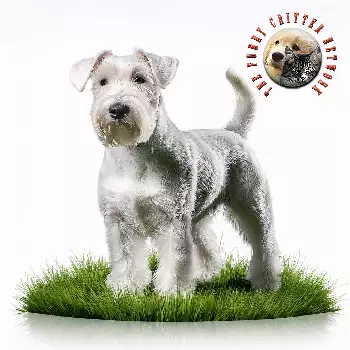
The Glen of Imaal Terrier's coat is a distinctive feature that demands a specific grooming toolkit. The breed sports a harsh, medium-length outer coat over a soft, dense undercoat, and this double-coat structure requires regular maintenance to prevent matting and maintain the breed's characteristic rough texture. The coat is typically stripped rather than clipped to preserve its proper texture and color, though pet owners who do not show their dogs may opt for clipping as a lower-maintenance alternative.

A stripping knife or stripping stone is the primary tool for hand-stripping, a process that removes dead outer coat hairs by pulling them out by the root. This sounds more dramatic than it is — when the coat is ready to be stripped, the dead hairs release easily and painlessly. Hand-stripping maintains the wiry texture that repels dirt and water, whereas clipping tends to soften the coat over time and may alter its color.

Between stripping sessions, a slicker brush and a metal comb with both wide and fine teeth handle routine maintenance. The slicker brush removes loose undercoat and surface debris, while the comb works through any tangles or developing mats, particularly behind the ears, under the legs, and around the furnishings on the face and feet. Brushing two to three times per week prevents most matting issues.

Additional grooming tools for the Glen include nail clippers or a rotary nail grinder, ear cleaning solution with cotton pads, and a quality dog shampoo formulated for wire-coated breeds. Bathing should be infrequent — every six to eight weeks or as needed — to avoid stripping the natural oils that give the coat its weather-resistant properties. A grooming table with a non-slip surface and a grooming arm makes the stripping and brushing process easier on both dog and owner.

Bowls & Feeders

Food and water bowls for a Glen of Imaal Terrier should be practical, durable, and appropriately sized. Stainless steel bowls are the gold standard for most dog owners because they are virtually indestructible, easy to sanitize, and resistant to harboring bacteria. They do not absorb odors, do not crack like ceramic, and are not susceptible to the chin acne that some dogs develop from prolonged contact with plastic bowls.

Ceramic bowls are a heavier alternative that resists tipping and sliding — a useful feature for a Glen that pushes its bowl around the floor during mealtime. Look for lead-free, food-grade ceramic with a glazed interior for easy cleaning. The weight of ceramic also makes it a good choice for outdoor feeding stations where a lighter bowl might be knocked over by wind or an enthusiastic eater.

Slow-feeder bowls with raised ridges, mazes, or divided compartments are beneficial for Glens that eat too quickly. Rapid eating increases the risk of bloat and reduces nutrient absorption, and a slow feeder can extend a meal from thirty seconds to several minutes. The puzzle-like aspect of navigating food out of the ridges also provides a small amount of mental stimulation with every meal.

Elevated feeder stands raise the bowls to a more comfortable eating height, reducing neck strain during meals. For a Glen of Imaal Terrier, a stand that places the bowl rim at roughly chest height — typically four to six inches off the ground — is appropriate. Adjustable stands that can be raised as a puppy grows or lowered as a senior develops mobility issues offer the best long-term value. Always ensure that elevated stands are stable and cannot be tipped over by a dog leaning into the bowl.

Travel Gear

Traveling with a Glen of Imaal Terrier requires a few key accessories to ensure safety and comfort on the road or in the air. A crash-tested travel harness or a secured crate is essential for car travel. Unrestrained dogs become projectiles in a collision and are a distraction to the driver even under normal driving conditions. A harness that clips into the vehicle's seat belt system keeps the Glen secure while allowing enough movement to sit and lie down comfortably.

For crate-based car travel, a plastic airline-style crate secured with tie-down straps provides the safest containment. The crate should be large enough for the dog to stand and turn but snug enough to prevent being thrown around inside during sudden stops. Placing a familiar blanket or bed inside the crate and introducing it gradually before the first trip helps the Glen associate the travel crate with positive experiences.

Collapsible travel bowls, a portable water bottle with a built-in drinking tray, and a travel-sized first aid kit round out the essential road trip supplies. Packing a few familiar toys and a supply of the dog's regular food avoids the digestive upset that can accompany sudden diet changes during travel. For longer trips, waste bags, a portable exercise pen for rest stop breaks, and a lightweight travel bed provide comfort and convenience.

Air travel with a Glen of Imaal Terrier typically means cargo hold travel, as most Glens exceed the size limits for in-cabin carriers. If air travel is necessary, research airline-specific requirements well in advance, ensure the crate meets international standards, and schedule flights during temperate weather to minimize heat and cold exposure in the cargo area. Many Glen owners prefer ground transportation alternatives when possible to avoid the stress and risk of cargo travel.

Safety & ID

Identification and safety accessories are non-negotiable essentials for any Glen of Imaal Terrier. A properly fitted collar with a visible ID tag bearing the dog's name, the owner's phone number, and the city or region of residence provides the first line of identification if the dog becomes separated from its owner. Tags should be legible, securely attached with a split ring rather than an S-hook, and updated whenever contact information changes.

Microchipping provides a permanent, tamper-proof form of identification that supplements the collar tag. A microchip is a rice-grain-sized transponder injected beneath the skin between the shoulder blades, and it can be read by a universal scanner at any veterinary clinic or animal shelter. Registering the microchip with a national database and keeping the registration current is the critical step that connects the chip number to the owner's contact information.

Reflective and LED accessories improve visibility during dawn, dusk, and nighttime walks. Reflective collar bands, leash wraps, or clip-on LED lights make the dog visible to drivers from a distance that allows safe reaction time. For Glens that walk in urban or suburban environments with vehicle traffic, high-visibility gear is a simple, inexpensive safety upgrade that significantly reduces the risk of an accident.

For homes with pools, ponds, or proximity to open water, a canine life jacket is a worthwhile investment. Glens are not natural swimmers — their heavy, low-slung build makes buoyancy challenging — and a properly fitted flotation vest with a dorsal grab handle provides both safety and confidence during water activities. Even for dogs that never intentionally enter the water, a life jacket provides insurance against accidental falls.

Seasonal Gear

Seasonal accessories help a Glen of Imaal Terrier remain comfortable and protected throughout the year. During winter months in colder climates, a water-resistant coat or jacket provides an extra layer of insulation during extended outdoor sessions. While the Glen's double coat offers natural cold protection, wet conditions combined with freezing temperatures can overwhelm the coat's insulating capacity, making a waterproof outer layer practical for walks in rain, sleet, or snow.

Paw protection is important in both winter and summer. Ice-melting chemicals and road salt can irritate and crack paw pads during winter, while hot asphalt and sand can cause thermal burns in summer. Protective paw wax creates a barrier against chemical irritants and minor abrasions, while dog boots provide complete protection for dogs that tolerate them. Introducing boots gradually through positive reinforcement helps overcome the comical but common objection most dogs initially display toward footwear.

Summer gear for the Glen includes a cooling vest or bandana for outdoor activities in warm weather. These products are soaked in water and use evaporative cooling to lower the dog's body temperature during walks, hikes, or play sessions. A portable shade canopy or pop-up tent provides sun protection at outdoor events, beaches, or campgrounds where natural shade is limited.

Allergy season may require additional accessories depending on the individual dog's sensitivities. Dogs that develop seasonal skin irritation from grass or pollen may benefit from a lightweight body suit that reduces direct contact with allergens during walks. Post-walk paw wipes remove allergens before the dog tracks them indoors, and a hypoallergenic grooming spray can soothe irritated skin between baths. Adjusting the accessory kit with each season ensures the Glen remains comfortable, protected, and ready for outdoor activity year-round.

Always consult a qualified professional before making any health-related decisions. This content is provided for informational reference only and should not replace professional guidance specific to your animal.