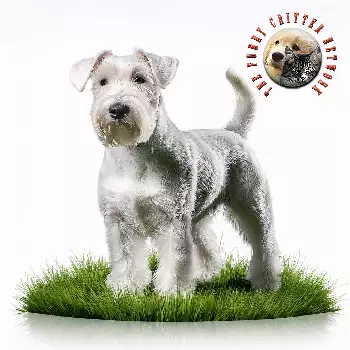

Space Requirements

The Glen of Imaal Terrier is adaptable to a range of living situations, from apartments to rural properties, provided their exercise and mental stimulation needs are met. Their moderate size and relatively calm indoor demeanor make them more apartment-friendly than many terrier breeds, though they still benefit from access to a secure outdoor area where they can explore and stretch their legs.

Indoors, a Glen needs enough room to move comfortably between resting spots, feeding areas, and family gathering spaces. They tend to follow their owners from room to room rather than claiming a single territory, so an open floor plan or the ability to move freely between rooms suits their social nature. Avoid confining them to a single small room for extended periods, as isolation can lead to boredom and destructive behavior.

For homes with yards, secure fencing is essential. Glens are earth dogs by heritage — the breed's original purpose involved going to ground after badgers and foxes — and they retain a strong digging instinct. Fencing should extend below ground level or include a buried apron to discourage tunneling. A fence height of at least four feet is generally sufficient, as Glens are not prolific jumpers, but their determination and problem-solving ability should not be underestimated.

Whether the living space is large or small, the key is providing dedicated zones for rest, play, and feeding. A well-organized living environment reduces stress for the dog and minimizes household disruption, especially during the early training period when boundaries are being established.

Crates & Kennels

A properly sized crate is one of the most useful housing tools for a Glen of Imaal Terrier. Crate training provides a safe retreat, aids in housebreaking, and gives the dog a den-like space that appeals to their instinctive preference for enclosed resting areas. For an adult Glen, a medium-sized crate — typically thirty to thirty-six inches in length — provides enough room to stand, turn around, and lie down comfortably without being so large that it undermines the den effect.

Wire crates offer excellent ventilation and visibility, which suits Glens that want to keep an eye on household activity from the comfort of their space. Many wire models fold flat for storage or travel, adding practical versatility. Plastic airline-style crates provide a more enclosed, cave-like environment that some Glens prefer, particularly for sleeping. They also meet airline cargo requirements if travel is part of the dog's lifestyle.

Heavy-duty crates constructed from reinforced steel or aluminum are available for dogs that test the boundaries of standard crates, though most Glens do not require this level of containment once they are properly crate-trained. The investment in a heavy-duty crate is usually only warranted for dogs with severe separation anxiety or those still in the early stages of acclimating to crate use.

Crate placement matters as much as crate selection. Position the crate in a common area where the family spends time, such as a living room or kitchen, so the Glen feels included rather than isolated. Covering the crate with a light blanket on three sides can create a cozier atmosphere while still allowing airflow and a clear view from the open front.

Beds & Sleeping Areas

Glen of Imaal Terriers appreciate a comfortable, supportive bed that accommodates their solid build. Bolster-style beds with raised edges are a popular choice because they allow the dog to rest their head on the rim and curl into the enclosed shape, satisfying the denning instinct common to the breed. The bed should be large enough for the dog to stretch out fully but cozy enough to feel secure.

Orthopedic beds with memory foam or high-density foam inserts are worth considering, particularly for adult and senior Glens. The breed's low-to-the-ground build places consistent pressure on the elbows, hips, and shoulders during rest, and a supportive mattress helps prevent calluses and joint stiffness. Waterproof liners beneath removable, washable covers add longevity to the investment and simplify cleanup.

Some Glens are enthusiastic diggers and scratchers before settling into their beds, so durability is an important factor. Beds with reinforced stitching and chew-resistant fabrics hold up better under this pre-sleep ritual. Avoid beds with loose stuffing or decorative elements like buttons or zippers that could be chewed off and ingested.

Placing multiple beds throughout the home allows the Glen to have comfortable resting options wherever the family gathers. A bed in the bedroom, another in the living area, and one inside the crate provides consistent comfort across all the dog's regular environments. Elevated cot-style beds are also useful in warmer months or for dogs that prefer a cooler sleeping surface, as the raised mesh allows airflow beneath the dog.

Outdoor Enclosures

An outdoor enclosure or exercise pen provides a secure space for a Glen of Imaal Terrier to enjoy fresh air and outdoor enrichment without the risks associated with unsupervised yard access. Portable exercise pens made from heavy-gauge wire panels are versatile options that can be configured in various shapes and moved around the yard to provide different scenery and terrain.

For permanent installations, a dedicated dog run with chain-link or welded wire fencing provides a durable containment area. The run should include a shaded section, fresh water access, and a comfortable resting surface. Concrete or paver flooring is easy to clean but can become hot in direct sunlight, so a combination of hard flooring and a grassy or mulched section offers both hygiene and comfort.

Given the Glen's digging heritage, any outdoor enclosure should account for the possibility of tunneling. Burying hardware cloth or wire mesh along the perimeter at a depth of six to twelve inches creates an effective barrier. Alternatively, pouring a narrow concrete footer beneath the fence line eliminates the digging escape route entirely. Ground-level locks and latches should be sturdy and resistant to manipulation by a clever terrier.

Outdoor enclosures should never serve as a substitute for supervised exercise and family interaction. Glens are people-oriented dogs that do not thrive when left in outdoor confinement for extended periods. The enclosure is best used as a safe space for short outdoor breaks, supervised play sessions, or transitional containment during yard maintenance or gardening.

Climate Considerations

The Glen of Imaal Terrier's double coat provides moderate insulation against cold weather, a legacy of the breed's origins in the chilly, damp climate of Ireland's mountain valleys. They generally tolerate cool temperatures well and can enjoy outdoor time in autumn and winter conditions without specialized clothing. However, prolonged exposure to extreme cold, especially when combined with wind and wet conditions, still requires common-sense management such as limiting outdoor time and providing a warm, dry shelter.

Heat management is a more pressing concern for Glens. Their dense undercoat can trap heat, and their compact, muscular body produces considerable warmth during activity. In hot climates or during summer months, ensure that indoor spaces are well-ventilated or air-conditioned, and that outdoor access is limited to cooler parts of the day. Signs of overheating include excessive panting, drooling, and reluctance to move, and these should be addressed immediately.

For indoor climate control, the Glen's sleeping area should be positioned away from direct heat sources like radiators, heating vents, or south-facing windows that receive strong afternoon sun. A cool tile floor or an elevated cot bed can provide relief during warm weather, while a self-warming or insulated bed adds comfort during colder months.

Humidity can also affect a Glen's comfort and coat health. High humidity combined with a thick undercoat creates conditions favorable to hot spots and skin irritation. Regular grooming and ensuring adequate airflow in the dog's primary resting areas help mitigate these issues. In regions with significant seasonal variation, adjusting the dog's bedding, crate covers, and room placement with the changing seasons is a practical way to maintain year-round comfort.

Multi-Pet Households

Glen of Imaal Terriers can coexist with other pets, but their terrier temperament requires thoughtful management of shared living spaces. They tend to have a strong prey drive that can be triggered by small animals, and some Glens may display same-sex aggression toward other dogs, particularly if both animals are assertive or territorial. Introducing housing arrangements that allow for separation when needed is a key strategy for multi-pet harmony.

Separate crates or dedicated sleeping areas for each pet prevent resource guarding and give every animal a safe retreat. Feeding stations should be physically separated so that no dog feels compelled to guard its food bowl. In households with both dogs and cats, providing the cat with elevated escape routes — shelves, cat trees, or gated rooms — ensures the cat can remove itself from interactions that become too intense.

Baby gates and room dividers are invaluable tools for managing a multi-pet household during the adjustment period and beyond. Glens that are well-socialized from puppyhood typically adapt more readily to living with other animals, but even well-adjusted dogs benefit from the option to retreat to their own space when they need downtime.

When introducing a Glen of Imaal Terrier into a home with existing pets, a gradual approach works best. Start with separate living areas and short, supervised introductions in neutral territory before allowing shared access to common spaces. Monitor body language closely during early interactions and be prepared to separate the animals if tension escalates. Over time, most Glens settle into a comfortable routine with their housemates, especially when each animal has clearly defined personal space.

Always consult a qualified professional before making any health-related decisions. This content is provided for informational reference only and should not replace professional guidance specific to your animal.