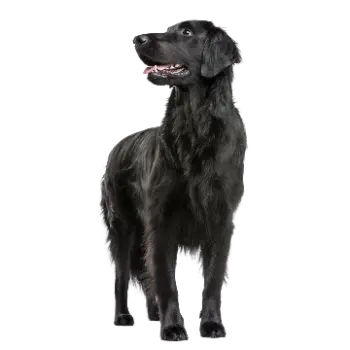

Collars, Harnesses & Leashes

A well-fitted collar is the most basic piece of equipment for any Flat-Coated Retriever. The collar should sit comfortably around the neck with room for two fingers between the collar and the dog's skin. For this breed, a flat buckle collar in a width of one to one-and-a-half inches provides good visibility for ID tags without being heavy or cumbersome. Nylon and biothane are both durable, easy-to-clean options that hold up well to the water exposure Flat-Coats regularly encounter.

Harnesses offer an excellent alternative for dogs that pull on leash or for activities where neck pressure should be minimized. Front-clip harnesses redirect pulling momentum back toward the handler, making walks more manageable during training. Back-clip harnesses distribute force across the chest and shoulders and work well for dogs that have already learned good leash manners. For a breed as strong and enthusiastic as the Flat-Coat, a properly fitted harness can make the difference between an enjoyable walk and an exhausting battle.

Leash selection depends on the activity. A standard six-foot leash provides the right balance of freedom and control for everyday walks. Leather leashes are comfortable in the hand and gain suppleness with age, while nylon and biothane options offer weather resistance that suits an outdoor-oriented breed. Long lines of fifteen to thirty feet are invaluable for recall training in open spaces, giving the dog room to practice coming when called while maintaining a safety backup.

Retractable leashes are generally not recommended for Flat-Coated Retrievers. The thin cord can cause friction burns, the locking mechanism offers inconsistent control over a powerful dog, and the variable length teaches the dog that pulling extends their range — the opposite of good leash behavior. A standard fixed-length leash paired with consistent training produces better long-term walking habits.

Grooming Tools

The Flat-Coated Retriever's medium-length, dense coat with feathering on the ears, chest, legs, and tail requires regular grooming to stay healthy and free of mats. A quality slicker brush is the primary tool for this breed, effective at working through the feathered areas where tangles most commonly form. Brushing two to three times per week prevents minor tangles from becoming stubborn mats that require cutting.

A stainless steel comb with both wide and fine teeth serves as the follow-up tool after brushing. Running the comb through the coat after brushing catches any tangles the slicker missed and verifies that the coat is truly knot-free. Pay particular attention behind the ears, in the armpit area, and along the back of the legs — these are the spots where friction creates the most matting in Flat-Coats.

Thinning shears are useful for tidying the feathering and maintaining a neat appearance without the sculpted look that would be inappropriate for this natural breed. Flat-Coated Retrievers should not be shaved or closely clipped, as their coat provides insulation against both heat and cold and protects the skin from sun damage. Light trimming of the feet, ears, and tail feathering is all that's needed to keep the coat looking tidy between professional grooming sessions.

Nail maintenance requires a quality pair of guillotine or scissor-style clippers, or a rotary grinding tool. Flat-Coats that run on hard surfaces may wear their nails down naturally, but most pet dogs need trimming every two to three weeks. Dark nails, common in this breed, make it harder to see the quick, so trim conservatively and use a nail grinder to smooth rough edges. Regular handling of the feet from puppyhood builds tolerance for nail care throughout the dog's life.

Bowls & Feeders

Stainless steel bowls are the gold standard for Flat-Coated Retrievers. They are durable, easy to sanitize, resistant to bacterial buildup, and heavy enough to resist tipping when a enthusiastic dog dives in. Avoid plastic bowls, which can harbor bacteria in scratches, contribute to contact dermatitis on the chin and muzzle, and deteriorate over time. Ceramic bowls are an acceptable alternative but can chip and crack, creating both bacterial risks and sharp edges.

Elevated feeding stations raise the food and water bowls to a more comfortable height for large dogs, reducing the degree of neck flexion required during meals. For Flat-Coated Retrievers, a bowl height that places the rim at the lower chest level is generally appropriate. Elevated feeders also reduce the mess that comes with a large dog splashing water or pushing kibble across the floor. Adjustable-height stands grow with the dog from puppyhood through adulthood.

Slow-feeder bowls with ridges, mazes, or raised patterns on the interior are worth considering for Flat-Coats that eat too quickly. Rapid eating increases the risk of choking, vomiting, and potentially bloat — a serious concern for deep-chested breeds. Slow feeders force the dog to work around obstacles to access food, extending meal times and promoting better digestion. Many dogs also seem to enjoy the mild puzzle element.

Travel bowls — collapsible silicone or fabric options — are essential gear for a breed that accompanies its owner on hikes, swims, and road trips. Keeping a portable water bowl in the car, in your hiking pack, and near the front door ensures your dog always has access to clean water during outings. Dehydration risk is real for active dogs, particularly during warm-weather exercise, and having a bowl ready removes the excuse for skipping water breaks.

Travel Gear

Flat-Coated Retrievers are natural travel companions — adaptable, sociable, and eager to go wherever their people go. A quality vehicle safety system is the foundation of safe travel. Crash-tested crates, vehicle-specific harness systems, and barrier gates that separate the cargo area from the passenger compartment all serve the purpose of keeping the dog secure during sudden stops or accidents. Choose the system that fits your vehicle and your dog's comfort preferences.

Car seat covers and cargo liners protect your vehicle's interior from the inevitable combination of water, mud, sand, and shed hair that comes with owning an active sporting dog. Waterproof, quilted covers that attach to the headrests provide full bench coverage and are easy to remove for washing. For SUVs and wagons, fitted cargo liners with raised edges contain mess and prevent water from seeping into the carpet.

For overnight trips and extended travel, a portable dog bed or mat provides a familiar sleeping surface that helps your Flat-Coat settle in unfamiliar environments. Dogs that have their own bed from home — carrying a familiar scent and texture — adjust more quickly to hotel rooms, rental properties, and campsite tents. Roll-up travel beds designed for portability pack small but provide meaningful comfort.

A travel kit stocked with essentials keeps you prepared for anything on the road. Include copies of vaccination records, a current photo of your dog for identification purposes, a basic first aid kit, extra leash and collar, waste bags, a portion of regular food in a sealed container, and any medications your dog takes. Having these items pre-packed in a dedicated bag means you're always ready to head out the door with your Flat-Coat at a moment's notice.

Safety & ID

Every Flat-Coated Retriever should wear a collar with a visible ID tag at all times, even in the house. Tags should include the dog's name, your phone number, and your city or zip code at minimum. Some owners also include a secondary phone number or a note about the dog's microchip. Durable stainless steel or brass tags with engraved rather than printed information hold up best over time.

Microchipping provides a permanent, tamper-proof form of identification that cannot fall off, be removed, or become illegible. The microchip is implanted between the shoulder blades in a procedure that takes seconds and causes minimal discomfort. Keep your registration information current with the microchip company — a chip is only useful if the contact details in the database are accurate. Verify your information annually and update it immediately after any move or phone number change.

Reflective and illuminated gear significantly improves safety during early morning and evening walks, particularly in areas with vehicle traffic. Reflective collars, leash attachments, and clip-on LED lights make your dark-coated Flat-Coat visible to drivers from a distance. Given that this breed's typical black or liver coloring makes them nearly invisible in low light, reflective gear is not optional — it's an essential safety measure for any owner who walks after dusk.

For dogs that spend time off-leash in unfenced areas, a GPS-enabled collar or tag attachment provides real-time location tracking. These devices pair with a smartphone app and can alert you if your dog leaves a designated safe zone. While GPS tracking doesn't prevent a dog from running off, it dramatically reduces the search time and anxiety when an adventurous Flat-Coat follows their nose further than intended.

Seasonal Gear

Summer gear for Flat-Coated Retrievers focuses on heat management and sun protection. Cooling vests that are soaked in water and evaporate over time help regulate body temperature during warm-weather activities. Cooling bandanas offer a lighter alternative for moderately warm days. Dog-safe sunscreen applied to the nose, ear tips, and any areas of thin or light-colored skin protects against UV damage during extended outdoor time.

Swimming gear is practically a seasonal essential for this water-loving breed. A canine life jacket provides buoyancy and visibility during lake, river, and ocean swimming sessions. Even strong swimmers benefit from a life jacket during extended water outings, in choppy conditions, or when boating. Choose a jacket with a sturdy dorsal handle that allows you to lift or assist the dog easily. High-visibility colors like orange or yellow make the dog easy to spot on the water.

Winter gear requirements depend on your climate and the dog's individual tolerance. Most Flat-Coated Retrievers handle cold weather well thanks to their dense double coat, but paw protection may be needed in areas where salt, ice melt chemicals, or extreme cold affect walking surfaces. Dog boots protect paw pads from chemical burns and ice ball buildup between the toes. If your dog refuses boots — and many do initially — a paw wax provides a barrier against irritants and helps prevent cracking.

Rainy-season gear includes waterproof coats that cover the back and chest while leaving the legs free for natural movement. While Flat-Coated Retrievers are water-resistant by nature, a rain coat reduces the amount of moisture absorbed by the feathering and undercoat, which translates to less toweling off and less wet-dog smell in your home. Quick-dry microfiber towels specifically sized for large dogs are another worthwhile investment for the mudroom or entryway.

Always consult a qualified professional before making any health-related decisions. This content is provided for informational reference only and should not replace professional guidance specific to your animal.