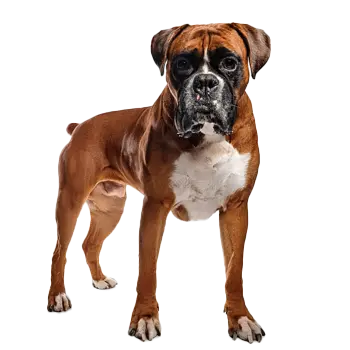

Boxers are medium-to-large dogs with an athletic build and boundless energy, which means they need more living space than their size alone might suggest. While they can adapt to apartment living if given sufficient daily exercise, they thrive in homes with access to a securely fenced yard where they can run, play, and burn off energy between walks. A Boxer that lacks adequate space and stimulation will often channel that excess energy into destructive behaviors like chewing furniture, scratching doors, or pacing restlessly.
Indoors, Boxers need enough room to move freely without constantly bumping into furniture or knocking things over — their enthusiastic tail-wagging and exuberant greetings can clear a coffee table in seconds. Designate a specific area of the home as the dog's space, equipped with a bed, water bowl, and a few toys. This gives your Boxer a sense of ownership over their spot while keeping the rest of the home organized.
If you live in a smaller space, daily exercise becomes non-negotiable rather than optional. Two vigorous walks of at least 30 minutes each, combined with play sessions or training exercises, can compensate for limited indoor square footage. Mental stimulation through puzzle toys and obedience work is equally important, as a mentally tired Boxer is far less likely to become destructive than one who is only physically exhausted.
Yard fencing for Boxers should be at least five to six feet high. Despite their stocky build, Boxers are surprisingly agile jumpers, and a motivated Boxer can clear a four-foot fence with relative ease. Chain-link or solid wood privacy fencing both work well, though solid fencing has the added advantage of reducing visual stimulation from passing pedestrians, cyclists, and other dogs — all of which can trigger excited barking and fence-running.