
Play Style & Drive

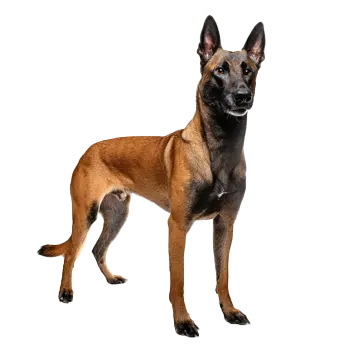
Understanding how a Belgian Malinois plays is the prerequisite to choosing toys that will actually survive and serve their purpose. This breed does not play casually. A Malinois engages with toys the way it engages with work — with full commitment, intensity, and often startling physical force. What looks like play to an observer is often the dog expressing deeply wired drives: prey drive, hunt drive, tug drive, and possession drive all manifest during toy interaction.

Most Malinois are strongly toy-motivated, which is precisely why the breed excels in detection work, sport, and competitive obedience. This toy drive is a training asset, but it also means the dog will test every toy to its structural limits within minutes of receiving it. Toys designed for average chewers rarely survive a single session. Planning your toy purchases around durability and drive satisfaction rather than aesthetics or novelty will save money and frustration.

Play preferences vary by individual, but common patterns emerge across the breed. Many Malinois favor tug-style play, which satisfies their grip drive and provides cooperative engagement with their handler. Others are obsessive retrievers who will chase a thrown object until they physically cannot continue. Some dogs combine both, wanting a vigorous tug session followed by a high-speed retrieve. Observing which style your dog gravitates toward naturally will guide your purchasing decisions more effectively than any product description.

It is worth noting that toy play for a Malinois should always include structure and rules. Free access to unlimited toys often reduces their value as training rewards and can create possessive behavior. Rotating toys, keeping high-value items handler-controlled, and using toys as earned rewards during training sessions preserves their motivational power and prevents the dog from becoming bored with items that should remain exciting.

Interactive & Puzzle Toys

Mental enrichment is not optional for a Belgian Malinois — it is a survival requirement for your household. A Malinois with nothing to think about will invent its own puzzles, and those puzzles usually involve disassembling furniture, opening cabinets, or excavating the backyard. Puzzle toys and interactive feeders channel that cognitive energy into appropriate outlets and provide genuine mental fatigue that physical exercise alone cannot deliver.

Food-dispensing puzzle toys are the most accessible entry point for mental enrichment. Start with simpler designs that require the dog to roll, nudge, or paw at a container to release kibble, then progress to more complex multi-step puzzles as the dog masters each level. Most Malinois solve beginner puzzles within minutes and need intermediate or advanced designs to remain engaged. The challenge should be achievable but not instant — if the dog empties the puzzle in under two minutes, it is time to upgrade.

Snuffle mats and scent-based enrichment activities leverage the dog's natural olfactory abilities and provide a different type of mental engagement than mechanical puzzles. Scattering kibble across a snuffle mat or hiding treats in a series of boxes forces the dog to use its nose systematically, which is both mentally taxing and inherently rewarding. These activities are particularly useful for calming high-arousal dogs before crate time or during periods of enforced rest.

Interactive toys that require handler participation — such as treat-dispensing balls that can be thrown, or tug toys with hidden food compartments — combine physical engagement with problem-solving and social bonding. For a breed that thrives on partnership with its handler, these combination toys often deliver more satisfaction than solo puzzle toys. They also create natural training opportunities, as the dog must demonstrate impulse control to access the reward.

Chew Toys & Durability

The chewing power of a Belgian Malinois is frequently underestimated by first-time owners. This breed can reduce a standard rubber toy to fragments in a single unsupervised session, and many so-called "indestructible" toys last only marginally longer. Selecting chew toys for a Malinois requires an honest assessment of your individual dog's chewing intensity and a willingness to invest in products manufactured specifically for power chewers.

Natural rubber compounds rated for aggressive chewers represent the most reliable category for daily chewing. These toys should be solid or near-solid construction — hollow toys with thin walls are punctured quickly, and the resulting fragments become choking hazards or gastrointestinal obstructions. Look for products that carry explicit power-chewer ratings and check reviews specifically from owners of large, strong-jawed breeds rather than relying on general consumer feedback.

Nylon and composite chew toys offer extended durability but require monitoring. These materials hold up well against sustained chewing but can develop sharp edges or small fragments as they wear down. Inspect nylon chews regularly and replace them when they show significant gouging, sharp points, or pieces small enough to break off and be swallowed. No chew toy should be considered permanently safe — everything has a functional lifespan.

Natural chews like bully sticks, tendons, and dried animal parts provide satisfying chewing experiences with the added benefit of being fully digestible. These are consumable rather than durable, so they function more as enrichment activities than long-term toys. Always supervise natural chew sessions and remove the chew when it reaches a size small enough to be swallowed whole. For a Malinois, that threshold arrives faster than most owners expect.

Fetch & Outdoor Toys

Fetch is a cornerstone activity for many Malinois, and the right fetch toys can transform a simple backyard session into meaningful physical and mental exercise. Standard tennis balls are the classic option but present durability and safety concerns for this breed. The felt covering wears down tooth enamel over time with heavy use, and many Malinois can compress a tennis ball enough to create a choking risk. Solid rubber balls designed for powerful breeds offer the same chase-and-retrieve satisfaction with significantly better durability and safety margins.

Ball launchers extend throwing distance and reduce wear on your arm during extended fetch sessions — and with a Malinois, every session is an extended session. Manual launchers that use a curved stick design are simple and reliable, while mechanical launchers can provide independent fetch opportunities for dogs trained to reload them. If using a mechanical launcher, ensure the launch distance is appropriate for your space and that the dog has been properly introduced to the machine's sound and motion.

Flying discs offer a different flight dynamic than balls and tap into the breed's aerial athleticism. Malinois are natural leapers, and disc play encourages spectacular catches that provide both exercise and drive satisfaction. Choose flexible rubber or fabric discs rather than hard plastic, which can injure teeth and gums during aggressive catches. Start disc training with rollers along the ground before progressing to aerial throws, building the dog's tracking ability and confidence incrementally.

Water toys deserve consideration if your Malinois enjoys swimming. Floating retrieve bumpers, buoyant rubber toys, and water-specific tug toys add variety to exercise routines and provide low-impact physical activity that is easier on joints than repetitive land-based fetch. Not all Malinois are natural swimmers, so introduce water gradually and never force a reluctant dog into deep water regardless of the breed's general athletic reputation.

Comfort & Companion Toys

The image of the Belgian Malinois as a relentless working machine overlooks the fact that many of these dogs have a genuine attachment to comfort objects. Puppies in particular benefit from having a soft toy in their crate that carries familiar scents and provides something to curl up against during the transition away from littermates. Even adult Malinois sometimes carry a favored plush toy around the house, groom it, or sleep with it tucked under their chin.

The challenge with comfort toys is durability. A toy the dog treats gently during calm moments may be destroyed during a play arousal spike. Some owners maintain separate toy categories — supervised comfort toys for calm periods and durable options for active play — rotating them based on the dog's current energy state. This approach preserves comfort objects while acknowledging that the same dog capable of gentle carrying is also capable of gutting a stuffed animal in seconds.

For puppies and young dogs experiencing crate training or separation conditioning, heartbeat simulators and warmth-retaining toys can reduce whining and distress during initial alone-time practice. These products mimic the physical sensation of nestling against a littermate and can meaningfully ease the transition to solo sleeping. Their value typically diminishes as the puppy matures and gains confidence, but during the critical socialization window they are worth the investment.

Squeaker toys occupy an interesting middle ground between comfort and stimulation. Many Malinois are intensely motivated by squeakers, which tap into prey-drive instincts and create immediate feedback during play. The risk is that determined dogs will surgically extract and swallow squeaker mechanisms, creating a foreign-body hazard. If your Malinois targets squeakers specifically, choose toys with recessed or reinforced squeaker housings, and supervise all squeaker play sessions without exception.

DIY & Budget Options

Commercial toy budgets for a Belgian Malinois can escalate quickly when the dog destroys products at a rate that outpaces your purchasing schedule. Fortunately, some of the most effective enrichment options cost little or nothing and can be assembled from household items. A muffin tin with tennis balls covering treats in each cup creates a simple puzzle. A towel knotted around kibble becomes a scent-and-manipulation challenge. Cardboard boxes nested inside each other with treats hidden between layers provide destruction-approved shredding opportunities.

Frozen enrichment is one of the most cost-effective tools available. Fill a durable rubber toy with a mixture of kibble, plain yogurt, mashed banana, or pumpkin puree, then freeze it overnight. The frozen filling extends engagement time dramatically compared to dry-filled toys and provides cooling enrichment during warm weather. You can also freeze a rope toy in a block of water with treats embedded throughout, creating a lick-and-chew activity that occupies even a high-drive dog for extended periods.

Flirt poles can be constructed from a length of PVC pipe, paracord, and a hide or fleece lure tied to the end. This simple tool provides intense prey-drive exercise in a small space and builds impulse control when paired with obedience commands like sit, wait, and release. A five-minute flirt pole session can produce more physical and mental fatigue than thirty minutes of aimless backyard running, making it one of the highest-value tools per dollar invested.

Rotation is the ultimate budget strategy. Dogs lose interest in constantly available toys regardless of quality. By maintaining a collection of ten to fifteen items and rotating four to five into active availability at a time, each toy feels novel when reintroduced. This approach extends the functional life of every toy in your inventory and maintains the motivational value that makes toys useful as training rewards — an essential consideration for a breed that works for access to play.

Always consult a qualified professional before making any health-related decisions. This content is provided for informational reference only and should not replace professional guidance specific to your animal.