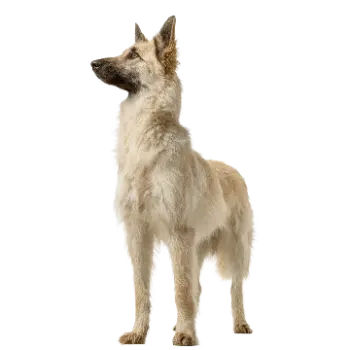

Space Requirements

The Belgian Laekenois is a breed built for movement, vigilance, and work, which means their living environment needs to accommodate a dog that rarely sits still for long. While they can adapt to apartment or townhouse living if provided with sufficient daily exercise, they genuinely thrive in homes with access to a securely fenced yard where they can patrol, play, and burn off energy between structured outings. A minimum yard size of around 2,000 to 3,000 square feet gives them reasonable room to move, though more space is always welcome.

Indoors, the Laekenois tends to follow their owner from room to room, positioning themselves where they can observe household activity while remaining ready to respond to any perceived change in the environment. This means their resting spots should be distributed throughout the main living areas rather than confined to a single room. A bed or mat in the living room, another near the kitchen, and a crate in a quieter area for downtime creates a setup that respects the breed's natural guarding instincts.

Fencing is a critical consideration for outdoor spaces. The Laekenois is an agile, athletic dog capable of clearing surprisingly tall barriers when motivated. A minimum fence height of six feet is recommended, and the fence should be solid or semi-solid rather than chain link if possible, as visual barriers reduce reactive behavior toward passing pedestrians, animals, or vehicles. Inspect the fence line regularly for gaps, loose boards, or areas where digging could create an escape route.

For owners without a yard, structured daily exercise becomes non-negotiable. Two to three outings per day totaling at least 90 minutes of active movement — running, hiking, structured play, or training work — is the minimum needed to keep a Laekenois mentally and physically satisfied in a smaller living space.

Crates & Kennels

A properly sized crate serves as a valuable management tool and personal retreat for the Belgian Laekenois, particularly during the puppy and adolescent stages when unsupervised freedom can lead to destructive behavior born from boredom or anxiety. For an adult Laekenois, a 42-inch crate is the standard recommendation, though taller or longer individuals may need a 48-inch model. The dog should be able to stand without crouching, turn around comfortably, and lie down fully stretched.

Wire crates offer excellent ventilation and visibility, which suits Laekenois that prefer to maintain visual contact with their surroundings. Heavy-gauge wire construction is important for this breed — lightweight, thin-gauge crates can be bent or broken by a determined Laekenois, especially during early crate training or during periods of anxiety like thunderstorms. Double-door models provide flexibility in placement and make it easier to position the crate in different rooms.

Plastic airline-style crates create a more den-like environment with reduced visual stimulation, which can be calming for Laekenois that become overstimulated or reactive when crated in high-traffic areas. These are also the standard for airline travel if you need to transport your dog by air. Ensure the crate meets current airline dimensional requirements well before any planned travel.

Crate training should be approached as a gradual, positive process. The Laekenois is a sensitive breed that does not respond well to being forced into confinement. Build positive associations by feeding meals in the crate, offering high-value chews inside, and gradually increasing the duration of closed-door sessions. A well-crate-trained Laekenois will seek out their crate voluntarily as a resting space, which is the ultimate goal of the training process.

Beds & Sleeping Areas

Belgian Laekenois tend to cycle through several resting positions throughout the day and night, alternating between curled-up napping and fully stretched-out deep sleep. A bolster bed with raised edges suits their curled position and provides a sense of security, while a large flat mat or platform bed accommodates the full-body stretch. Having both styles available lets the dog choose based on their current comfort preference.

Orthopedic beds with memory foam or high-density support foam are a worthwhile investment, particularly for adult and senior Laekenois. The breed's active lifestyle puts consistent stress on joints and muscles, and quality rest surfaces help with recovery and long-term joint health. Look for beds with at least three to four inches of supportive foam rather than thin cushions that compress to nearly nothing under the dog's weight.

The Laekenois's rough, wiry coat is relatively low-maintenance compared to longer-coated breeds, but it does shed and can trap dirt. Beds with removable, machine-washable covers make regular cleaning practical. Waterproof liners beneath the cover protect the foam core from accidents, drool, and moisture tracked in from outdoor excursions. Dark-colored covers tend to show less visible soiling between washings.

Placement matters as much as the bed itself. The Laekenois wants to rest where they can monitor their environment, so beds placed in corners with a clear sightline to room entrances tend to be used more than beds tucked away in isolated spots. Elevated cot-style beds work well in warmer climates or during summer months, as airflow beneath the sleeping surface helps regulate body temperature for a breed that carries a dense undercoat.

Outdoor Enclosures

Outdoor kennels and runs can provide a Belgian Laekenois with a safe, contained outdoor space for fresh air and supervised free time when direct human supervision isn't possible for short periods. A well-constructed outdoor run should measure at least six feet wide by twelve feet long for a single Laekenois, with six-foot-tall panels and a secure top or angled inward extensions to prevent climbing escapes. The breed's intelligence and athleticism make escape-proofing a genuine engineering challenge.

Flooring within the enclosure is an important consideration. Concrete pads are easy to clean and sanitize but can be hard on joints and hot in direct sun. Pea gravel provides decent drainage and is comfortable underfoot but can be scattered and requires periodic replenishment. Rubber kennel flooring tiles offer a good compromise — cushioned, easy to clean, and durable — though they represent a higher upfront cost.

Shade and weather protection are essential components of any outdoor enclosure. A solid roof or shade structure over at least half the run protects against sun, rain, and snow. Insulated dog houses placed within the run provide an additional retreat during temperature extremes, though the Laekenois should never be left in outdoor enclosures during severe weather. Fresh water must be available at all times, ideally through a spill-proof mounted bowl or automatic waterer.

It is important to understand that outdoor enclosures are supplements to indoor family living, not substitutes for it. The Belgian Laekenois is a breed that bonds deeply with its family and deteriorates behaviorally when isolated outdoors for extended periods. Excessive kennel time leads to frustration barking, destructive behavior, and the development of anxiety-driven habits that are difficult to reverse once established.

Climate Considerations

The Belgian Laekenois carries a double coat — a rough, wiry outer layer and a dense, insulating undercoat — that provides reasonable protection against cold and wet conditions. This coat evolved in the Belgian climate, which features cool, damp winters and mild summers, so the breed is generally well-suited to temperate environments. In colder climates, the Laekenois handles winter conditions better than many breeds, though prolonged exposure to extreme cold below zero degrees Fahrenheit still warrants protective measures.

Heat management deserves more attention than cold weather preparation for this breed. The dense undercoat that insulates against cold also traps heat during warm months, making the Laekenois susceptible to overheating during vigorous exercise in temperatures above 80 degrees Fahrenheit. Provide access to shade, fresh water, and cooling surfaces during summer. Cooling mats, elevated cot beds that allow air circulation, and access to air-conditioned indoor spaces during peak heat hours are practical solutions.

Indoor climate control matters year-round. Ideal indoor temperatures for a Laekenois fall between 65 and 75 degrees Fahrenheit. During winter, avoid placing beds or crates directly next to heating vents, as forced hot air can dry out the skin and coat. In summer, ensure the dog's primary resting areas have adequate airflow — ceiling fans, floor fans, or proximity to air conditioning vents help maintain comfort without over-cooling.

For owners in humid climates, attention to drying the coat after rain or swimming is important. The dense undercoat can retain moisture against the skin for extended periods, creating conditions conducive to hot spots and fungal skin infections. A thorough towel-dry followed by air circulation — or a low-heat blow dryer for dogs accustomed to the noise — helps prevent these issues.

Multi-Pet Households

Introducing a Belgian Laekenois into a multi-pet household requires thoughtful planning around space, resources, and individual animal temperaments. The breed's strong guarding instincts and tendency toward resource possessiveness mean that each pet in the household should have clearly defined personal spaces — separate feeding stations, individual beds or crates, and access to their own water sources. Shared resources are the most common trigger for conflict between resident animals.

When housing multiple dogs, crate placement and sleeping arrangements should be configured to minimize direct confrontation. Crates placed side by side can create tension between dogs that haven't fully established a comfortable relationship. Positioning crates in the same room but with visual barriers or adequate spacing — at least three to four feet apart — allows dogs to share proximity without the stress of forced close contact.

The Laekenois can coexist peacefully with cats and other small animals, but their herding drive means introductions should be gradual and carefully managed. Baby gates and separate living zones during the initial adjustment period — which may last several weeks to several months — allow animals to become familiar with each other's scent and presence without the risk of chase-driven incidents. Never leave a Laekenois unsupervised with small animals until you have absolute confidence in the dog's impulse control.

For households with existing dogs, neutral-territory introductions followed by structured parallel activities — leashed walks side by side, for example — build positive associations more effectively than simply placing two dogs in the same yard and hoping for the best. The Laekenois forms strong bonds once trust is established, and many multi-dog households find that the breed becomes a devoted companion to its canine housemates once the initial adjustment period has passed.

Always consult a qualified professional before making any health-related decisions. This content is provided for informational reference only and should not replace professional guidance specific to your animal.