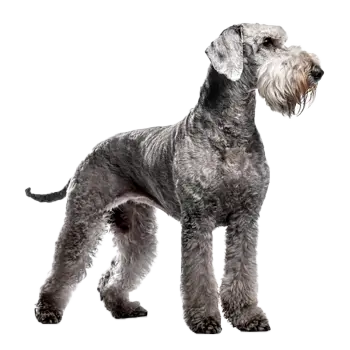

Play Style & Drive

Bedlington Terriers possess an interesting combination of terrier tenacity and graceful athleticism that shapes their play preferences. Originally bred for hunting vermin in the mining regions of northern England, they retain a strong prey drive that manifests in their enthusiasm for chasing, pouncing, and shaking toys. Despite their lamb-like appearance, Bedlingtons are surprisingly quick and agile, capable of sudden bursts of speed that rival sighthound breeds.

Their intelligence is another defining factor in play. Bedlingtons are quick learners who become bored with repetitive activities faster than many other breeds. A toy that provides no challenge or variation will be abandoned within minutes, while one that engages their problem-solving instincts can hold their attention for extended periods. This means a successful toy collection for a Bedlington should emphasize variety and mental engagement alongside physical activity.

Socially, Bedlingtons tend to enjoy interactive play with their owners more than solitary amusement. Tug games, chase sequences, and hide-and-seek variations tap into their desire for connection and cooperative activity. They are typically gentle enough to play safely with children, though their terrier instincts can occasionally surface in the form of possessiveness over a favorite toy. Teaching reliable drop and leave-it commands early establishes healthy play boundaries.

It is worth noting that Bedlington Terriers can be selective about playmates among other dogs. They may play enthusiastically with familiar dogs but show little interest or mild tension with unfamiliar ones. Observing your dog's body language during play interactions helps you determine which social settings and toy-sharing scenarios work best for your individual Bedlington.

Interactive & Puzzle Toys

Puzzle toys are perhaps the single most valuable enrichment category for a Bedlington Terrier. These dogs thrive on mental challenges, and a well-chosen puzzle toy can provide the cognitive workout that prevents boredom-driven behaviors like excessive barking, digging, or destructive chewing. Start with beginner-level puzzles that require the dog to slide, flip, or lift components to reveal hidden treats, then progress to more complex multi-step designs as your dog masters each level.

Treat-dispensing toys that require rolling, nudging, or manipulation to release food are another excellent option. These can be used during mealtimes to slow down fast eaters while simultaneously providing mental stimulation. Rubber toys with hollow centers that can be stuffed with kibble, peanut butter, or wet food and then frozen create a long-lasting challenge that keeps a Bedlington occupied during periods when you cannot actively engage with the dog.

Snuffle mats and foraging toys tap into the breed's natural hunting instincts by requiring the dog to use its nose to locate hidden treats within fabric folds or textured surfaces. This type of enrichment is particularly calming and can be used as a settling activity before bedtime or during quiet periods. The combination of scent work and food reward satisfies multiple drives simultaneously.

Rotating puzzle toys on a weekly basis prevents habituation and keeps the challenge fresh. A Bedlington that has memorized the solution to a particular puzzle will complete it in seconds and lose interest. Maintaining a library of four to six different puzzles and cycling them ensures that each reintroduction feels novel. Some owners also increase difficulty by reducing treat visibility or adding obstacles, which extends the useful life of each toy.

Chew Toys & Durability

While Bedlington Terriers are not classified as power chewers on the level of larger, more jaw-intensive breeds, they are still terriers with a genuine desire to gnaw, shred, and dissect their toys. Selecting toys with appropriate durability prevents premature destruction and, more importantly, reduces the risk of your dog ingesting fragments of broken toys. Medium-duty rubber and nylon toys generally hold up well for this breed without being so hard that they risk cracking teeth.

Natural chew options such as bully sticks, tendons, and dried fish skins provide a satisfying chewing experience while also delivering nutritional benefits. These should be offered under supervision, and any piece that becomes small enough to swallow whole should be taken away immediately. Rawhide products are generally best avoided, as they can swell in the stomach and cause gastrointestinal blockages. Compressed vegetable-based chews offer a safer alternative with similar texture appeal.

Textured rubber toys designed for moderate chewers strike a good balance between durability and engagement for most Bedlingtons. Look for products with varied surface textures including ridges, nubs, and grooves that massage the gums and help remove plaque during chewing. Some of these toys also include compartments for treat paste, adding a food motivation layer to the chewing experience.

Always inspect chew toys regularly for signs of wear. Cracked rubber, exposed stuffing, detached squeakers, and fraying rope fibers all present choking and ingestion hazards. Establish a routine of checking toys after each play session and retiring any that show structural compromise. Replacing toys proactively is far less expensive than an emergency veterinary visit for a foreign body obstruction.

Fetch & Outdoor Toys

Fetch is a natural fit for the Bedlington Terrier's prey drive and athletic ability. The breed's sighthound-like speed and keen visual tracking make them enthusiastic chasers, and many Bedlingtons will retrieve reliably with minimal training. Standard tennis balls work well for casual backyard fetch, but purpose-built rubber fetch balls are more durable and lack the abrasive felt covering that can wear down tooth enamel over time with heavy use.

Ball launchers extend the throwing distance and reduce strain on your arm during extended fetch sessions. These tools are particularly useful for tiring out a young, energetic Bedlington in a fenced yard or open field. Start with short throws to build confidence and gradually increase distance as the dog demonstrates reliable recall. Automatic ball launchers can also provide independent fetch entertainment, though most Bedlingtons prefer the interactive element of playing with their owner.

Flying discs designed for dogs offer an alternative to ball fetch and add a vertical element that challenges the Bedlington's agility and timing. Soft rubber or fabric discs are safer for canine mouths than rigid plastic models and are less likely to cause dental injury during mid-air catches. Frisbee-style play works best on soft surfaces like grass to protect the dog's joints during landing.

Tug toys made from durable rope, rubber, or reinforced fabric are excellent for interactive outdoor play and provide a physical outlet for the breed's competitive terrier spirit. Tug games also build confidence and strengthen the bond between dog and handler when played with clear rules. Always let the dog win occasionally to maintain enthusiasm, and end the game before the dog becomes overly aroused or frustrated.

Comfort & Companion Toys

Despite their spirited terrier nature, Bedlington Terriers have a notably affectionate and sometimes sensitive side that makes comfort toys a worthwhile addition to their collection. Plush toys serve as companions for dogs that enjoy carrying, cuddling, or settling down with a soft object. Many Bedlingtons will adopt a particular stuffed toy as a favorite and carry it from room to room, sleep with it, and guard it from other household pets.

When selecting plush toys, prioritize those with reinforced seams and minimal small parts. Plastic eyes, noses, and decorative buttons are choking hazards that should be removed or avoided entirely. Double-stitched seams and internal lining layers extend the life of the toy and reduce the likelihood of stuffing extraction, which is a favorite pastime for many terriers. Some manufacturers offer unstuffed plush toys that provide the soft-toy experience without the mess and ingestion risk of polyester filling.

Heartbeat simulators and warming toys can be especially comforting for Bedlington puppies adjusting to life away from their littermates. These products typically contain a battery-operated pulsing mechanism and a microwavable heat pack that mimics the warmth and rhythmic heartbeat of a sleeping companion. While most dogs outgrow the need for these within a few weeks, they can significantly ease the transition during the first nights in a new home.

For adult Bedlingtons that experience separation anxiety, comfort toys paired with an article of the owner's worn clothing can provide reassurance during absences. The familiar scent combined with the tactile comfort of a soft toy can reduce stress behaviors and help the dog settle more quickly. This is a simple, low-cost strategy that complements other anxiety management approaches.

DIY & Budget Options

Enrichment for your Bedlington Terrier does not require a large financial investment. Many of the most engaging activities can be created from household items at little or no cost. A muffin tin with tennis balls placed over treats in each cup creates an instant puzzle toy that challenges the dog to lift or nudge each ball to access the reward. Empty cardboard boxes with treats hidden inside become exciting shredding and foraging projects that most terriers find irresistible.

Old t-shirts or towels can be braided into sturdy tug toys that rival commercial rope toys in durability. Cut the fabric into long strips, knot them at one end, braid tightly, and secure with another knot. These homemade tug toys are machine-washable and can be replaced easily when they show wear. Fleece fabric works particularly well because it does not fray into ingestible strings the way cotton and terry cloth can.

Frozen enrichment is another budget-friendly powerhouse. Freezing a mixture of kibble, plain yogurt, and mashed banana inside a silicone mold or reusable container creates a long-lasting treat puzzle that provides both mental stimulation and a cooling reward on warm days. Ice cube trays with small treats frozen inside water or low-sodium broth offer a simple variation that requires minimal preparation.

Rotation is the key to maximizing the value of any toy collection, whether premium or homemade. Keep half your dog's toys stored away and swap them every few days. The reappearance of a previously unavailable toy triggers renewed interest that mimics the excitement of receiving something new. This approach effectively doubles your toy inventory and keeps your Bedlington consistently engaged without constant spending.

Always consult a qualified professional before making any health-related decisions. This content is provided for informational reference only and should not replace professional guidance specific to your animal.