
Collars, Harnesses & Leashes

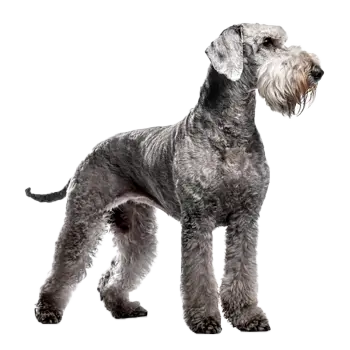
Choosing the right collar and leash combination for a Bedlington Terrier requires attention to the breed's unique physical characteristics. The Bedlington has a relatively long, narrow neck that tapers gracefully from the shoulders to the head, which means flat collars can slip over the ears if not fitted snugly. A collar width of three-quarters to one inch is generally appropriate, and it should be adjusted so you can slide two fingers between the collar and the dog's neck without excess slack.

Harnesses are an excellent alternative to collars for leash walking, particularly for Bedlingtons that pull or for owners who prefer to avoid pressure on the trachea. A front-clip harness redirects pulling energy by steering the dog's chest toward you, while a back-clip harness provides a comfortable attachment point for dogs that already walk politely on leash. Step-in and overhead styles are both available, and individual preference often determines which your dog tolerates most readily during the fitting process.

Leash selection depends on walking context and training goals. A standard six-foot leash made from nylon, leather, or biothane provides adequate control for neighborhood walks while giving the dog room to explore. Retractable leashes offer more freedom in open areas but reduce the handler's control in high-traffic or unpredictable situations, so they should be used judiciously. For training purposes, a lightweight long line of fifteen to thirty feet allows controlled off-leash practice in safe, enclosed areas.

For the Bedlington's distinctive coat, smooth or rolled leather collars tend to cause less friction and matting around the neck than wide nylon webbing. Some owners opt for a martingale collar, which provides gentle tightening under tension to prevent slip-outs without the choking effect of a traditional slip collar. Whichever style you select, check the fit regularly as coat growth between grooming sessions can alter neck circumference.

Grooming Tools

The Bedlington Terrier's coat is one of the breed's most distinctive features and also one of its most demanding maintenance requirements. The combination of hard and soft hair creates a thick, linty texture that does not shed in the traditional sense but grows continuously and mats easily if neglected. A comprehensive grooming toolkit is essential for keeping the coat healthy, manageable, and true to the breed's characteristic appearance.

A high-quality slicker brush is the foundation of Bedlington coat care. This tool removes tangles, distributes natural oils, and lifts dead hair from the undercoat before it can form mats. Brushing should be done at least every other day, working through the coat methodically from the legs upward to the body and head. A stainless steel comb with both fine and coarse teeth serves as a finishing tool to detect any remaining tangles that the slicker brush missed.

Clippers and scissors are necessary for maintaining the breed's distinctive trim. Most Bedlington owners who handle grooming at home invest in a professional-grade clipper with adjustable blade lengths and a set of thinning shears for blending. The traditional Bedlington trim involves a close clip on the body with longer furnishings on the legs and a rounded topknot on the head. Learning this specific trim takes practice, and many owners schedule professional grooming every six to eight weeks while maintaining coat condition between appointments with regular brushing.

Nail maintenance, ear cleaning, and dental care round out the grooming essentials. A rotary nail grinder or guillotine-style clipper keeps nails at an appropriate length, which is important for maintaining proper foot structure and gait. The Bedlington's drop ears create a warm, enclosed environment that can harbor bacteria and yeast, so a gentle ear cleaning solution and cotton pads should be on hand for weekly checks. A dog-specific toothbrush and enzymatic toothpaste used several times per week help prevent periodontal disease.

Bowls & Feeders

The right feeding setup contributes to your Bedlington Terrier's comfort, hygiene, and eating habits. Stainless steel bowls remain the gold standard for most dog owners due to their durability, ease of cleaning, and resistance to harboring bacteria. They are dishwasher-safe, virtually indestructible, and do not leach chemicals into food or water. Choose a bowl with a rubber-rimmed base to prevent sliding across the floor during enthusiastic eating.

Ceramic bowls offer a heavier, more stable alternative that resists tipping and sliding. They are available in a wide range of sizes and designs and are generally dishwasher-safe, though they should be inspected regularly for chips or cracks in the glaze that could harbor bacteria. Avoid plastic bowls, which can scratch over time and develop micro-grooves where bacteria accumulate. Some dogs also develop contact dermatitis on the chin and muzzle from prolonged exposure to certain plastics.

Elevated feeders raise the food and water bowls to a height that reduces neck strain during eating. For a medium-sized breed like the Bedlington Terrier, a feeder height of four to six inches above the floor is generally appropriate. Elevated feeders also help keep the Bedlington's ear furnishings and facial hair out of the food and water, reducing post-meal mess and the need for face cleaning after every feeding.

Slow-feeder bowls with internal ridges or maze-like patterns are beneficial for Bedlingtons that eat too quickly. Rapid eating increases the risk of bloating, choking, and digestive discomfort. These bowls force the dog to work around obstacles to access food, naturally slowing consumption by five to ten times compared to a standard bowl. They come in various difficulty levels, and starting with a simpler pattern prevents frustration during the adjustment period.

Travel Gear

Bedlington Terriers are generally good travelers, thanks to their adaptable temperament and manageable size. However, proper travel gear ensures safety and comfort for both the dog and the owner during car trips, air travel, or outings. A crash-tested travel crate or carrier that fits securely in the vehicle's cargo area or on the back seat provides the safest method of car transportation. The crate should be large enough for the dog to stand and turn but snug enough to prevent excessive movement during sudden stops.

For owners who prefer not to use a crate in the car, a crash-tested seat belt harness offers an alternative restraint system. These harnesses attach to the vehicle's existing seatbelt hardware and restrict the dog's movement to a safe zone on the seat while allowing enough range to sit, stand, and lie down. Never allow a dog to ride unrestrained in a moving vehicle, as even a minor collision can turn an unsecured pet into a dangerous projectile.

A collapsible travel water bowl, portable food container, and waste bag dispenser form the core of an on-the-go essentials kit. Silicone collapsible bowls pack flat and weigh almost nothing, making them ideal for hiking, day trips, and park outings. A dedicated travel bag stocked with a spare leash, ID copies, vaccination records, any medications, and a familiar blanket or toy keeps everything organized and ready for impromptu or planned excursions.

For air travel, verify airline-specific crate requirements well in advance. Most airlines mandate a hard-sided carrier that meets IATA specifications, with particular dimensions and ventilation standards. The Bedlington's size typically allows cabin travel on many domestic airlines, provided the carrier fits under the seat in front of you. Acclimate the dog to the carrier at home in the weeks before travel by feeding meals inside and building positive associations with the enclosed space.

Safety & ID

Ensuring your Bedlington Terrier can be identified and returned to you if lost is one of the most important responsibilities of pet ownership. A microchip, implanted by a veterinarian just beneath the skin between the shoulder blades, provides a permanent form of identification that cannot be lost, removed, or damaged. Keep your registration information current with the microchip company, including your phone number, address, and an emergency contact.

ID tags attached to the collar provide immediate visual identification without the need for a microchip scanner. A durable, engraved tag with the dog's name, your phone number, and your city or zip code is the minimum recommended information. Some owners also include a secondary tag with veterinary contact information or a note about medical conditions. Silicone tag silencers prevent the jingling noise that can bother both dogs and owners, and rivet-style tags that attach flat to the collar eliminate the risk of snagging on objects.

Reflective and LED accessories improve visibility during early morning and evening walks, which is particularly important for a breed whose light-colored coat can paradoxically be difficult to see in low-light conditions. Reflective collar covers, clip-on LED lights, and reflective leash attachments all increase your dog's visibility to motorists and cyclists. Some harnesses and collars incorporate reflective stitching as a built-in safety feature.

A first-aid kit tailored for dogs is a valuable accessory for the home and travel bag. Essential items include gauze pads, self-adhesive wrap, antiseptic wipes, tweezers for tick or splinter removal, styptic powder for nail bleeding, a digital thermometer, and an emergency contact card with your veterinarian's number and the nearest animal poison control hotline. Familiarize yourself with basic canine first-aid procedures so you can act confidently in an emergency while seeking professional help.

Seasonal Gear

Adapting your Bedlington Terrier's gear to the seasons keeps the dog comfortable and protected throughout the year. In winter, a lightweight insulated jacket or fleece-lined coat provides warmth during outdoor excursions without restricting movement. The Bedlington's single-layer coat offers less natural insulation than double-coated breeds, making outerwear particularly beneficial during prolonged cold exposure. Look for jackets with adjustable chest and belly straps that accommodate the breed's deep, narrow chest.

Paw protection is important in both winter and summer. During cold months, ice-melting chemicals and road salt can irritate and crack paw pads, while in summer, hot pavement can cause thermal burns. Dog boots provide comprehensive protection but require a period of acclimation, as most dogs initially resist wearing them. Start with short indoor sessions and reward the dog for walking normally in the boots before transitioning to outdoor use. Paw balm applied before walks creates a protective barrier for dogs that will not tolerate boots.

Summer gear focuses on sun protection and cooling. A lightweight, UV-protective shirt or vest guards against sunburn, which can affect the Bedlington's light-skinned areas, particularly around the nose, ears, and belly where coat coverage is thinnest. Cooling vests that are soaked in water and use evaporative technology help regulate body temperature during warm-weather activities. Portable shade shelters and pop-up tents provide sun protection during outdoor events, beach trips, or extended park visits.

Rainy weather calls for a waterproof coat or poncho to keep the Bedlington's woolly coat from becoming waterlogged during walks. A wet Bedlington coat absorbs tremendous amounts of water and takes a long time to dry naturally, which can lead to skin irritation and a musty odor if not addressed promptly. A high-absorbency microfiber drying coat or towel wrap used immediately after wet walks speeds up the drying process and prevents post-walk dampness from transferring to furniture and bedding.

Always consult a qualified professional before making any health-related decisions. This content is provided for informational reference only and should not replace professional guidance specific to your animal.