
Space Requirements

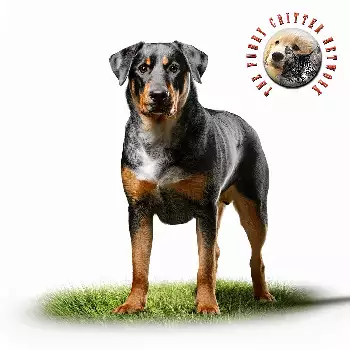
The Beauceron is a large, athletic herding dog that needs ample space to move, stretch, and decompress. Standing up to 27.5 inches at the shoulder and weighing as much as 110 pounds, this breed is simply too substantial for cramped quarters. A home with a securely fenced yard is ideal, though dedicated owners in larger apartments or townhomes can make it work with sufficient daily exercise and thoughtful interior layout.

Indoor space should allow the Beauceron to move freely between rooms without constantly navigating around furniture. These dogs tend to follow their owners from room to room, and tight corridors or cluttered living areas can make a large, active dog feel confined even when technically indoors by choice. Providing a designated resting spot in the main living area — somewhere the dog can observe the household without being underfoot — satisfies the breed's desire to stay connected to its family.

Outdoor space is where the Beauceron truly comes alive. A yard of at least moderate size gives the dog room for bursts of speed, patrol behavior, and general exploration. Fencing should be a minimum of five feet high and constructed from materials sturdy enough to withstand the pressure of a powerful dog leaning or jumping against it. Beaucerons are not typically escape artists, but their athleticism means that a low or flimsy fence offers little deterrent if something on the other side captures their attention.

For owners without a private yard, proximity to parks, trails, or open fields becomes essential. The Beauceron's exercise needs are non-negotiable, and the living space must be supplemented with daily outdoor access that allows for running, structured play, and mental stimulation. Without adequate physical outlets, the breed's energy will find less constructive avenues of expression indoors.

Crates & Kennels

Crate training is a valuable tool for Beaucerons, particularly during puppyhood and adolescence when the breed's intelligence and curiosity can lead to destructive behavior if left unsupervised. A properly sized crate serves as a den — a safe, quiet space where the dog can rest without stimulation. For an adult Beauceron, this typically means a 48-inch crate, though particularly tall individuals may require a 54-inch model to stand and turn comfortably.

Wire crates offer excellent ventilation, visibility, and the option of a divider panel that allows you to adjust the interior size as a puppy grows. They fold flat for storage and travel, which is convenient for a breed that often accompanies its owner on outings. The trade-off is that wire crates can be noisy when the dog shifts around, and a determined Beauceron may be able to bend thinner gauge wire if distressed.

Heavy-duty crates constructed from reinforced steel or aluminum are worth the investment for Beaucerons that exhibit strong separation anxiety or have a history of escaping standard wire enclosures. These models are significantly heavier and more expensive, but they provide a level of security that prevents injury from attempted breakouts. The peace of mind alone justifies the cost for many owners who have dealt with bent crate doors or a dog loose in the house after defeating a standard enclosure.

Placement of the crate matters as much as the crate itself. Position it in a room where the family spends time, away from direct drafts and heating vents, and ideally in a corner or against a wall so the dog has a sense of enclosure on at least two sides. Covering the crate with a breathable blanket can further enhance the den-like atmosphere, though some Beaucerons prefer to see their surroundings and may become anxious if fully covered.

Beds & Sleeping Areas

A quality dog bed is not a luxury for a breed of this size — it is a joint-health necessity. The Beauceron's weight concentrates significant pressure on hips, elbows, and shoulders during rest, and a bed that fails to distribute that pressure effectively can contribute to calluses, joint stiffness, and long-term orthopedic issues. Orthopedic beds with memory foam or high-density foam cores provide the support that a large breed requires and maintain their structure over months of heavy use.

Bolstered beds appeal to Beaucerons that like to rest their heads on a raised edge or curl against a supportive border. The bolster provides a sense of security and can help dogs that tend to press against walls or furniture while sleeping. For dogs that prefer to sprawl, a flat mat-style bed with sufficient surface area — at least 40 by 30 inches for most adults — allows them to stretch out fully without hanging off the edges.

Durability is a practical concern with any large-breed bed. Look for covers made from heavy-duty, rip-resistant fabrics with reinforced stitching. Removable, machine-washable covers are essential, as a dog of this size generates significant dander, drool, and outdoor debris. Waterproof liners beneath the cover protect the foam core from accidents and extend the usable life of the bed by preventing odor absorption into the foam itself.

Consider placing beds in multiple locations around the home. A primary bed in the bedroom for nighttime sleep and a secondary bed or mat in the living area for daytime rest ensures that the Beauceron always has a comfortable option nearby. This breed bonds deeply with its family and will choose its resting spot based on proximity to its people, so providing options in frequently used rooms prevents the dog from settling on hard floors simply to stay close.

Outdoor Enclosures

Outdoor kennels and runs can extend the Beauceron's living space and provide a secure area for supervised outdoor time when direct oversight is not possible. A well-designed kennel run should measure at least 10 by 20 feet for a single Beauceron, with six-foot-tall welded wire or chain-link panels and a secure gate latch that the dog cannot manipulate. This size allows for movement and pacing without the frustration of extreme confinement.

Shade and shelter within the outdoor enclosure are non-negotiable. A weatherproof roof or shade structure protects the dog from sun, rain, and snow, while an insulated doghouse within the run provides a retreat during temperature extremes. The doghouse should be elevated slightly off the ground to prevent moisture accumulation and sized so the dog can enter, turn around, and lie down comfortably without excessive interior volume that would reduce the insulating benefit of body heat in cold weather.

Flooring in outdoor enclosures affects both comfort and maintenance. Concrete pads are easy to clean and sanitize but can be hard on joints and hot in summer. Pea gravel drains well and stays cooler but can harbor parasites if not maintained. Rubber kennel mats over a solid base offer a compromise — they cushion the dog's joints, resist odor absorption, and can be hosed down and disinfected regularly.

Outdoor enclosures should supplement the Beauceron's living situation, never replace indoor family life. This breed was developed to work alongside humans and forms intense bonds with its household. Extended isolation in an outdoor kennel, no matter how well-appointed, leads to behavioral deterioration, excessive barking, and the erosion of the temperament traits that make the Beauceron such a remarkable companion. Time in the outdoor run should be measured in hours, not days.

Climate Considerations

The Beauceron's double coat provides meaningful insulation against cold weather, with a dense undercoat beneath a coarser outer layer that sheds water and resists wind. This breed is generally comfortable in cool to cold climates and can tolerate winter conditions that would send thinner-coated breeds indoors. However, tolerance is not immunity — extended exposure to extreme cold, particularly with wind chill or wet conditions, still poses risks including hypothermia and frostbite on ear tips and paw pads.

Heat is the greater concern for this breed. The same double coat that insulates against cold traps body heat in warm weather, and the Beauceron's high activity level generates significant metabolic heat during exercise. In temperatures above 80 degrees Fahrenheit, outdoor activity should be limited to early morning and evening hours. Access to shade, fresh water, and cool resting surfaces is essential during summer months, and owners should learn to recognize the early signs of heat stress including excessive panting, drooling, and reluctance to continue activity.

Indoor climate control benefits the Beauceron year-round. Air conditioning in summer prevents the buildup of heat stress even when the dog is resting, while moderate heating in winter keeps the sleeping area comfortable without overheating. Avoid placing the dog's bed directly next to radiators, heating vents, or fireplaces — the concentrated heat can dry out the coat and skin and may be uncomfortably warm for a breed that already retains body heat efficiently.

Seasonal coat management intersects with housing decisions. The Beauceron blows its undercoat twice a year, producing substantial volumes of loose fur over a period of two to four weeks. During these shedding cycles, increased grooming and more frequent cleaning of bedding, crate pads, and household surfaces are necessary. Some owners designate a specific area for grooming during heavy shed periods to contain the fur and simplify cleanup.

Multi-Pet Households

Beaucerons can coexist successfully with other dogs, but the dynamics of a multi-pet household require thoughtful management of space and resources. This breed has a natural confidence and assertiveness rooted in its herding and guarding heritage, which can manifest as resource guarding or dominance posturing if living arrangements force competition over food, resting spots, or owner attention. Providing separate feeding stations, individual beds, and distinct resting areas prevents many of the conflicts that arise in shared spaces.

Crate arrangements in multi-dog households should ensure that each dog has its own crate positioned with enough separation to feel like a private retreat. Placing crates side by side may work for dogs that are closely bonded, but dogs that have any history of tension should have their crates in different areas of the room or different rooms entirely. The goal is to ensure that crate time is genuinely restful, free from the low-level stress of proximity to a housemate the dog finds challenging.

Introducing a Beauceron into a home with cats or small animals requires careful spatial planning. Baby gates, separate rooms, and supervised introductions allow the animals to acclimate to each other's presence without direct confrontation. The Beauceron's herding instinct may manifest as chasing or nipping at smaller animals, and physical separation during the adjustment period prevents incidents that can permanently damage the interspecies relationship.

Yard access in a multi-pet household benefits from structured scheduling, at least initially. Allowing all animals into the yard simultaneously works well once relationships are established, but during the integration period, staggered outdoor time gives each animal a chance to explore and exercise without competitive pressure. Once the household hierarchy stabilizes — which may take weeks to months — shared outdoor time typically becomes routine, with the Beauceron often assuming a supervisory role over its smaller housemates.

Always consult a qualified professional before making any health-related decisions. This content is provided for informational reference only and should not replace professional guidance specific to your animal.