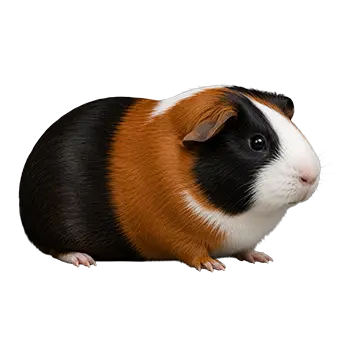

American Guinea Pigs are curious, social animals whose play behavior revolves around exploration, foraging, and short bursts of high-energy movement known as popcorning — sudden jumps and twists that signal happiness and excitement. Unlike dogs or cats, guinea pigs do not fetch, chase prey, or wrestle in a sustained way. Their enrichment needs center on investigation, problem-solving around food, and the freedom to move through varied terrain at their own pace.
Activity levels vary by individual personality and age. Younger guinea pigs tend to be more adventurous and will eagerly investigate new objects and rearranged cage layouts. Older guinea pigs may prefer familiar comforts but still benefit from gentle stimulation. Observing your guinea pig's natural tendencies — does it gravitate toward tunnels, open running space, or quiet chewing spots — helps you select toys that will actually be used rather than ignored.
Social play is a significant part of guinea pig enrichment. Pairs and groups engage in mutual grooming, synchronized resting, follow-the-leader exploration, and gentle chasing. A guinea pig housed alone misses out on these interactions entirely, which is why companionship is considered a fundamental enrichment need. Toys supplement social interaction but do not replace it.
Floor time outside the cage is one of the most effective forms of enrichment. A guinea pig-proofed room or a large exercise pen gives your pet space to run, explore new textures, and encounter novel objects. Even thirty minutes of supervised floor time a few times a week provides stimulation that a cage alone cannot match.