
Nutritional Needs

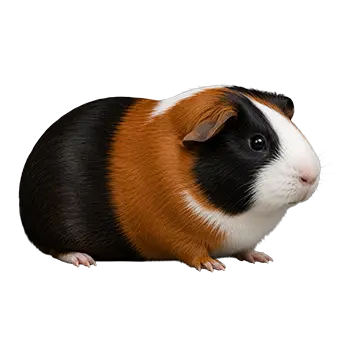
The American Guinea Pig is a strict herbivore with a digestive system built around constant fiber intake. Unlimited timothy hay should form the foundation of their diet, accounting for roughly eighty percent of daily food consumption. Hay keeps the gut moving, prevents dangerous stasis, and wears down their continuously growing teeth. Without adequate fiber, digestive problems can escalate quickly and become life-threatening.

Vitamin C is the single most critical micronutrient for guinea pigs because they cannot synthesize it internally, much like humans. An adult American Guinea Pig needs between 25 and 50 milligrams of vitamin C per day, and that number increases during illness, pregnancy, or periods of stress. Deficiency leads to scurvy, which presents as lethargy, swollen joints, rough coat, and reluctance to move.

Beyond hay and vitamin C, a balanced diet includes measured portions of high-quality pellets and a daily rotation of fresh vegetables. Calcium intake also matters — too much can cause bladder stones, a common and painful condition in guinea pigs. Choosing low-calcium greens and monitoring pellet ingredients helps keep mineral levels in a safe range.

Water intake is closely tied to diet composition. Guinea pigs eating mostly hay and pellets drink more water than those receiving generous portions of water-rich vegetables. Always provide fresh, clean water in a bottle or bowl, and monitor consumption patterns for any sudden changes that might signal illness.

What to Look For

When selecting hay, look for long-strand timothy hay that is green, fragrant, and free of dust or mold. Avoid hay that smells musty or appears brown and brittle — these are signs of poor storage or aging. First-cut timothy tends to be coarser with more stems, which is excellent for dental wear, while second-cut is softer and leafier, often preferred by pickier eaters. Many owners keep both on hand.

Pellet quality varies dramatically across the market. The best pellets for American Guinea Pigs are timothy-hay-based, fortified with stabilized vitamin C, and free of added sugars, seeds, dried fruit pieces, and artificial colors. Avoid muesli-style mixes that let guinea pigs selectively eat only the unhealthy bits while leaving the nutritious pellets behind. A plain, uniform pellet encourages balanced intake.

For fresh vegetables, prioritize leafy greens that are low in calcium and high in vitamin C. Bell peppers — especially red and yellow varieties — are among the richest vegetable sources of vitamin C and are generally well-received. Romaine lettuce, green leaf lettuce, and cilantro make solid daily staples. Avoid iceberg lettuce, which has negligible nutritional value and can cause loose stools.

Packaging and storage matter more than many owners realize. Vitamin C degrades with exposure to light, heat, and air, so pellets stored in clear bags or left open for weeks lose their nutritional value. Look for pellets in opaque, resealable bags and check the milling or expiration date before purchasing.

Recommended Hay Types

Timothy hay is the gold standard for adult American Guinea Pigs and should always be available in unlimited quantities. Its high fiber content and moderate protein and calcium levels make it ideal for everyday consumption. Whether you buy it in compressed bales, loose bags, or subscription boxes, the key quality indicators are the same: green color, fresh smell, and a good mix of stems and leaves.

Orchard grass is an excellent alternative or supplement to timothy hay. It has a slightly softer texture and a sweeter aroma that appeals to guinea pigs who are reluctant hay eaters. Nutritionally, orchard grass is comparable to timothy, with similar fiber content and low calcium. Blending the two encourages more enthusiastic eating and adds variety to the diet.

Oat hay and meadow hay can be offered as occasional variety hays. Oat hay contains seed heads that guinea pigs enjoy nibbling, though it is slightly higher in calories, so it should not replace timothy as the primary hay. Meadow hay is a mixed-grass product that varies in composition from batch to batch, making it better as a supplemental option than a sole source.

Alfalfa hay is calorie-dense and high in calcium, making it appropriate only for young guinea pigs under six months, pregnant or nursing sows, or underweight animals needing to gain mass. Feeding alfalfa to healthy adults long-term increases the risk of bladder stones and obesity. Transition young guinea pigs gradually from alfalfa to timothy around six months of age.

Pellets & Fresh Food Options

A measured daily portion of pellets provides consistent vitamin and mineral delivery that fresh vegetables alone may not achieve reliably. For an adult American Guinea Pig, roughly one-eighth cup of pellets per day is sufficient. Overfeeding pellets leads to weight gain and reduces hay consumption, which undermines dental and digestive health. Treat pellets as a supplement to hay, not a replacement.

Fresh vegetables should be offered daily in a portion roughly equivalent to one packed cup per guinea pig. Rotate selections throughout the week to provide a spectrum of vitamins and minerals. A sample daily plate might include a few leaves of romaine, a slice of bell pepper, and a small sprig of cilantro or parsley. Introduce new vegetables one at a time and watch for digestive upset before making them a regular part of the rotation.

Fruits should be treated strictly as occasional treats due to their sugar content. A small slice of strawberry, a thin wedge of apple without seeds, or a few blueberries once or twice a week is plenty. Guinea pigs have a strong sweet tooth and will happily overeat fruit if given the chance, which can lead to digestive problems and weight gain over time.

Some owners explore fresh-food delivery services or pre-washed salad mixes designed for small herbivores. These can be convenient but require label scrutiny — many packaged salad mixes contain spinach, kale, or other high-calcium or high-oxalate greens that are fine in small amounts but problematic as daily staples. Building your own rotation from individual vegetables gives you better control over nutritional balance.

Treats & Supplements

Vitamin C supplements come in several forms, each with trade-offs. Liquid vitamin C added to a water bottle is popular but unreliable — the vitamin degrades rapidly in water and many guinea pigs reduce their water intake when the taste changes. Tablet or chewable supplements given directly by hand offer more precise dosing and are generally more effective. Some owners prefer to meet vitamin C needs entirely through fresh vegetables, which works well if the diet is carefully planned.

Commercial guinea pig treats are widely available but frequently unnecessary and sometimes harmful. Many contain excessive sugar, yogurt drops, honey-coated seeds, or artificial flavoring. The healthiest treats are simply small pieces of fresh fruit or herbs like dill, basil, or mint. If you prefer packaged treats, look for options that are hay-based with no added sweeteners.

Digestive supplements containing probiotics are sometimes recommended during or after antibiotic treatment, when the gut microbiome may be disrupted. These products typically contain beneficial bacteria strains that help restore normal digestive function. They are not needed for healthy guinea pigs eating a proper hay-based diet, but they are worth keeping on hand for recovery situations.

Mineral wheels and salt licks are commonly marketed for guinea pigs but are generally unnecessary when the diet is well-balanced. Excess mineral intake can contribute to urinary problems. If your guinea pig is eating quality hay, appropriate pellets, and daily vegetables, supplemental minerals are more risk than benefit.

Foods to Avoid

Several common foods are toxic or dangerous for guinea pigs. Potatoes and potato skins contain solanine, which is poisonous to small herbivores. Onions, garlic, leeks, and chives can cause blood cell damage and should never be offered. Rhubarb leaves contain high concentrations of oxalic acid and are toxic. Avocado is dangerous due to persin content, and chocolate is toxic to virtually all small animals.

Some vegetables that are safe in moderation become harmful in excess. Spinach and parsley are high in oxalates, which bind with calcium and can contribute to bladder stone formation. Cruciferous vegetables like broccoli, cauliflower, and cabbage can cause painful bloating and gas if fed too frequently. These foods are not inherently toxic but should appear in the rotation sparingly rather than as daily staples.

Processed human foods have no place in a guinea pig's diet. Bread, crackers, pasta, cereal, dairy products, and anything cooked or seasoned can disrupt digestion and offer no nutritional benefit. Guinea pigs have evolved to process raw plant fiber, and their systems are not equipped to handle processed carbohydrates or animal-derived proteins.

Seeds and nuts are choking hazards and far too high in fat for guinea pigs. Despite being marketed in some small-animal mixes, sunflower seeds, peanuts, and similar items can cause obesity and digestive distress. Always check ingredient lists on any commercial food product to ensure these items are not included.

Feeding Schedule

Consistency matters for guinea pigs, who are creatures of habit and tend to eat on a predictable rhythm. A reliable feeding schedule reduces stress and helps owners monitor appetite changes that might indicate illness. Most owners find success with a morning and evening routine: refresh hay and water in the morning, and offer the daily vegetable serving in the evening.

Hay should be available at all times, around the clock. Guinea pigs graze throughout the day and night, and removing hay access even temporarily can slow gut motility. If you notice hay levels dropping during the day, add more rather than waiting for the next scheduled feeding. A heavy ceramic crock or hay rack helps reduce waste and keeps hay clean and accessible.

Pellets can be offered once daily in a measured amount. Placing pellets out at a consistent time helps prevent overeating and makes it easy to notice if a guinea pig is leaving food uneaten, which can be an early sign of dental problems or illness. Remove any uneaten pellets after a few hours to prevent spoilage, especially in warmer environments.

Fresh vegetables are best served in the evening when guinea pigs tend to be most active. Remove any uneaten fresh food within a few hours to prevent bacterial growth and fruit fly attraction. Track which vegetables each guinea pig prefers and which they consistently ignore — this helps you build an efficient shopping list and ensures minimal waste while maintaining dietary variety.

Always consult a qualified professional before making any health-related decisions. This content is provided for informational reference only and should not replace professional guidance specific to your animal.