
Space Requirements

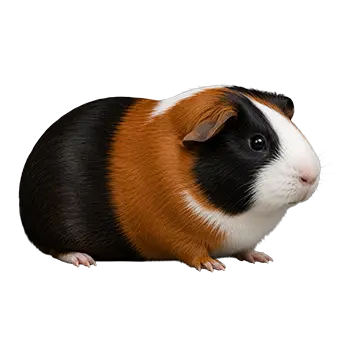
American Guinea Pigs need considerably more space than most pet store enclosures suggest. A single guinea pig requires a minimum of 7.5 square feet of cage floor space, and since guinea pigs are social animals that thrive in pairs or small groups, a two-pig household should have at least 10.5 square feet. These minimums come from animal welfare research and represent the floor area needed for adequate exercise, separate feeding and resting zones, and stress-free cohabitation.

Floor space matters far more than vertical height for guinea pigs. Unlike hamsters or rats, guinea pigs are ground-dwelling animals that do not climb. A cage that is tall and narrow provides far less usable living area than one that is wide and low. Ramps and upper levels can add enrichment, but they do not substitute for adequate ground-level square footage. Many guinea pigs avoid steep ramps altogether.

Placement within your home also affects your guinea pig's wellbeing. Choose a location away from direct sunlight, drafts, heating vents, and loud appliances. Guinea pigs are sensitive to temperature extremes and do best in environments between 65 and 75 degrees Fahrenheit. Avoid placing the cage on the floor where cold air settles, and keep it away from windows that receive intense afternoon sun.

Consider traffic flow and social interaction when choosing a room. Guinea pigs are social creatures that benefit from being near family activity without being overwhelmed by constant noise. A living room or home office is often ideal — the guinea pigs become part of daily life, which encourages regular interaction and makes it easier to notice behavioral changes early.

Cage Types & Configurations

Grid-and-coroplast cages are widely considered the best housing option for guinea pigs. They consist of wire storage cube grids used as walls and a corrugated plastic base that forms the floor and sides. These setups are affordable, highly customizable, and easy to expand as your herd grows. You can design L-shapes, add lofts, or connect multiple enclosures with doorways. The open-top design also provides excellent ventilation.

Commercial pet store cages are the most commonly purchased option but frequently fall short on space requirements. Most standard guinea pig cages sold in pet stores provide only four to five square feet of floor space, which is inadequate even for a single animal. If you choose a commercial cage, select the largest available model and verify the square footage before purchasing. Some manufacturers list dimensions that include unusable space taken up by feeders and accessories.

Midwest-style habitats with open tops and canvas bottoms offer a middle ground between grid cages and traditional enclosures. They fold flat for storage, set up quickly, and provide reasonable floor space. However, the canvas bottom can absorb urine over time and become difficult to clean thoroughly, so using a waterproof liner underneath the bedding is strongly recommended.

Wooden hutches designed for outdoor use are sometimes repurposed for indoor guinea pigs. While they can work, wood absorbs urine and odors despite sealing, making them harder to sanitize than plastic or coroplast. If you prefer the look of a wooden enclosure, ensure it has a removable, washable tray liner and that all wood surfaces are sealed with pet-safe waterproof coating.

Bedding & Substrate

Bedding choice has a direct impact on respiratory health, odor control, and cleaning frequency. Paper-based bedding is among the safest and most popular options for guinea pigs. It is highly absorbent, produces minimal dust, and is available in both loose and pelleted forms. Look for unscented varieties — fragranced bedding can irritate guinea pig respiratory systems, which are particularly sensitive to airborne particles and chemicals.

Fleece liners have gained popularity as a reusable, eco-friendly alternative to disposable bedding. A quality fleece liner consists of a moisture-wicking fleece top layer over an absorbent inner core. Urine passes through the fleece and is trapped in the core, keeping the surface dry. Fleece liners require daily spot-cleaning and sweeping of hay and droppings, plus washing every three to four days. The upfront cost is higher, but long-term savings are significant compared to buying disposable bedding repeatedly.

Cedar and pine shavings should be avoided entirely. Softwood shavings release aromatic phenols — volatile organic compounds that can cause liver damage and chronic respiratory irritation in guinea pigs. Kiln-dried pine is sometimes marketed as safe because the drying process reduces phenol levels, but the risk is not worth taking when safer alternatives exist.

Bedding depth matters for comfort and absorbency. For loose bedding, a layer of two to three inches provides adequate cushioning and absorption between cage cleanings. Thinner layers saturate quickly and leave guinea pigs sitting on damp substrate, which promotes foot sores and skin irritation. Regardless of bedding type, plan for a full cage clean at least once a week, with spot cleaning of soiled areas daily.

Hides, Shelters & Resting Areas

Every guinea pig needs at least one enclosed hiding spot — a space where it can retreat and feel secure. In the wild, guinea pigs are prey animals, and this instinct remains strong in domesticated breeds. A guinea pig without access to a shelter will exhibit chronic stress behaviors including freezing, startling easily, and reluctance to eat in the open. For multi-pig households, provide one hide per guinea pig plus one extra to prevent territorial disputes over limited shelter.

Hides come in a variety of materials. Wooden houses are sturdy and give guinea pigs something to chew, which supports dental health. Fleece-covered tunnels and cuddle sacks offer warmth and softness. Plastic igloos are easy to clean and virtually indestructible. Each material has its place, and many owners use a combination. Avoid any hide with a sealed bottom that traps moisture, as this creates an unsanitary resting surface.

Flat resting platforms and cushioned pads give guinea pigs options for lounging outside their hides. Some guinea pigs enjoy elevated platforms — a low wooden bridge or a padded shelf a few inches off the ground can become a favorite resting spot. Ensure any elevated surface has gentle ramps with traction and no drop-offs that could cause injury. Guinea pigs have fragile spines and should never fall from any height.

Rotating hides and rearranging the cage layout every few weeks provides mental stimulation and prevents territorial rigidity. Guinea pigs are curious animals that enjoy exploring changes to their environment, as long as the changes are not so drastic that they feel displaced. Keep at least one familiar item in place during rearrangements to provide continuity.

Climate Considerations

Guinea pigs are highly vulnerable to heat. They cannot sweat and have very limited ability to cool themselves, making temperatures above 80 degrees Fahrenheit genuinely dangerous. Heatstroke can set in rapidly and is often fatal. During warm months, keep the cage in an air-conditioned room or use fans to maintain airflow — though fans should never blow directly on the cage, as guinea pigs are also sensitive to drafts. Ceramic cooling tiles and frozen water bottles wrapped in cloth can provide additional relief.

Cold tolerance is somewhat better than heat tolerance, but guinea pigs still need protection from temperatures below 60 degrees Fahrenheit. In unheated garages, basements, or rooms with poor insulation, consider a low-wattage ceramic heat emitter placed safely above the cage or a microwavable heating pad designed for small animals. Avoid electric heating pads that plug in, as guinea pigs may chew through cords.

Humidity plays an underappreciated role in cage environment quality. High humidity accelerates bacterial growth in bedding and can worsen respiratory issues. If your home is consistently humid, run a dehumidifier near the cage area and increase bedding change frequency. Conversely, extremely dry air during winter heating season can irritate mucous membranes. A moderate humidity level between 40 and 70 percent is ideal.

Seasonal light cycles affect guinea pig behavior. While they do not hibernate, guinea pigs are sensitive to changes in daylight hours. Positioning the cage where it receives indirect natural light helps regulate their circadian rhythm. Avoid placing cages in windowless rooms with only artificial lighting, and never use bright lights near the cage during nighttime hours.

Multi-Pig Households

Guinea pigs are herd animals and are significantly happier and healthier when housed with at least one companion. Single guinea pigs often develop lethargy, depression, and repetitive stress behaviors. In several European countries, keeping a lone guinea pig is considered a welfare concern. When adopting, plan for at least two — the incremental cost of a second pig is minimal compared to the improvement in quality of life for both animals.

Pairing matters. Two females typically cohabitate peacefully with minimal conflict. Two males can live together successfully if they are introduced properly and have ample space, though occasional dominance displays are normal. A neutered male with one or more females is another stable combination. Avoid housing intact males with females unless you intend to breed, as guinea pigs reproduce rapidly and pregnancies carry significant health risks for sows.

Introduction should be done gradually and on neutral ground. Place both guinea pigs in an unfamiliar space with fresh hay and multiple hiding spots so neither animal feels territorial. Expect rumbling, teeth chattering, mounting, and chasing — these are normal dominance behaviors. Actual biting, lunging, or drawing blood signals that the pairing may not work without more space or a different partner. Introductions often take several sessions over days or weeks.

Cage size must scale with the number of occupants. Two guinea pigs need a minimum of 10.5 square feet, three need at least 13 square feet, and herds of four or more need proportionally larger setups. Overcrowding is the most common cause of aggression between otherwise compatible guinea pigs. When disputes arise in a group that was previously peaceful, increasing floor space often resolves the conflict entirely.

Always consult a qualified professional before making any health-related decisions. This content is provided for informational reference only and should not replace professional guidance specific to your animal.