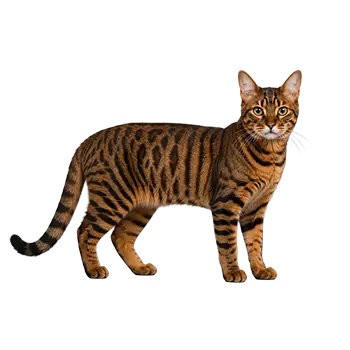

Space Requirements

Toygers are active, curious cats that thrive when given room to explore, climb, and patrol their territory. While they adapt well to apartment living, the key is making the most of vertical space. Cat shelves, wall-mounted perches, and tall cat trees effectively multiply the usable area in any room, giving your Toyger vantage points and climbing routes that satisfy their natural instincts.

A single Toyger needs a minimum of one room where it can move freely, but ideally should have access to multiple rooms or a larger open-plan living area. These cats enjoy following their owners from room to room and participating in household activities, so restricting them to a single confined space can lead to boredom and behavioral issues such as excessive vocalization or destructive scratching.

Vertical territory is just as important as floor space for cats, and Toygers are no exception. Providing at least two to three elevated resting spots at different heights allows your cat to choose its preferred perch based on mood, temperature, and activity in the home. Window perches are especially valued, as Toygers enjoy watching outdoor activity and basking in sunlight.

When planning your space, consider traffic flow and quiet zones. Toygers appreciate having at least one retreat area away from high-traffic zones where they can rest undisturbed. This could be a covered bed in a spare room, a high shelf in a closet, or an enclosed cat house tucked into a calm corner of the home.

Cat Trees & Climbing Structures

A sturdy, well-designed cat tree is arguably the single most important piece of cat furniture for a Toyger. These cats are athletic climbers who enjoy surveying their environment from elevated positions. Look for cat trees with a solid base heavy enough to prevent tipping, even during enthusiastic leaping and climbing. A tree that wobbles or topples will quickly be abandoned.

Height matters — cat trees in the five-to-seven-foot range give Toygers the elevation they crave while fitting comfortably in most rooms with standard ceiling heights. Models with multiple platforms at staggered heights encourage climbing and jumping, which provides valuable exercise. Sisal-wrapped posts integrated into the tree serve double duty as scratching surfaces, protecting your furniture while satisfying a natural urge.

Wall-mounted shelving systems offer an alternative or complement to freestanding cat trees. These can be arranged in staircase patterns, winding trails, or bridge configurations that turn an entire wall into a climbing playground. For Toygers, who are naturally agile and enjoy physical challenges, a well-planned wall system can provide more engagement than even the tallest traditional cat tree.

Material quality directly affects longevity. Pressed wood and cardboard components in budget cat trees tend to deteriorate quickly under the weight and activity of a medium-sized cat. Solid wood frames, heavy-duty carpet or faux fur covering, and thick sisal rope wrapping are indicators of a product built to last. Given that a good cat tree should serve your Toyger for years, investing in quality upfront typically saves money over time.

Beds & Sleeping Areas

Toygers, like most cats, sleep between 12 and 16 hours per day, making comfortable sleeping options an essential part of their environment. Observe where your cat naturally gravitates for naps — some Toygers prefer enclosed, cave-style beds that provide a sense of security, while others favor open, cushioned surfaces where they can stretch out fully.

Bed placement is as important as bed quality. Position sleeping areas away from litter boxes, feeding stations, and noisy appliances. Many Toygers prefer elevated sleeping spots, so placing a bed on a shelf, windowsill, or the top platform of a cat tree can make it more appealing than one on the floor. Heated beds or self-warming pads that reflect body heat can be especially attractive during cooler months.

Washability is a practical consideration that should not be overlooked. Beds with removable, machine-washable covers make regular cleaning straightforward, helping to control odors, reduce allergens, and maintain hygiene. Toygers have short, dense coats that shed moderately, so a bed that traps and holds fur can become unpleasant quickly without regular laundering.

Provide multiple sleeping options throughout the home rather than a single designated bed. Cats are creatures of preference who like to rotate between resting spots depending on the time of day, temperature, and household activity. Having three or four comfortable options distributed across different rooms ensures your Toyger always has a favored spot nearby.

Outdoor Enclosures

Catios — enclosed outdoor spaces designed for cats — offer an excellent way to give your Toyger access to fresh air, sunlight, and outdoor stimulation without the dangers of free roaming. These structures range from small window-box enclosures to full walk-in patios and can be attached to the home via a window, door, or cat flap. For an active, curious breed like the Toyger, a catio can significantly enhance quality of life.

When selecting or building a catio, ensure that the mesh or screening material is strong enough to contain a determined cat and keep predators or stray animals out. Welded wire mesh is generally more secure than standard window screening, which can be torn by claws. The enclosure should have a solid roof or weather-resistant top to provide shade and protection from rain.

Include vertical elements inside the catio such as shelves, ramps, or small trees and branches that allow climbing and perching. A ground-level area with a patch of cat-safe grass or a shallow planter of catnip and cat grass adds sensory enrichment. Ensure there is always access to shade and fresh water, especially in warm weather, as enclosed spaces can heat up quickly in direct sunlight.

For renters or those who cannot modify their home's exterior, portable mesh tent-style enclosures offer a temporary alternative for supervised outdoor time. These pop-up structures can be set up in a yard or balcony and provide a contained space for your Toyger to experience the outdoors. They are not suitable for unsupervised use, as determined cats may find weak points, but they work well for structured outdoor sessions.

Climate Considerations

Toygers have a short, dense coat that provides moderate insulation but does not offer the cold protection of longer-haired breeds. In cooler climates or during winter months, ensure indoor temperatures remain comfortable — generally above 65 degrees Fahrenheit. Drafty areas near windows and exterior doors should be avoided when placing beds and resting spots, or mitigated with draft excluders.

Heated beds, microwaveable warming pads, and self-heating mats that reflect body warmth are all practical solutions for keeping your Toyger comfortable in cooler conditions. Radiator hammocks that hang from traditional radiators are popular in some regions, giving cats a warm, elevated perch during cold weather. Always ensure any heated product has appropriate safety certifications and automatic shutoff features.

In hot climates or during summer, overheating can be a concern, particularly for indoor cats in homes without air conditioning. Cooling mats made with pressure-activated gel provide a cool resting surface without electricity. Ceramic or stone tiles in shaded areas also offer naturally cool spots. Ensure adequate ventilation throughout the home and provide multiple water sources to encourage hydration.

Humidity can affect coat condition and overall comfort. Excessively dry indoor air, common in homes with forced-air heating, can lead to dry skin and static-prone fur. A room humidifier in your Toyger's primary living area can help maintain comfortable humidity levels during dry winter months without requiring any adjustment to your cat's routine.

Multi-Cat Households

Toygers are generally sociable cats that coexist well with other felines, but successful multi-cat living requires thoughtful resource management. The standard guideline is one litter box per cat plus one additional, placed in separate locations throughout the home. Similarly, food and water stations should be distributed so that no single cat can guard access to essential resources.

Territorial tension most commonly arises around vertical space and resting spots. In a multi-cat home, providing enough elevated perches, cat trees, and sleeping areas to accommodate all cats simultaneously — without forcing them to share — reduces competition and stress. Toygers enjoy being up high, so ensuring they have access to their preferred elevated spots even when other cats are present is important for household harmony.

Introductions between a new Toyger and existing cats should follow a gradual process. Start with scent swapping by exchanging bedding between the new cat and resident cats, then progress to visual contact through a cracked door or baby gate before allowing supervised face-to-face interaction. Rushing introductions frequently leads to lasting tension that is much harder to resolve than it would have been to prevent.

Watch for subtle signs of social stress such as changes in eating habits, increased hiding, excessive grooming, or litter box avoidance. These behaviors can indicate that a cat feels pressured or insecure in the household dynamic. Providing additional resources, creating visual barriers with furniture placement, and ensuring each cat has its own safe retreat space can often resolve low-level tensions before they escalate into open conflict.

Always consult a qualified professional before making any health-related decisions. This content is provided for informational reference only and should not replace professional guidance specific to your animal.