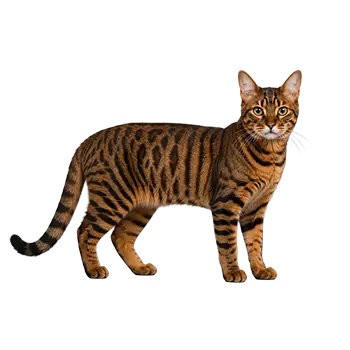

Nutritional Needs

The Toyger is a medium-sized, muscular cat with an athletic build that demands a protein-rich diet. Like all domestic cats, Toygers are obligate carnivores, meaning their bodies are designed to derive essential nutrients from animal-based proteins. A diet built around high-quality animal protein sources supports their lean muscle mass, glossy striped coat, and sustained energy levels throughout the day.

Toygers tend to be moderately active cats who enjoy play sessions and interactive engagement with their owners. This activity level translates into a caloric requirement that sits comfortably in the mid-range for domestic cats, typically between 200 and 300 calories per day depending on age, weight, and activity. Overfeeding is a concern with this breed, as excess weight can obscure their signature muscular physique and place unnecessary strain on joints.

Key nutrients to prioritize include taurine, which is critical for cardiac and eye health in all cats, as well as omega-3 and omega-6 fatty acids that contribute to the Toyger's distinctive glittered coat. Adequate moisture intake is also essential, particularly for cats fed primarily on dry kibble, since cats naturally have a low thirst drive and can be prone to urinary tract issues when chronically dehydrated.

Vitamins A, D, and E play important roles in immune function, bone health, and cellular repair. Because cats cannot synthesize these vitamins the way some other animals can, the diet must supply them directly. A well-formulated cat food will account for these needs, but it is worth understanding what your Toyger requires so you can evaluate labels with confidence.

What to Look For

When evaluating cat food for your Toyger, the ingredient list is your most reliable tool. Look for a named animal protein as the first ingredient — options like chicken, turkey, salmon, or duck are preferable to vague descriptors like "meat meal" or "animal by-products." The first several ingredients make up the bulk of the formula, so protein-forward compositions signal a higher-quality product.

Avoid foods that rely heavily on grain-based fillers such as corn, wheat, or soy as primary ingredients. While cats can tolerate small amounts of carbohydrates, their digestive systems are not optimized for grain-heavy diets. Look for formulas that use digestible carbohydrate sources sparingly, such as sweet potato or peas, if carbohydrates are included at all.

The guaranteed analysis panel provides minimum protein and fat percentages alongside maximum fiber and moisture content. For adult Toygers, aim for a minimum crude protein of 30 percent or higher on a dry-matter basis, with fat content in the 15 to 20 percent range. These ratios support the breed's muscular frame without contributing to unwanted weight gain.

Artificial colors, flavors, and chemical preservatives are unnecessary additives that offer no nutritional benefit. Natural preservatives such as tocopherols (vitamin E) and rosemary extract are effective alternatives that many quality manufacturers now use. Additionally, look for foods that include a complete amino acid profile, since deficiencies in amino acids like arginine or methionine can lead to serious health consequences in cats.

Recommended Dry Food

Dry kibble remains a practical and popular option for Toyger owners due to its convenience, shelf stability, and dental benefits. The mechanical action of chewing kibble can help reduce tartar buildup on teeth, though it should not be considered a substitute for regular dental care. Choose a kibble formulated specifically for adult cats with a protein content that meets or exceeds 35 percent on a dry-matter basis.

Grain-free dry foods have become widely available, though not all cats require a grain-free diet. If your Toyger shows no signs of grain sensitivity — such as digestive upset, excessive scratching, or dull coat — a high-quality formula containing whole grains like brown rice or oatmeal can be perfectly appropriate. The key distinction is between whole grains used as a secondary ingredient versus refined grains used as cheap filler.

Kibble size and shape can matter more than owners realize. Toygers have standard-sized mouths for a medium cat, so standard kibble shapes work well. Some manufacturers offer breed-specific or size-specific kibble designed to encourage chewing rather than swallowing pieces whole, which can aid digestion and slow down fast eaters.

Always ensure fresh water is available alongside dry food, as kibble contains very little moisture — typically around 10 percent. Some owners choose to add a small amount of warm water or low-sodium broth to kibble to boost moisture intake, which can be especially helpful for cats who are reluctant drinkers.

Wet & Fresh Options

Wet food is an excellent complement to or replacement for dry kibble, particularly for Toygers who need additional hydration. With moisture content typically around 75 to 80 percent, wet food helps support kidney and urinary tract health by increasing overall fluid intake. Many veterinary nutritionists recommend incorporating at least some wet food into a cat's diet for this reason alone.

Pâté-style wet foods tend to contain fewer fillers and a higher concentration of animal protein compared to chunks-in-gravy formulations, which sometimes rely on thickeners and starches to create the gravy texture. That said, gravy and shred styles can be useful for picky eaters or cats transitioning from dry food, as the texture and aroma tend to be more immediately appealing.

Fresh and refrigerated cat food options have expanded significantly in recent years. These products typically undergo minimal processing and use whole-food ingredients that are closer to what a cat might eat in a more natural setting. The trade-off is a shorter shelf life and higher cost per serving, but many owners find the nutritional profile and ingredient transparency worth the investment.

When mixing wet and dry food, adjust portion sizes accordingly to avoid overfeeding. A common approach is to offer wet food as a meal once or twice daily while leaving a measured portion of dry food available for grazing. Monitor your Toyger's weight and body condition regularly to ensure the combined caloric intake remains appropriate.

Treats & Supplements

Treats should be used thoughtfully and should not comprise more than 10 percent of your Toyger's daily caloric intake. Freeze-dried single-protein treats — such as chicken breast, salmon, or shrimp — offer a high-value reward without unnecessary additives. These treats are particularly effective for training and positive reinforcement during play sessions, which Toygers tend to respond to enthusiastically.

Dental treats designed to reduce plaque and tartar can serve a dual purpose, satisfying your cat's desire for a crunchy snack while contributing to oral hygiene. Look for products that carry veterinary dental association endorsements, as these have been tested for efficacy rather than simply marketed with dental health claims.

Supplements are generally unnecessary for cats eating a complete and balanced commercial diet, but certain situations may warrant them. Omega-3 fatty acid supplements derived from fish oil can enhance coat quality and may support joint health in older Toygers. Probiotic supplements can aid digestive function, particularly after antibiotic courses or during dietary transitions.

Always consult with your veterinarian before introducing supplements, as over-supplementation can be harmful. Fat-soluble vitamins like A and D can accumulate to toxic levels if given in excess. If your Toyger is eating a well-formulated food, the need for additional supplementation is typically minimal.

Foods to Avoid

Several common human foods are toxic to cats and should never be offered to your Toyger. Onions, garlic, chives, and other allium family members can cause oxidative damage to red blood cells, leading to anemia. Even small amounts cooked into sauces or mixed into prepared foods can be harmful, so vigilance around table scraps is important.

Chocolate contains theobromine, which cats metabolize very slowly, making even small quantities dangerous. Caffeine poses similar risks. Grapes and raisins have been associated with kidney damage in some animals, and while the mechanism is not fully understood in cats, it is safest to avoid them entirely. Xylitol, an artificial sweetener found in sugar-free gum, candies, and some peanut butters, can cause a rapid insulin release in cats.

Raw fish, particularly in large or frequent servings, can interfere with thiamine absorption and may carry parasites or bacteria. While the idea of feeding raw fish to a cat seems natural, the risks generally outweigh the benefits unless the fish has been properly frozen and handled to eliminate parasites. Raw eggs carry a similar bacterial risk and contain avidin, which can interfere with biotin absorption.

Dairy products are another category to approach with caution. Most adult cats are lactose intolerant to some degree, and dairy consumption can result in digestive upset including diarrhea and vomiting. If your Toyger enjoys dairy, small amounts of lactose-free cat milk products are a safer alternative to cow's milk.

Feeding Schedule

Establishing a consistent feeding schedule helps regulate your Toyger's metabolism and prevents overeating. Most adult Toygers do well with two measured meals per day — one in the morning and one in the evening. This schedule aligns with the natural feline tendency toward multiple small meals and provides structure that many cats find comforting.

Free-feeding, where dry food is left out continuously for the cat to graze, can work for some cats with good self-regulation, but Toygers can be prone to overeating if food is always available. If you prefer a free-feeding arrangement, use a measured daily portion rather than simply refilling the bowl whenever it empties, and monitor your cat's weight closely.

Kittens under one year of age have different requirements and should be fed three to four times daily with a kitten-specific formula that supports growth and development. As your Toyger transitions to adulthood around 12 months, gradually shift to an adult feeding schedule and formula over the course of one to two weeks to avoid digestive upset.

Senior Toygers, typically those over 10 to 12 years of age, may benefit from slight adjustments to their feeding routine. Smaller, more frequent meals can be easier on aging digestive systems. Senior-formulated foods with adjusted protein levels and added joint-support ingredients may be appropriate, though any dietary changes for older cats should be discussed with a veterinarian to account for individual health conditions.

Always consult a qualified professional before making any health-related decisions. This content is provided for informational reference only and should not replace professional guidance specific to your animal.