
Nutritional Needs

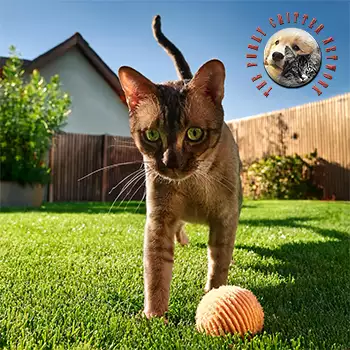
The Sokoke is a lean, muscular cat with roots tracing back to the coastal forests of Kenya. That athletic frame demands a diet rich in animal-based protein to maintain muscle tone and support their naturally high activity level. Unlike stockier breeds, the Sokoke carries very little excess body fat, so caloric intake needs to be carefully balanced to provide sustained energy without encouraging unhealthy weight gain.

Because this breed tends to be perpetually on the move, their metabolism runs faster than many domestic cats. A diet built around high-quality animal proteins — with poultry, fish, or other named meat sources as the first ingredient — will give them the amino acid profile they need. Taurine is especially critical, as it supports cardiac function and eye health, both areas where cats in general have no ability to synthesize their own supply.

Fat content matters as well. Moderate levels of animal-derived fats provide concentrated energy and help maintain the Sokoke's sleek, close-lying coat. Omega-3 and omega-6 fatty acids contribute to skin health and coat sheen, which is particularly visible on the Sokoke's distinctive modified tabby pattern. Carbohydrate content should be kept relatively low, as cats are obligate carnivores and derive minimal nutritional benefit from grain-heavy formulas.

Hydration is another consideration that often gets overlooked. Sokokes descended from a warm-climate lineage, and some individuals may not drink as much water as they should. Incorporating moisture-rich foods into the diet or providing a recirculating water fountain can help ensure adequate fluid intake and support kidney and urinary tract health over the long term.

What to Look For

When evaluating cat food for a Sokoke, the ingredient panel tells the most important story. A named animal protein should always appear as the first ingredient — look for terms like chicken, turkey, salmon, or duck rather than vague descriptors like "meat meal" or "animal by-products." The more specific the protein source, the more confident you can be in the quality of what you are feeding.

Avoid formulas that rely heavily on corn, wheat, or soy as primary ingredients. These are common fillers that provide bulk but contribute little nutritional value to an obligate carnivore. Some grain-inclusive formulas can be perfectly acceptable if whole grains like brown rice or oats appear further down the ingredient list, but they should never dominate the formula.

Preservatives and artificial additives are worth scrutinizing as well. Natural preservatives such as mixed tocopherols or rosemary extract are preferable to synthetic options like BHA, BHT, or ethoxyquin. Artificial colors and flavors serve no nutritional purpose and may cause sensitivities in some cats over time.

Guaranteed analysis percentages give you a snapshot of macronutrient ratios. For an active Sokoke, look for a minimum crude protein content of around 30 to 40 percent on a dry-matter basis and a moderate fat content in the range of 15 to 20 percent. Fiber should be present but not excessive, as too much can reduce overall digestibility and leave your cat feeling unsatisfied.

Recommended Dry Food

Dry kibble remains a practical staple for many Sokoke owners because of its convenience and dental benefits. The mechanical action of chewing kibble can help reduce tartar buildup, though it should not be considered a substitute for proper dental care. When choosing a dry formula, prioritize options with a high protein-to-carbohydrate ratio and minimal use of plant-based protein concentrates that can inflate protein numbers without delivering the amino acids cats actually need.

Kibble size and texture can influence how well your Sokoke takes to a particular formula. Some cats prefer smaller, crunchier pieces they can eat quickly, while others do better with slightly larger shapes that encourage slower chewing. If your Sokoke tends to eat too fast, a slow-feeder bowl paired with an appropriately sized kibble can help prevent regurgitation and improve digestion.

Storage matters more than many owners realize. Dry food should be kept in an airtight container in a cool, dry location. Exposure to air, heat, and humidity degrades fats and vitamins over time, which can reduce the nutritional value of the food well before the printed expiration date. Buying in quantities your cat will consume within four to six weeks of opening helps ensure freshness.

Rotating between two or three high-quality dry formulas with different primary protein sources can provide nutritional variety and reduce the likelihood of developing food sensitivities. This approach also prevents your Sokoke from becoming so fixated on a single flavor that they refuse to eat anything else if that product becomes unavailable.

Wet & Fresh Options

Wet food is an excellent complement to dry kibble for the Sokoke, primarily because of its high moisture content. Canned and pouch-style foods typically contain 75 to 80 percent water, which significantly contributes to daily hydration. For a breed that may not always drink enough on its own, this added moisture supports kidney function and helps prevent urinary tract issues that can develop over time.

Pâté-style wet foods tend to offer the highest protein density per serving because they contain fewer thickeners and gravies that dilute nutritional content. Shredded or chunks-in-gravy styles are often more palatable to picky eaters but may contain added starches or gums to create the sauce consistency. Reading the ingredient list remains the best way to compare actual nutritional value across different textures and formats.

Fresh and refrigerated cat food options have grown considerably in recent years. These products are minimally processed and often feature whole-food ingredients that more closely resemble a natural feline diet. The trade-off is a shorter shelf life and higher cost per serving, but many owners find the improved ingredient transparency worth the investment, especially for a breed as active as the Sokoke.

When introducing wet or fresh food to a Sokoke that has been eating primarily dry kibble, transition gradually over the course of a week or more. Sudden dietary changes can cause digestive upset regardless of how high-quality the new food may be. Start by mixing a small amount of wet food into the existing diet and increase the proportion slowly until you reach the desired balance.

Treats & Supplements

Treats serve a dual purpose for the Sokoke — they are useful training rewards and they strengthen the bond between cat and owner. Because this breed is intelligent and responsive, treat-based positive reinforcement can be highly effective for teaching tricks or encouraging desired behaviors. However, treats should never constitute more than about ten percent of total daily caloric intake to avoid nutritional imbalance and weight gain.

Freeze-dried single-protein treats are among the best options for cats. They typically contain one ingredient — such as chicken breast or salmon — with no fillers, artificial flavors, or excessive salt. These treats are lightweight, shelf-stable, and easy to break into smaller pieces for training sessions. Dental treats designed to reduce plaque and tartar can be offered occasionally, though their effectiveness varies and they should not replace regular dental maintenance.

Supplements are generally unnecessary for a Sokoke eating a complete and balanced commercial diet, but certain situations may warrant them. Cats with dull coats may benefit from an omega fatty acid supplement, while older Sokokes might see improvements in joint comfort from a glucosamine and chondroitin formula. Probiotics can help cats that experience occasional digestive irregularity, especially during dietary transitions.

Always consult your veterinarian before adding supplements to your cat's routine. Over-supplementation can be just as problematic as deficiency, particularly with fat-soluble vitamins like A and D that accumulate in the body. A vet familiar with your individual Sokoke's health profile can recommend targeted supplementation if bloodwork or clinical signs suggest a specific need.

Foods to Avoid

Several common human foods are toxic to cats and should be kept well out of reach of a curious Sokoke. Onions, garlic, chives, and related alliums can damage red blood cells and cause anemia even in small quantities. Grapes and raisins have been linked to kidney failure in some animals, and chocolate contains theobromine, which cats metabolize far more slowly than humans.

Raw fish, while sometimes romanticized as a natural feline food, can contain thiaminase — an enzyme that breaks down thiamine, an essential B vitamin. Chronic thiamine deficiency leads to serious neurological problems. Raw eggs carry a similar risk due to the presence of avidin, which interferes with biotin absorption, as well as the potential for bacterial contamination from salmonella or E. coli.

Dairy products are another category that requires caution. Most adult cats are lactose intolerant to some degree, and feeding milk or cream can result in diarrhea and digestive discomfort. Small amounts of plain, low-lactose cheese or yogurt are tolerated by some cats, but dairy should never be a regular part of the diet.

Artificial sweeteners, particularly xylitol, are extremely dangerous. While xylitol toxicity is more extensively documented in dogs, it poses risks to cats as well and is found in a surprising number of household products including sugar-free gum, certain peanut butters, and baked goods. Caffeine and alcohol are also toxic to cats and can cause rapid heart rate, tremors, and in severe cases, death. Keeping the Sokoke's environment free of these hazards is a basic but critical aspect of responsible ownership.

Feeding Schedule

Establishing a consistent feeding schedule helps regulate your Sokoke's metabolism, supports healthy digestion, and makes it easier to monitor appetite changes that might indicate a health issue. Most adult Sokokes do well with two measured meals per day, spaced roughly twelve hours apart. This schedule aligns with the natural feline pattern of eating smaller, more frequent meals and provides predictable structure that many cats find comforting.

Kittens and young Sokokes under one year of age typically need three to four meals per day to support their rapid growth and higher caloric requirements. As they approach adulthood, the feeding frequency can be gradually reduced to twice daily. Senior Sokokes may benefit from a return to smaller, more frequent meals if they begin experiencing reduced appetite or digestive slowdowns common in aging cats.

Free-feeding — leaving dry food out at all times — is generally not recommended for the Sokoke despite their active nature. While some highly active cats can self-regulate their intake, free-feeding makes it difficult to track how much your cat is actually eating and can lead to gradual weight gain that goes unnoticed until it becomes a health concern. Measured meals allow you to adjust portions based on body condition and activity level.

Portion sizes should be determined based on your cat's current weight, target weight, and activity level rather than relying solely on the guidelines printed on food packaging, which tend to be generalized. Your veterinarian can help calculate an appropriate daily caloric target. Weighing food with a small kitchen scale is more accurate than using a measuring cup, especially with kibble, where density can vary significantly between brands and formulas.

Always consult a qualified professional before making any health-related decisions. This content is provided for informational reference only and should not replace professional guidance specific to your animal.