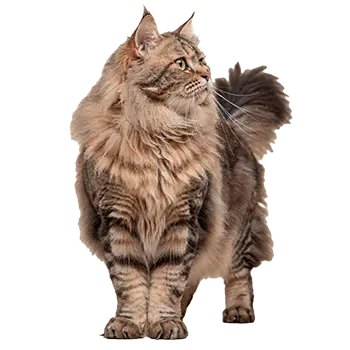

Activity monitors designed for cats have matured considerably in recent years, evolving from simple step counters into comprehensive health-tracking platforms. For Siberians — a breed known for bursts of intense activity followed by long naps — these devices provide valuable baseline data about daily movement patterns, sleep quality, and caloric expenditure. Changes in activity levels are often the earliest indicator that something is medically wrong, appearing days or even weeks before visible symptoms.
Most cat activity monitors attach to the collar and use accelerometer technology to distinguish between different movement types: walking, running, jumping, playing, and resting. The companion smartphone app aggregates this data into daily and weekly summaries, allowing you to spot trends over time. A sudden drop in active minutes, an increase in restless sleep, or a change in the ratio of active-to-sedentary hours warrants attention and potentially a veterinary visit.
Weight monitoring is another important health metric, and several smart scales designed for pets can track your Siberian's weight over time with precision. These scales integrate with apps that chart weight trends and flag significant changes. For a breed that can range from 12 to 20 pounds depending on sex and build, knowing your individual cat's healthy baseline is far more useful than referencing a generic breed chart.
When evaluating activity monitors, consider battery life, water resistance, and the weight of the device itself. A heavy or bulky tracker on a collar can irritate a cat and discourage natural movement — the opposite of what you want. Look for lightweight units under 15 grams that are rated for at least several months of battery life. Rechargeable models reduce ongoing costs but require periodic removal from the collar, which can interrupt data continuity.