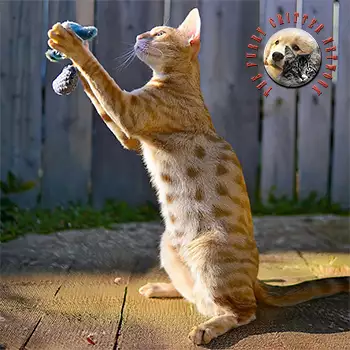

Savannah cats carry a significant amount of wild serval genetics, particularly in the earlier generations such as F1 through F3. This heritage translates directly into dietary requirements that lean heavily toward animal-based protein. Their metabolism is built for processing meat, and they thrive on diets where the primary calorie source comes from high-quality animal proteins rather than plant-based fillers or excessive carbohydrates.
Because of their larger-than-average size and exceptionally high energy levels, Savannahs tend to burn through calories faster than most domestic breeds. An adult Savannah in good health may require noticeably more food per day than a standard house cat of comparable weight. Owners should be prepared to adjust portions upward and monitor body condition regularly to ensure their cat maintains lean muscle mass without becoming overweight.
Taurine is an essential amino acid for all cats, but it deserves special emphasis with Savannahs. A taurine deficiency can lead to serious cardiac and vision problems, and because Savannahs are already predisposed to the athletic demands of their build, ensuring adequate taurine intake through diet is non-negotiable. Look for foods that list taurine supplementation or that derive it naturally from whole-meat ingredients.
Fat content is another important consideration. Savannahs benefit from moderate-to-high fat levels in their diet, as fat provides concentrated energy and supports their coat health. Omega-3 and omega-6 fatty acids from animal sources like fish oil or chicken fat contribute to the sleek, spotted coat that defines the breed. Avoid foods that rely on vegetable oils as the primary fat source, as these are less bioavailable to cats.