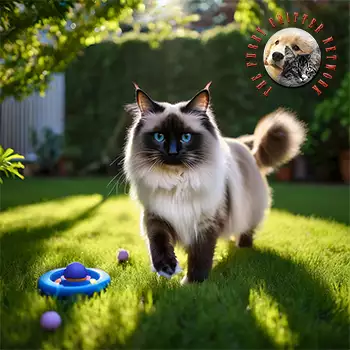

Ragdolls are among the largest domestic cat breeds, and their living environment needs to reflect that. A cramped apartment without vertical space or room to stretch will leave a Ragdoll physically and mentally understimulated, even though the breed is known for its relaxed disposition. At minimum, plan for enough floor space to accommodate a full-sized cat tree, a separate sleeping area, and a litter station positioned away from feeding zones. Ragdolls are not hyperactive climbers like some breeds, but they do appreciate having options for where to rest and observe.
Vertical space is often more valuable than additional floor space for indoor cats. Wall-mounted shelves, perches, and elevated walkways give a Ragdoll vantage points that satisfy natural surveying instincts without consuming living space. Because Ragdolls can weigh up to twenty pounds, any wall-mounted furniture must be anchored into studs or reinforced with appropriate hardware — standard drywall anchors are insufficient for a cat this size landing on a shelf repeatedly.
Room access matters for this breed's social nature. Ragdolls form strong bonds with their owners and prefer to be in the same room as their people throughout the day. Closing off rooms or confining a Ragdoll to a single space for extended periods causes stress and can lead to behavioral issues like excessive vocalization or inappropriate elimination. If certain rooms need to be off-limits, provide enough enrichment and comfort in the accessible areas to compensate.
For multi-level homes, ensure your Ragdoll can safely navigate stairs as it ages. Ragdolls are not the most agile breed, and older or heavier individuals may struggle with steep staircases or tall jumps. Providing intermediate steps or ramps to favorite perches is a proactive investment that pays off as the cat matures.