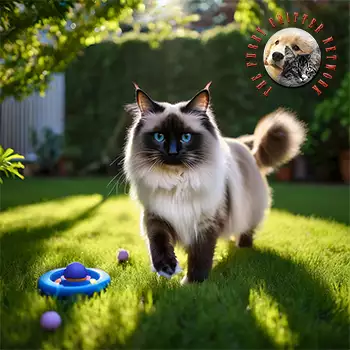

Ragdolls are one of the largest domestic cat breeds, with males regularly reaching fifteen to twenty pounds at maturity. That size means their caloric and protein requirements sit well above those of an average housecat. A diet built around high-quality animal protein supports lean muscle mass, joint integrity, and the slow, steady growth pattern that defines the breed. Because Ragdolls do not fully mature until around four years of age, nutritional planning should account for an extended growth window that most other breeds never experience.
Fat content matters just as much as protein for this breed. Ragdolls carry a semi-long, silky coat that relies on adequate dietary fat — particularly omega-3 and omega-6 fatty acids — to maintain its luster and minimize shedding. A diet too low in fat often shows up first in coat quality, producing a dull, dry texture and increased matting. Look for foods that list a named animal fat or fish oil among the first several ingredients rather than relying on generic fat sources.
Because Ragdolls are an indoor-oriented breed prone to a sedentary lifestyle, weight management is a constant concern. Overfeeding calorie-dense food without enough physical activity leads to obesity, which stresses joints already tasked with supporting a large frame. Balancing caloric intake against activity level is the single most important nutritional decision you will make for this breed.
Ragdolls can also be predisposed to hypertrophic cardiomyopathy, a heart condition where taurine intake plays a supporting role. All commercial cat foods are required to meet minimum taurine levels, but selecting foods with taurine listed as a supplemental ingredient rather than relying solely on naturally occurring amounts provides an extra measure of confidence. Adequate hydration is equally important for urinary tract health, making moisture-rich feeding strategies worth considering alongside dry kibble.