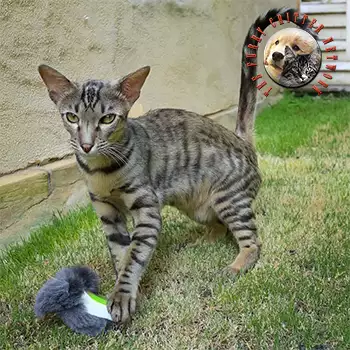

Space Requirements

Oriental Longhairs are among the most active and athletic domestic cat breeds, and their living environment needs to reflect that energy. A small, sparsely furnished apartment will quickly frustrate a cat that thrives on climbing, jumping, and exploring vertical spaces. While they don't require an enormous footprint of floor space, they do need a home that makes effective use of vertical real estate — tall cat trees, wall-mounted shelves, and elevated perches are far more important to this breed than raw square footage.

These cats are also deeply social and do not tolerate isolation well. Their living space should be arranged so they can observe and interact with household activity rather than being confined to a single room. An Oriental Longhair that feels cut off from its family will vocalize loudly and persistently, and prolonged isolation can lead to genuine anxiety and destructive behavior.

Window access is another critical element. Oriental Longhairs are intensely curious and will spend hours watching outdoor activity — birds, squirrels, passing pedestrians, even shifting light patterns. A sturdy window perch or shelf positioned near an active window provides significant mental stimulation at virtually no cost. Ensure the window screen is secure, as these agile cats can push through loose or damaged screens.

For households with multiple cats, each Oriental Longhair should have access to its own resting spots and escape routes. While they are generally sociable with other cats, they also value the ability to retreat to a private space. Territories overlap comfortably when there are enough elevated positions and hiding options to go around.

Cat Trees & Climbing Structures

A high-quality cat tree is arguably the single most important piece of furniture you can buy for an Oriental Longhair. These cats are natural climbers with powerful hind legs and excellent balance, and they instinctively seek out the highest point in any room. Look for cat trees that reach at least five to six feet in height, with multiple platforms staggered at different levels to create an engaging climbing route.

Stability is non-negotiable. Oriental Longhairs launch themselves at cat trees with considerable force, and a wobbly or top-heavy structure is both a safety hazard and a deterrent — cats will stop using furniture they don't trust. Wide, heavy bases and wall-anchoring hardware are worth prioritizing, especially on taller models. Solid wood construction tends to outlast pressed-board alternatives and handles the stress of daily use far better.

Sisal-wrapped posts serve double duty as scratching surfaces and climbing aids. Look for trees that use thick sisal rope rather than thin cord or carpet, which shreds quickly and can snag claws. Some cat trees incorporate natural wood branches or bark-covered posts that offer varied texture and a more organic climbing experience that many Oriental Longhairs prefer.

Wall-mounted shelving systems and cat walkways offer an excellent alternative or complement to freestanding trees. These modular setups can be customized to fit any room layout and allow your cat to traverse the upper perimeter of a room, satisfying their desire to patrol from a height. Ensure shelves are rated for dynamic weight — a cat landing on a shelf exerts significantly more force than its static body weight.

Beds & Sleeping Areas

Despite their high energy levels, Oriental Longhairs are dedicated sleepers who may log 14 to 16 hours of rest per day. Their sleeping preferences tend toward warm, enclosed spaces where they feel secure, though many also enjoy open, elevated beds where they can maintain visual awareness of their surroundings while dozing. Providing a mix of both styles lets your cat self-select based on mood and temperature.

Enclosed beds — hooded designs, cave-style pods, or even simple cardboard boxes lined with soft fabric — appeal to the Oriental Longhair's desire for warmth and security. Their fine, silky coat offers less insulation than denser breeds, so they actively seek out warm spots. Heated cat beds can be particularly beneficial in cooler climates or during winter months, though any heated product should have an automatic shut-off feature and maintain a surface temperature safe for prolonged contact.

Fabric choice matters more than many owners realize. Oriental Longhairs have delicate, low-shedding coats that can pick up lint and fibers from rough or synthetic materials. Smooth, tightly woven fabrics like microfiber or fleece are easier on their coat and simpler to clean. Removable, machine-washable covers are a practical necessity since bedding should be laundered regularly to control dander and prevent odor buildup.

Placement of sleeping areas throughout the home encourages natural movement patterns and gives your cat options. A bed in the main living area, another in a quiet bedroom, and an elevated sleeping platform on a cat tree creates a network of rest stops that aligns with how Oriental Longhairs move through their territory during the day.

Outdoor Enclosures

Outdoor access can significantly enrich the life of an Oriental Longhair, but unsupervised roaming carries serious risks including traffic, predators, disease exposure, and theft. Enclosed outdoor spaces — commonly called catios — offer the best of both worlds by letting your cat experience fresh air, sunlight, and natural stimulation within a secure perimeter.

Catio designs range from small window-box units that attach to an existing window frame to large, walk-in structures that function as outdoor rooms. For an Oriental Longhair, bigger is generally better. These cats want to climb, jump, and explore, so a catio should include vertical elements like shelving, ramps, or natural branches alongside horizontal space. Wire mesh or welded-wire panels with openings no larger than one inch by two inches prevent escape and keep out wildlife.

Roofing is essential regardless of catio size. Oriental Longhairs are agile enough to scale most walls, and an open-topped enclosure is effectively an exercise pen rather than a secure space. Solid roofing panels also provide shade and rain protection, extending the usability of the catio across seasons. In hot climates, shade cloth or a partially open roof design prevents the enclosure from becoming uncomfortably warm.

Access between the indoor living space and the catio should be controlled by a cat door or a window insert that can be locked when needed. Electronic cat doors that respond to a microchip or collar tag prevent other animals from entering while giving your Oriental Longhair freedom to move in and out at will. During extreme weather, it's best to lock the cat door and keep your cat indoors entirely.

Climate Considerations

The Oriental Longhair's coat is fine and silky with minimal undercoat, which makes it beautiful but offers relatively poor insulation. These cats feel temperature changes acutely and tend to seek out the warmest available spot in any room — sunny windowsills, heated blankets, the top of a running dryer, or a human lap. Understanding their thermal preferences is important when setting up their living environment.

In cooler climates, maintaining a consistent indoor temperature above 68°F is ideal. Heated beds, self-warming mats that reflect body heat, and strategically placed blankets in their favorite resting spots help keep an Oriental Longhair comfortable without cranking up the thermostat for the entire house. Avoid placing beds or perches near drafty windows or exterior doors during winter months.

Heat can also be a concern, particularly in regions with hot summers. While cats are generally more heat-tolerant than dogs, Oriental Longhairs can become lethargic and uncomfortable in excessively warm environments. Ensure they always have access to cool, shaded areas and fresh water. Ceramic tile floors, elevated mesh beds that allow air circulation underneath, and cooling mats designed for pets can all help regulate body temperature during heat waves.

Humidity levels affect coat condition and respiratory comfort. Very dry air — common in homes with forced-air heating during winter — can cause static buildup in the coat and contribute to dry skin. A room humidifier set to maintain 40 to 60 percent relative humidity benefits both the cat and the household. Excessively humid environments, on the other hand, can promote bacterial and fungal growth in bedding and should be managed with adequate ventilation.

Multi-Cat Households

Oriental Longhairs are among the more socially inclined cat breeds and generally do well in multi-cat homes, particularly when raised alongside their companions from a young age. However, social tolerance does not eliminate the need for resource planning. Every cat in the household should have access to its own food and water station, litter box, and at least one dedicated resting spot to prevent competition-driven stress.

The standard recommendation of one litter box per cat plus one extra holds true for Oriental Longhairs, but placement matters as much as quantity. Boxes should be distributed across different rooms or levels of the home so that no cat has to pass through another's claimed territory to reach one. Covered boxes can feel trapping to some Oriental Longhairs, so offering a mix of open and hooded options lets each cat choose based on its comfort level.

Vertical territory becomes even more important in multi-cat settings. Cats establish social hierarchies partly through elevation — the cat with access to the highest perch often holds a dominant social position. Providing multiple high-up resting spots reduces conflict by ensuring no single cat can monopolize the best vantage point. Wall shelves installed at varying heights throughout common areas create enough real estate for everyone.

Introducing a new cat to a household with an existing Oriental Longhair requires patience and a gradual approach. Start with complete separation, allowing the cats to become familiar with each other's scent through door gaps and bedding swaps before any visual or physical contact. Oriental Longhairs are vocal about their displeasure, so hissing and yowling during the introduction phase are normal and not necessarily signs of permanent incompatibility. Most successful introductions take two to four weeks of managed, incremental contact.

Always consult a qualified professional before making any health-related decisions. This content is provided for informational reference only and should not replace professional guidance specific to your animal.