
Nutritional Needs

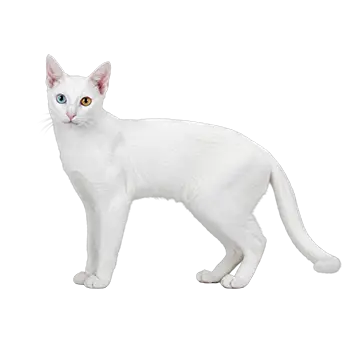
The Khao Manee is an active, muscular cat with a surprisingly athletic build beneath its elegant white coat. This breed requires a protein-rich diet built around high-quality animal proteins such as chicken, turkey, fish, or duck. Because the Khao Manee tends to be energetic and playful well into adulthood, their caloric intake should reflect a moderately active lifestyle without tipping into overfeeding.

As obligate carnivores, Khao Manee cats have minimal need for carbohydrates and thrive on diets that prioritize meat-based protein and moderate fat content. A minimum of 30 percent protein and 15 percent fat is a reasonable baseline for adult cats, though kittens and highly active individuals may benefit from slightly higher ratios. Taurine, an essential amino acid found naturally in animal tissue, is critical for cardiac health and vision — both areas of particular importance for this breed.

The Khao Manee's striking white coat benefits from proper fatty acid intake, particularly omega-3 and omega-6 fatty acids. These nutrients support skin barrier function and help maintain the coat's bright, lustrous appearance. A diet deficient in these essential fats can result in a dull, dry coat and flaky skin, which is especially noticeable on an all-white cat.

What to Look For

When evaluating cat food labels for your Khao Manee, prioritize products that list a named animal protein as the first ingredient. Vague terms like "meat meal" or "animal by-products" without further specification are generally indicators of lower-quality sourcing. Look for clearly identified proteins such as deboned chicken, salmon, or turkey meal, and check that the guaranteed analysis supports a high-protein, moderate-fat profile.

Avoid foods with excessive filler ingredients like corn, wheat, or soy, which contribute calories without meaningful nutrition for cats. Artificial colors, flavors, and chemical preservatives such as BHA, BHT, and ethoxyquin are also best avoided. Natural preservatives like mixed tocopherols and rosemary extract are preferable alternatives that accomplish the same shelf-stability goals.

Pay attention to the calorie density of any food you select. Khao Manee cats are medium-sized but can gain weight if free-fed on calorie-dense kibble. Products that clearly state their caloric content per cup or per can make it much easier to manage portions accurately. Also consider whether the food includes added probiotics or prebiotic fiber, which can support digestive health — a useful feature for cats with sensitive stomachs.

Finally, consider the life stage designation on the packaging. Kittens, adults, and senior cats have different nutritional requirements, and feeding an all-life-stages formula may not be as precisely calibrated as a stage-specific product. For Khao Manee kittens in their rapid growth phase, a kitten-specific formula with higher protein and calorie density is the better choice.

Recommended Dry Food

Dry kibble remains a practical staple for many Khao Manee owners due to its convenience, shelf stability, and dental benefits. When choosing a dry food, look for formulas where the protein content reaches at least 35 percent on a dry-matter basis, with fat content in the 14–20 percent range. The best dry foods for this breed use real meat as the primary ingredient and supplement with organ meats or fish oils for added nutrient density.

Kibble size and texture matter more than many owners realize. Khao Manee cats have medium-sized jaws and tend to eat enthusiastically, so a kibble shape that encourages chewing rather than gulping is beneficial. Some manufacturers produce dental-health-oriented shapes designed to scrape plaque as the cat chews, which can be a useful secondary benefit.

Grain-free formulas have gained popularity, but they are not inherently superior for every cat. Unless your Khao Manee has a diagnosed grain sensitivity, a high-quality formula that includes whole grains like brown rice or oatmeal can provide beneficial fiber and B vitamins. The key is overall ingredient quality rather than the mere presence or absence of grains.

Store dry food in an airtight container away from heat and light to preserve freshness and prevent fat oxidation. Once a bag is opened, its nutritional quality begins to degrade, so purchasing appropriately sized bags that your cat will consume within four to six weeks is a practical habit.

Wet & Fresh Options

Wet food is an excellent addition to any Khao Manee's diet, offering superior moisture content that supports kidney and urinary tract health. Cats are naturally low-thirst-drive animals, and incorporating wet food helps ensure adequate hydration — a factor that becomes increasingly important as cats age. Look for pâtés, shreds, or chunks in gravy that list a named protein source as the first ingredient.

Fresh and refrigerated cat foods have emerged as a premium category that bridges the gap between traditional canned food and raw diets. These products are typically gently cooked, minimally processed, and made with human-grade ingredients. While they carry a higher price point, they can be especially beneficial for Khao Manee cats with food sensitivities or those who are picky eaters.

When mixing wet and dry food, be mindful of total caloric intake. A common approach is to offer wet food as a meal topper or as one dedicated meal per day, with dry kibble available for the other feeding. This combination provides the hydration benefits of wet food alongside the convenience and dental benefits of kibble.

Always check expiration dates and refrigerate opened cans or pouches promptly. Wet food left at room temperature for more than two hours should be discarded to prevent bacterial growth. If your Khao Manee tends to eat slowly, consider serving smaller portions more frequently rather than one large serving.

Treats & Supplements

Treats should comprise no more than ten percent of your Khao Manee's daily caloric intake. Within that guideline, treats serve as valuable tools for training, bonding, and enrichment. Freeze-dried single-protein treats — such as pure chicken, salmon, or shrimp — are among the healthiest options available, offering high palatability without unnecessary fillers or additives.

For Khao Manee cats with their bright white coats, supplements containing omega-3 fatty acids from fish oil or krill oil can support skin health and coat shine. These supplements are available as liquid pump bottles that can be added to food or as soft chew treats. If supplementing with fish oil, choose products specifically formulated for cats, as dosing requirements differ significantly from human or canine supplements.

Joint supplements containing glucosamine and chondroitin may be worth considering for aging Khao Manee cats, particularly those who remain highly active. Probiotic supplements can also support digestive health, especially during dietary transitions or after antibiotic courses. Always consult with your veterinarian before adding any supplement to your cat's regimen to ensure it is appropriate and will not interact with existing medications.

Avoid treats that contain artificial flavors, excessive salt, or added sugars. Dental treats designed to reduce tartar buildup can serve a dual purpose, though they should not replace regular veterinary dental care. When introducing any new treat, do so gradually and monitor for any signs of digestive upset or allergic reaction.

Foods to Avoid

Several common human foods are toxic to cats and must be kept well out of reach of your Khao Manee. Onions, garlic, chives, and leeks — whether raw, cooked, or powdered — can cause oxidative damage to red blood cells, leading to anemia. Grapes, raisins, and currants are also dangerous, with the potential to cause acute kidney failure even in small amounts.

Chocolate contains theobromine and caffeine, both of which are toxic to cats. Dark chocolate and baking chocolate pose the greatest risk, but all forms should be avoided entirely. Similarly, xylitol — an artificial sweetener found in sugar-free gum, candy, and some baked goods — is extremely dangerous for cats and can cause rapid insulin release and liver failure.

Raw eggs, raw fish, and raw meat carry a risk of bacterial contamination from salmonella or E. coli, and raw egg whites contain avidin, which interferes with biotin absorption. While some owners pursue raw feeding protocols, these require careful handling, sourcing, and nutritional balancing that goes well beyond simply offering raw meat from the grocery store.

Dairy products are another common pitfall. Despite the popular image of cats lapping up milk, most adult cats are lactose intolerant and will experience digestive distress from milk, cream, or cheese. Small amounts of plain yogurt or hard cheese may be tolerated by some individuals, but dairy should never be a dietary staple. Alcohol, caffeine, and any food containing bones that could splinter should also be strictly avoided.

Feeding Schedule

Establishing a consistent feeding schedule helps regulate your Khao Manee's metabolism, supports healthy digestion, and makes it easier to monitor appetite changes that might signal health issues. Most adult Khao Manee cats do well on two measured meals per day — one in the morning and one in the evening — rather than free-feeding from an always-full bowl.

Kittens under six months of age require more frequent feeding, typically three to four small meals per day, to support their rapid growth and high energy expenditure. Between six months and one year, you can gradually transition to three meals daily, eventually settling into the twice-daily adult schedule. Senior cats may benefit from a return to smaller, more frequent meals if they experience decreased appetite or digestive sensitivity.

Portion sizes should be calculated based on your cat's ideal body weight, activity level, and the caloric density of the specific food you are using. Most cat food packaging provides feeding guidelines, but these are general starting points — individual cats may need more or less depending on their metabolism. Regularly monitoring your Khao Manee's body condition score is a more reliable approach than relying solely on weight charts.

If you use a combination of wet and dry food, establish a predictable pattern. For example, wet food in the morning and dry food in the evening, or vice versa. Consistency helps your cat anticipate meals and reduces the likelihood of begging behavior. Always ensure fresh, clean water is available at all times, ideally from a source separate from the food station, as many cats prefer to drink away from where they eat.

Always consult a qualified professional before making any health-related decisions. This content is provided for informational reference only and should not replace professional guidance specific to your animal.